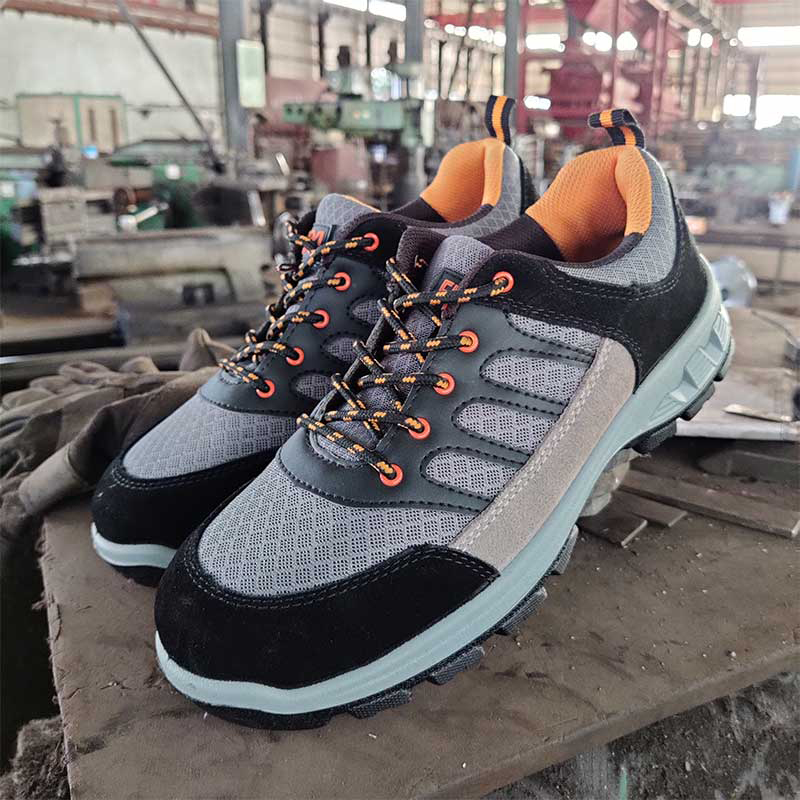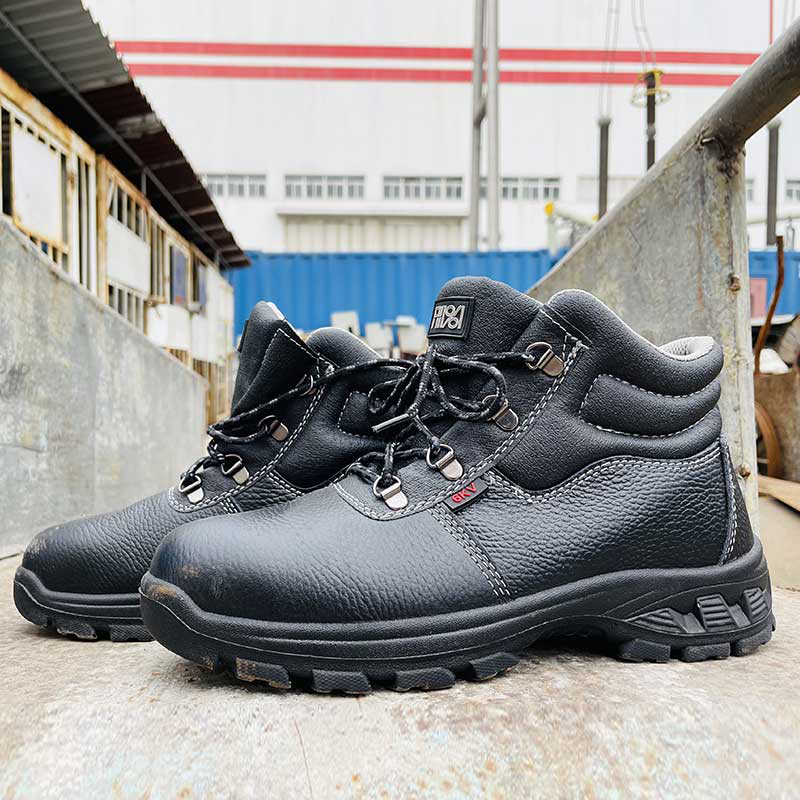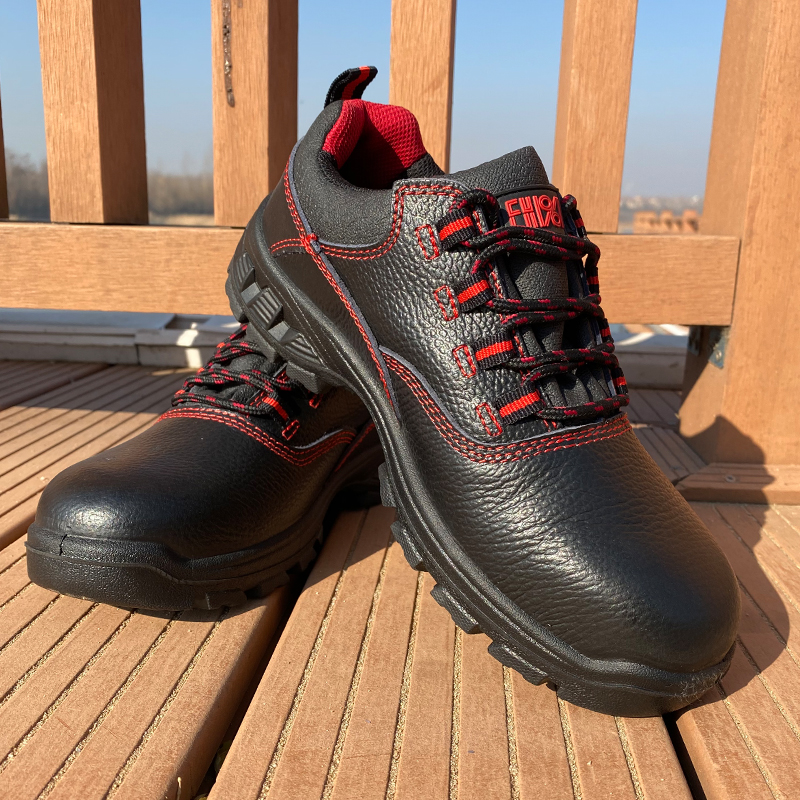
Welding is tough, hot, and full of flying sparks, molten metal, heavy tools, and live electricity. Your feet take a beating every shift, so the right safety shoes (or welding boots, as most welders call them) aren’t just a nice-to-have—they’re essential protection that can prevent serious burns, crushed toes, punctures, or electric shocks. Choosing the right pair can mean the difference between finishing the day strong and dealing with a painful injury. Here’s a straightforward, no-fluff guide to picking the best safety footwear for American welders, based on real job-site hazards and OSHA requirements.
Why Foot Protection Matters for Welders
Welders face unique foot hazards that regular work shoes simply can’t handle. Sparks and molten metal splashes can ignite or melt ordinary rubber soles. Dropped rods, tools, or steel pieces can crush toes. Hot surfaces, oily shop floors, and electrical currents add even more risk. OSHA recognizes these dangers and requires protective footwear whenever there’s a chance of falling or rolling objects, punctures, or electrical hazards.
Without the right boots, you’re risking burns, fractures, or worse. The good news? Modern welding safety shoes are built specifically to handle this environment while still feeling comfortable enough for 10-12 hour days.
Understand the Standards First
In the U.S., safety footwear must meet consensus standards that OSHA accepts. The current go-to is ASTM F2413 (look for the latest version, like ASTM F2413-18 or F2413-24 printed inside the tongue or on the label). This standard covers:
- I/75: Impact resistance (can handle a 75-foot-pound strike to the toe)
- C/75: Compression resistance (2,500 pounds of steady pressure)
- EH: Electrical hazard protection (insulates against up to 18,000 volts)
- PR: Puncture resistance (steel or composite plate in the sole)
- Mt/75: Metatarsal guard (extra protection over the top of the foot)
Many welding boots also carry slip-resistant and oil-resistant ratings. European standards like EN ISO 20345 don’t replace ASTM for U.S. jobs—stick with ASTM-compliant boots to stay OSHA-friendly.
Key Features Every Welder Should Look For
Not all safety shoes are created equal. Here’s exactly what to check for when shopping:
- Toe Protection Go with a steel toe or composite toe (composite is lighter and doesn’t get as hot or cold). Round toes are better than moc-toe styles because sparks roll off more easily.
- Metatarsal Guard (Mt) Highly recommended for welders. These built-in or external guards protect the top of your foot from impacts and flying sparks. External guards are great if your shop requires them.
- Heat and Spark Resistance Full-grain leather uppers that won’t burn or melt easily. Outsoles should handle at least 572°F (300°C) without degrading. Avoid regular rubber soles—they can melt from sparks or hot metal.
- Electrical Hazard (EH) Rating Non-negotiable if you’re around any electrical current. These boots insulate your feet and reduce shock risk.
- Puncture-Resistant Sole (PR) A steel or Kevlar plate stops nails, scrap metal, or sharp debris from going through the bottom.
- Slip- and Oil-Resistant Outsole Look for deep, aggressive treads designed for greasy concrete or metal floors. Many also add waterproofing and chemical resistance.
- Comfort and Construction Cushioned insoles, good arch support, and breathable linings (or moisture-wicking for hot shops). Goodyear welt construction is a big plus—it’s super durable and can be resoled when the bottom wears out.
Height-wise, 6-inch or taller boots give better ankle support and spark protection. Pull-on styles or lace-up with protective lace covers keep sparks away from ties.
Step-by-Step Guide to Choosing Your Pair
Follow this process and you’ll get it right the first time:
- Do a quick hazard assessment Walk your shop or job site. Are you dealing mostly with sparks and heat? Heavy falling objects? Electricity? Oily floors? Match the boot features to your biggest risks.
- Check the label Inside the tongue or on the box, confirm “ASTM F2413” plus the codes you need (I/75, C/75, EH, PR, Mt). No label? Skip it.
- Decide on toe material Steel toe = cheaper and tougher but heavier. Composite toe = lighter, better temperature insulation, and often more comfortable all day.
- Try them on (in real work socks) Shop at the end of the day when your feet are swollen. Walk around the store for 10 minutes. Good boots should feel supportive right away, even if they need a short break-in period.
- Balance comfort, durability, and budget Expect to spend $150–$300 for a quality pair that lasts 1–2 years. Cheap boots usually fall apart fast and cost more in the long run. Look for brands known for welding (many offer composite toes, EH ratings, and heat-resistant soles).
- Test for your specific needs If your shop is extra hot, prioritize breathability. If you’re outside in wet conditions, go waterproof.
Pro Tips from Experienced Welders
- Add leg guards or chaps for extra spark protection on your lower legs.
- Clean boots regularly—wipe off slag and oil so leather stays supple.
- Replace them when the sole wears down, the toe cap loosens, or you notice cracks.
- Many welders prefer pull-on boots for quick on/off and fewer places for sparks to hide.
- Comfort is king. If your feet hurt, you’ll be tempted to skip PPE—don’t let that happen.
Final Thoughts
Choosing the right safety shoes isn’t complicated once you know what to look for: ASTM F2413 compliance, EH rating, heat-resistant leather, and solid comfort features. Invest in a quality pair, and they’ll keep your feet safe, dry, and comfortable through thousands of welds. Your back, knees, and productivity will thank you too.
Take the time to get fitted properly, match the boot to your shop’s hazards, and you’ll have one less thing to worry about on the job. Stay safe out there—and keep those sparks off your feet!
Ready to upgrade your boots? Head to your local safety supplier or trusted online retailer and start with the features above. Your feet do more work than you realize—treat them right.