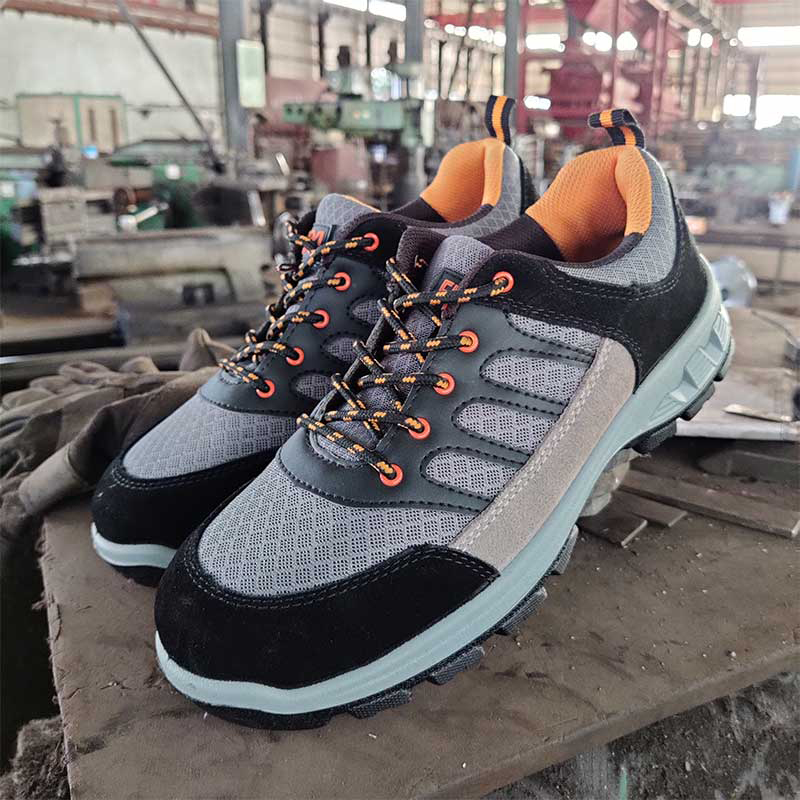
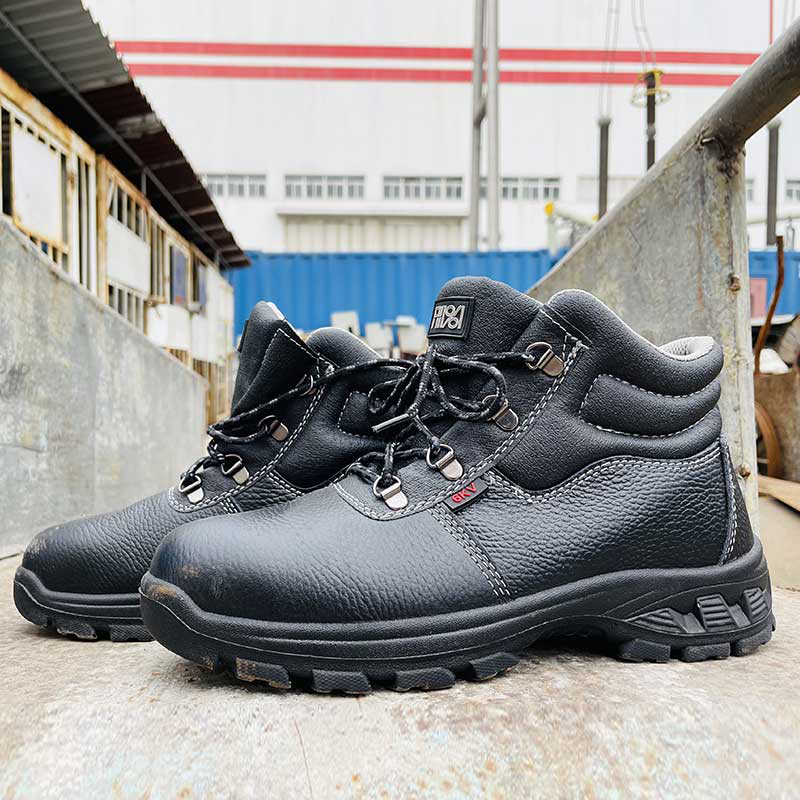
Safety shoes do more than protect your feet from falling objects. In many workplaces, they also help control static electricity. That is why anti-static safety shoes are important.
If you work in electronics, assembly, warehouses, or factories, the right shoes can help protect both workers and equipment. But not every pair is the same. To choose the right anti-static safety shoes, you need to understand your work environment and your real safety needs.
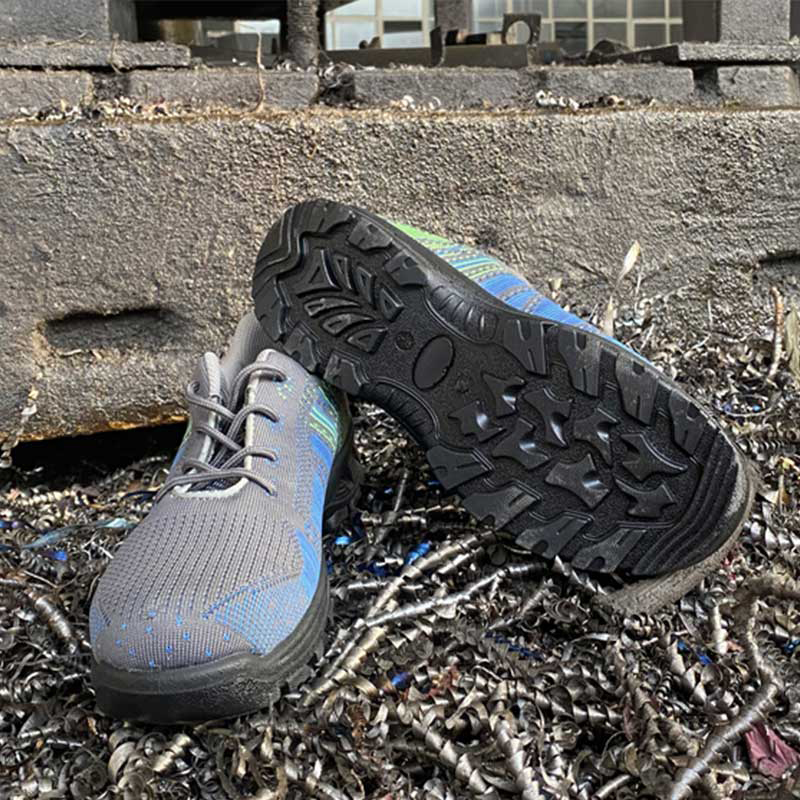
anti-static-safety-shoes
Anti-static safety shoes help reduce static electricity on the body. They allow static charges to move away in a controlled way.
This matters in workplaces with sensitive electronic parts. Too much static can damage equipment or products. In some environments, static can also create safety risks.
In simple words, anti-static shoes help lower static buildup while still giving you normal foot protection.
Static electricity may seem small, but it can cause real problems.
For example, in electronics factories, a small static discharge can damage parts without leaving a visible mark. In industrial environments, static may also increase risk around certain materials or work processes.
That is why many companies require anti-static footwear for specific jobs.
One common mistake is thinking all safety shoes are the same. They are not.
There are different types of protective footwear:
Anti-static or static dissipative shoes
These are commonly used in electronics, factories, and assembly areas. They help reduce static buildup.
Conductive shoes
These are used in more special environments where static must move away even faster. They are not needed for every workplace.
Electric hazard shoes
These are made for a different purpose. They help reduce the risk of shock from certain electrical hazards. They are not the same as anti-static shoes.
So before you buy, make sure you know what your workplace actually requires.
The first question is simple:
Where will the shoes be used?
If you work in electronics manufacturing or an ESD-sensitive area, anti-static performance is very important.
If you work in a warehouse or factory, you may also need other features like toe protection, slip resistance, or puncture resistance.
If you work around electrical hazards, anti-static shoes may not be the right choice. In that case, your employer may require electric hazard footwear instead.
The best shoe is the one that matches the real risks of the job.
When choosing anti-static safety shoes, do not look at static control only. Also check the basic protection features.
Important features may include:
A good pair should protect you from more than one risk.
A lot of buyers focus only on safety features. But comfort matters too.
If the shoes are too heavy, too hard, or too tight, workers will not want to wear them all day. That leads to fatigue and discomfort.
Good anti-static safety shoes should feel comfortable during long shifts. Look for:
A comfortable shoe is more likely to be worn correctly every day.
The outsole plays a big role in both comfort and performance.
A good outsole should provide stable grip and long-lasting wear. In many workplaces, slip resistance is just as important as anti-static performance.
If the floor is smooth, dusty, or sometimes wet, choose a sole with good traction.
Cheap shoes may save money at first, but they often wear out faster or feel uncomfortable after long use.
Low-cost shoes may also fail to provide the right level of protection for the job.
A better approach is to look at value:
In many cases, a better shoe saves money over time.
Here are some common mistakes buyers make:
1. Confusing anti-static shoes with electric hazard shoes
They are not the same.
2. Ignoring the work environment
Different jobs need different shoe features.
3. Focusing only on static control
You may also need toe protection, slip resistance, or puncture resistance.
4. Choosing poor comfort
If the shoes are uncomfortable, workers may not wear them properly.
5. Buying the cheapest option
Lower price does not always mean better value.
To make the right choice, follow these steps:
First, identify your workplace risks.
Second, confirm whether you need anti-static footwear or another type.
Third, check the protection features.
Fourth, make sure the shoes are comfortable for daily wear.
Fifth, choose a reliable product that balances safety, comfort, and durability.
That is the simplest way to make a smart buying decision.
Choosing anti-static safety shoes is not complicated when you focus on the basics.
Start with your work environment. Understand the risks. Make sure the shoes provide the right protection. Then check comfort, durability, and fit.
The best anti-static safety shoes are not just safe. They are also practical, comfortable, and suitable for everyday work.
If you choose carefully, you can protect both workers and the workplace more effectively.