Use Case
Winter Steel Toe Shoes for Cool Dry Workshops
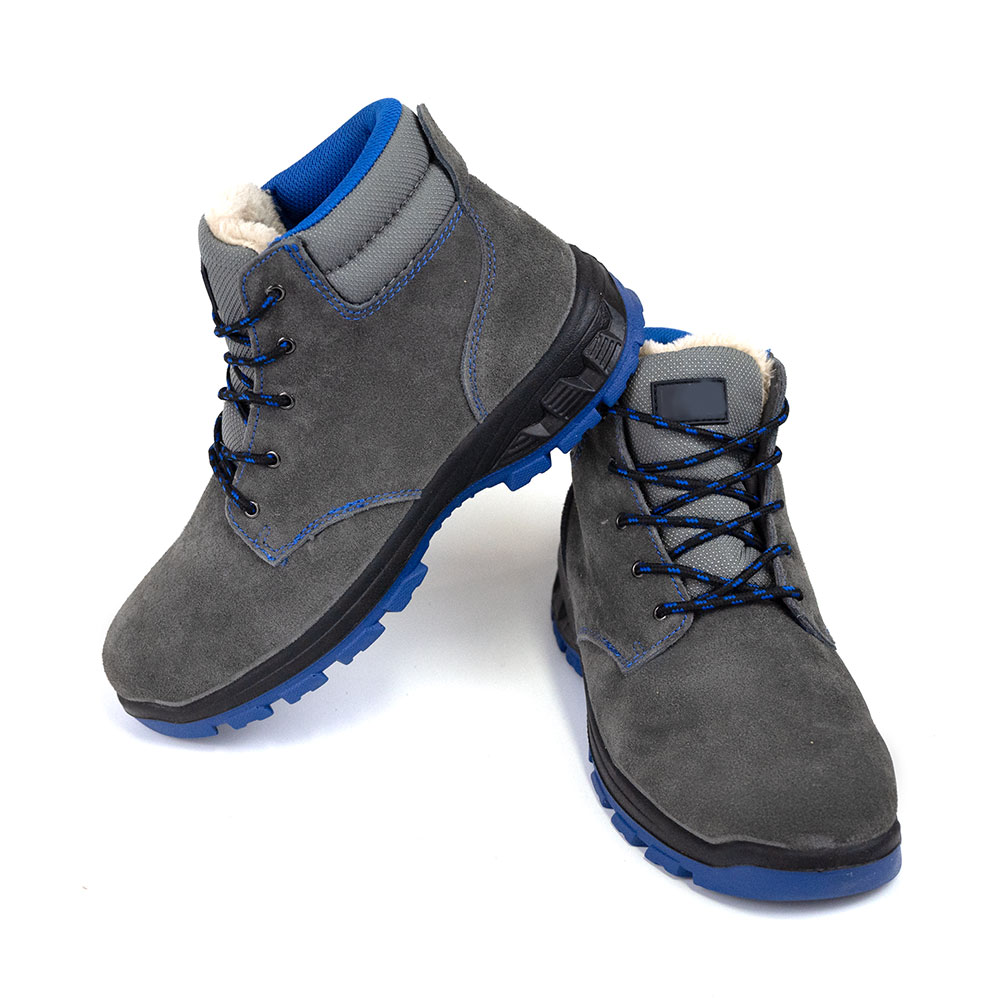
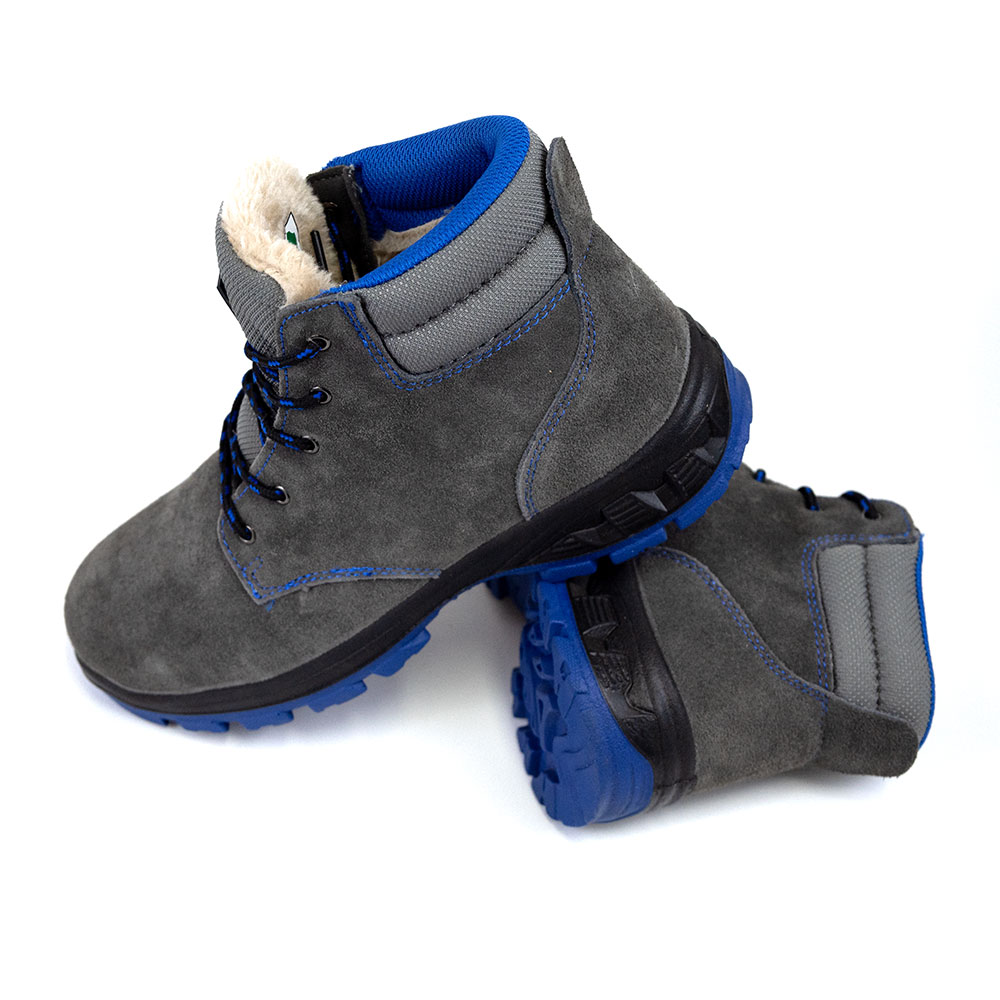
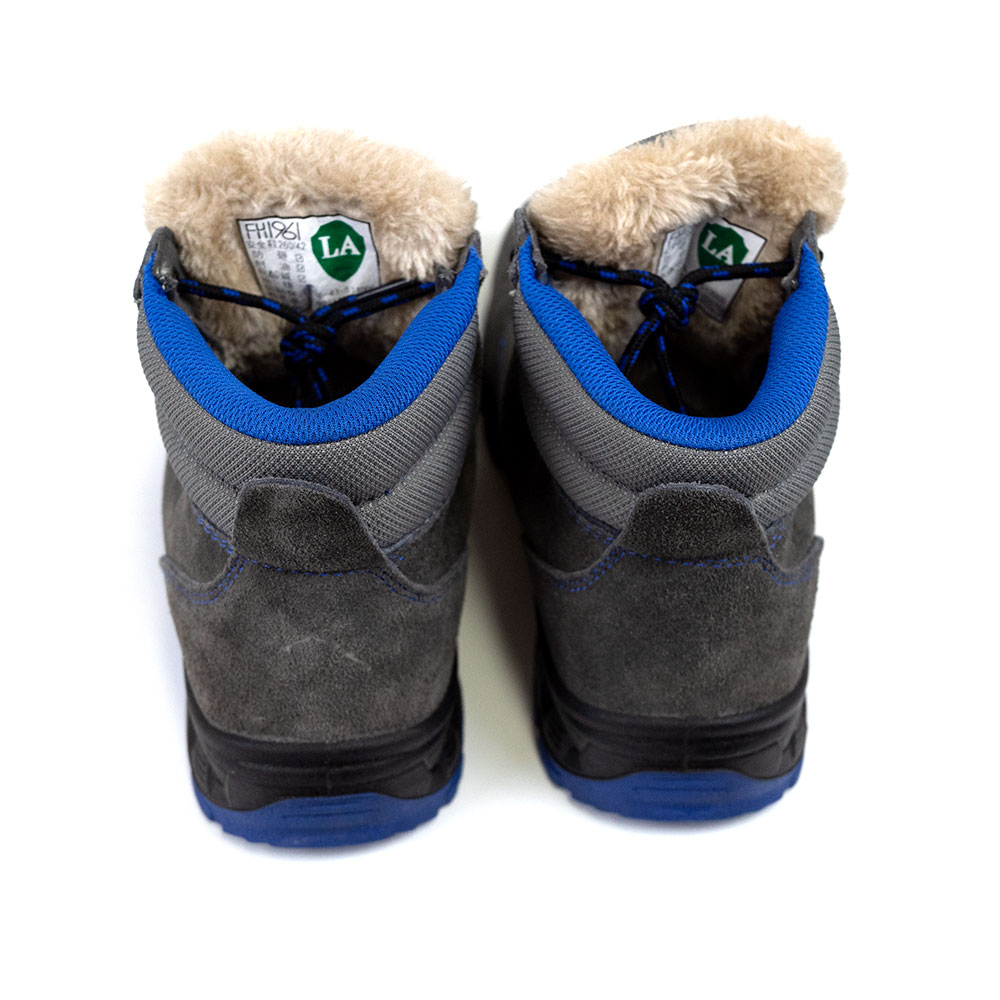
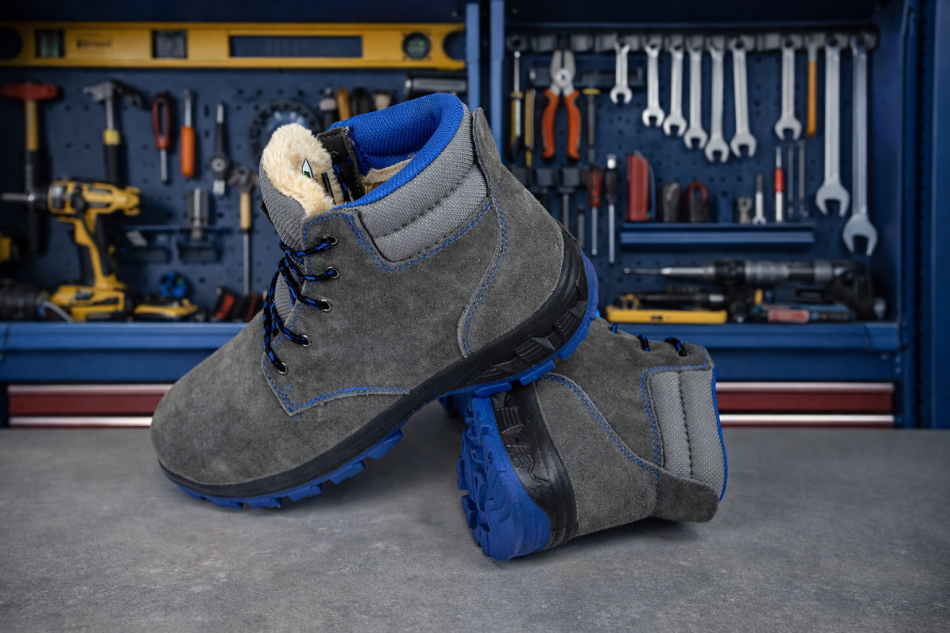
AC16-0103FM is a cotton-lined grey suede option for buyers who need warmer safety footwear for cool indoor work rather than heavy outdoor boots.

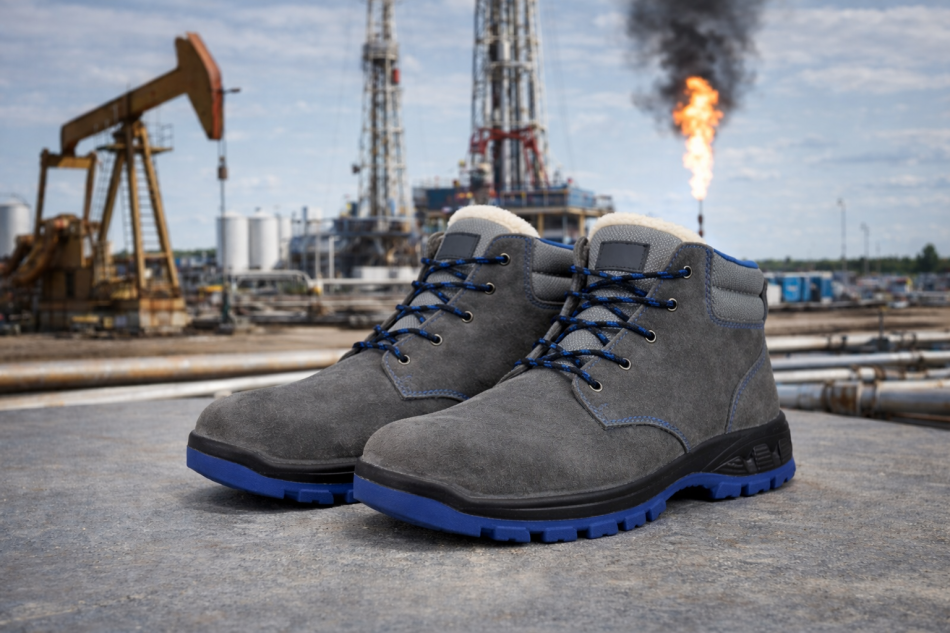
Winter footwear is often over-specified. A factory may have cold aisles, unheated storage rooms or drafty loading doors, but workers may not be standing in snow or water. In that case, a heavy boot can reduce flexibility and feel unnecessary. A cotton-lined low-cut safety shoe gives buyers a seasonal option that stays closer to normal factory footwear.
The AC16-0103FM combines grey suede, a warmer lining and protective safety-shoe construction. It is useful for dry winter workshops, cool warehouse picking, seasonal packing areas and support departments where workers need warmth, toe protection and walking comfort during colder months.
Good SEO content should help the buyer separate temperature from moisture. If the site is cold and dry, cotton lining can support comfort. If the site is cold and wet, waterproofing and outsole selection become bigger questions. This page gives that decision framework rather than pretending one shoe solves every winter hazard.
Buyer Guide
Seasonal Safety Footwear Decision Points
Cold route mapping
Ask where workers actually feel cold: storage aisles, loading doors, inspection stations or outdoor transfer routes. The answer decides whether a low-cut warm shoe is enough.
Sock and toe room
Workers often add thicker socks in winter. Buyers should check toe room with actual socks so the protective cap does not feel tight.
Material and construction logic
The grey suede upper gives a dry-work appearance that pairs well with uniform programs. Cotton lining adds warmth without the visual weight of a tall boot.
The PU/PU outsole remains important because winter comfort is not only about insulation. Workers still walk on hard floors, and cushioning can reduce fatigue during seasonal shifts.
The best purchasing brief should record indoor temperature, floor moisture, sock thickness, shift length and whether workers step outside. These details prevent a warm shoe from being sold into the wrong environment.
Before confirming a winter order, review the testing and quality control lab and compare comfort positioning in the ergonomic safety footwear category.
Specification
Winter Low-Cut Shoe Checklist
Sample Testing and Repeat Order Checks
Sample testing should happen in the season or environment where the shoe will be used. A warm shoe tested in a heated office may feel different in a cool warehouse.
Ask workers to test stairs, cart pushing and turning. Cold conditions can change walking confidence, especially when floors also have dust or light moisture.
For repeat orders, split feedback by department. A loading team near open doors may need warmer footwear than an assembly team in the same building. This helps the distributor sell winter footwear as a targeted solution instead of a broad seasonal guess and keeps inventory from being pushed into departments that do not need extra lining. If the product will be sold through distributors, label the seasonal use clearly in the catalog. Phrases such as cool dry warehouse, winter workshop and cotton-lined steel toe shoe help buyers understand the correct environment. This avoids overselling the model as a snow boot and keeps the page aligned with real worker protection needs. Ask the buyer to separate workers by exposure: those near doors, those inside insulated rooms, and those moving between areas. Each group may need a different lining decision. This level of detail helps the page answer real search intent instead of sounding like a generic winter footwear advertisement.
FAQ
FAQ for Winter Steel Toe Shoes Buyers
Is this a waterproof winter boot?
No. It is a cotton-lined low-cut safety shoe for cool dry work areas. Wet outdoor work should be reviewed separately.
Why use cotton lining?
Cotton lining gives a warmer feel for cool indoor shifts while keeping the product closer to normal work-shoe flexibility.
What should buyers confirm?
Confirm temperature, moisture, sock thickness and whether workers step outdoors before placing bulk orders.