Use Case
Warm Nubuck Safety Shoes for Cool Dry Work
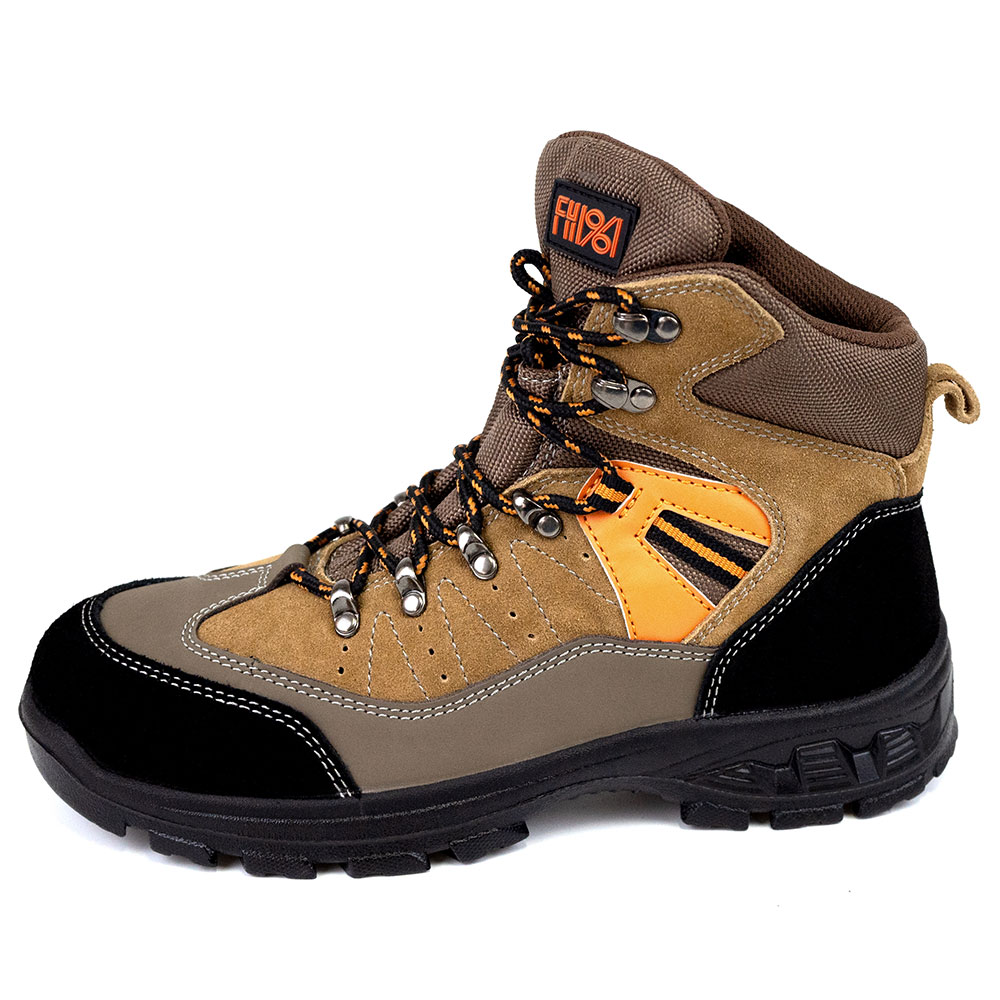
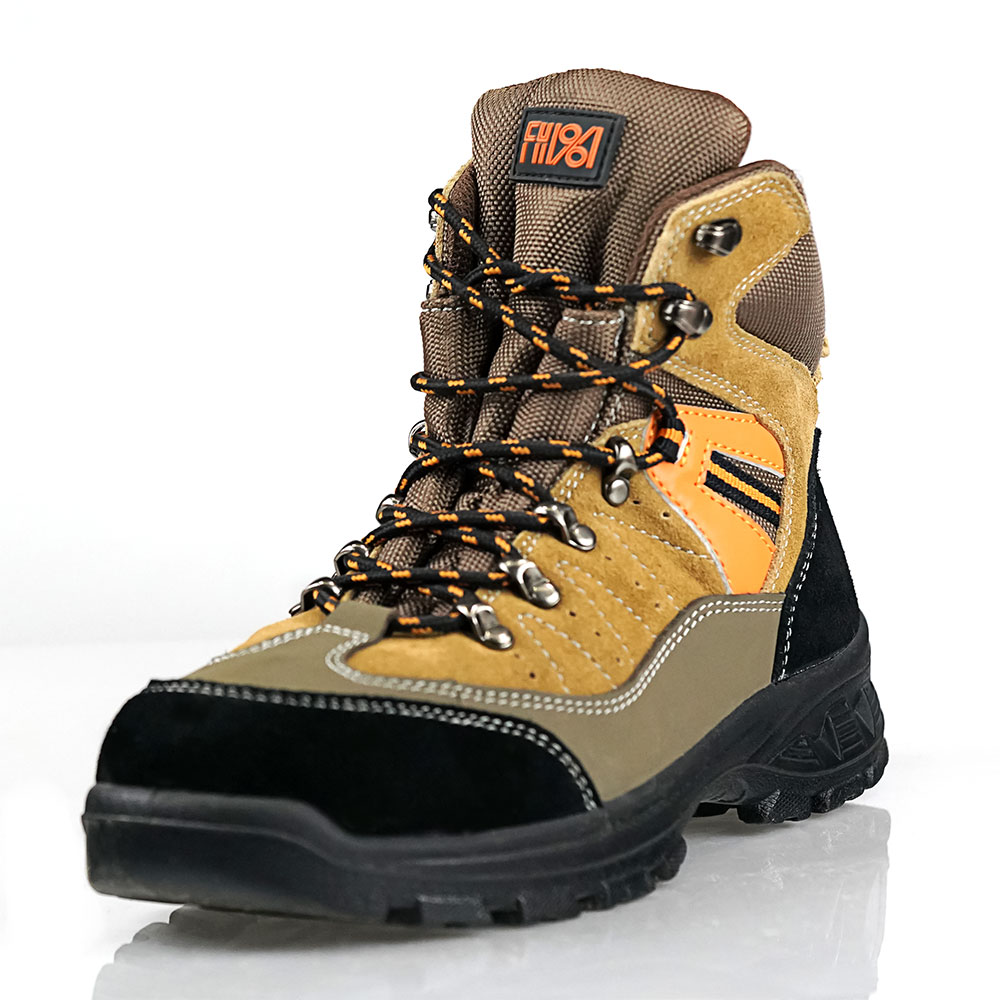
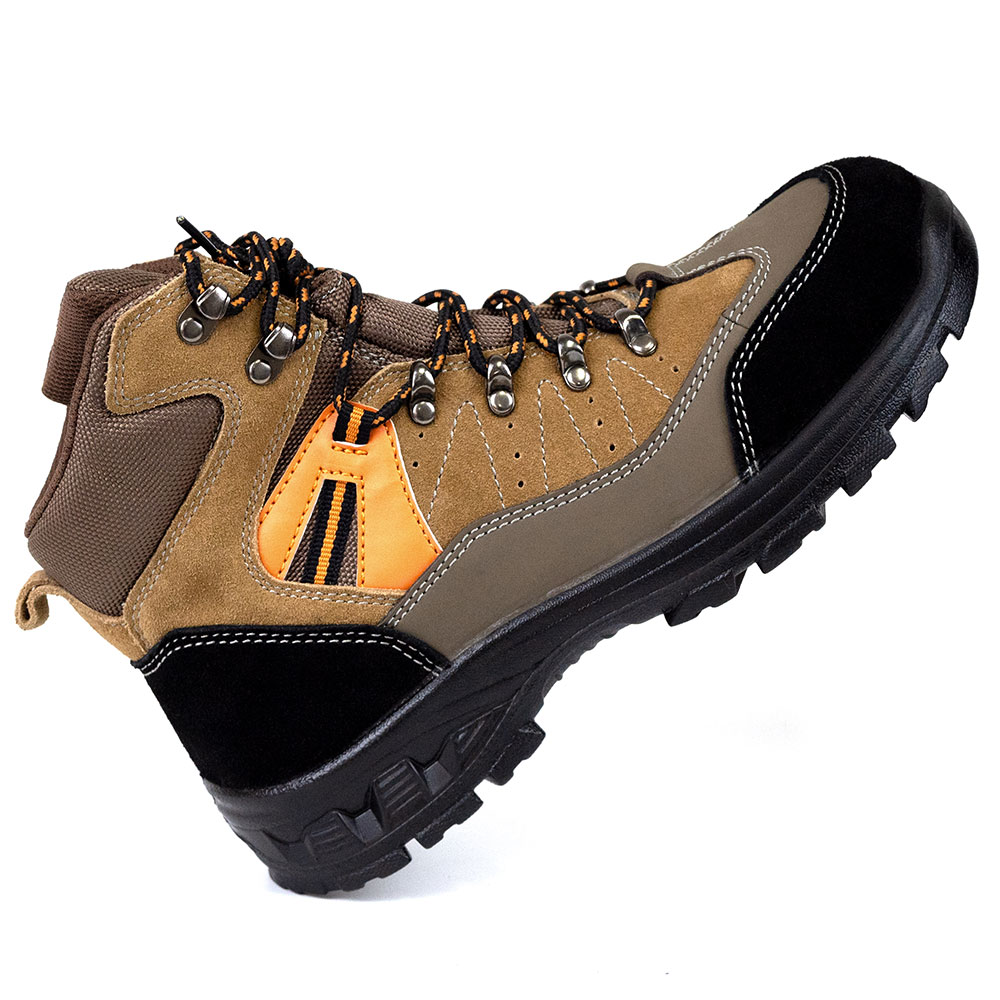
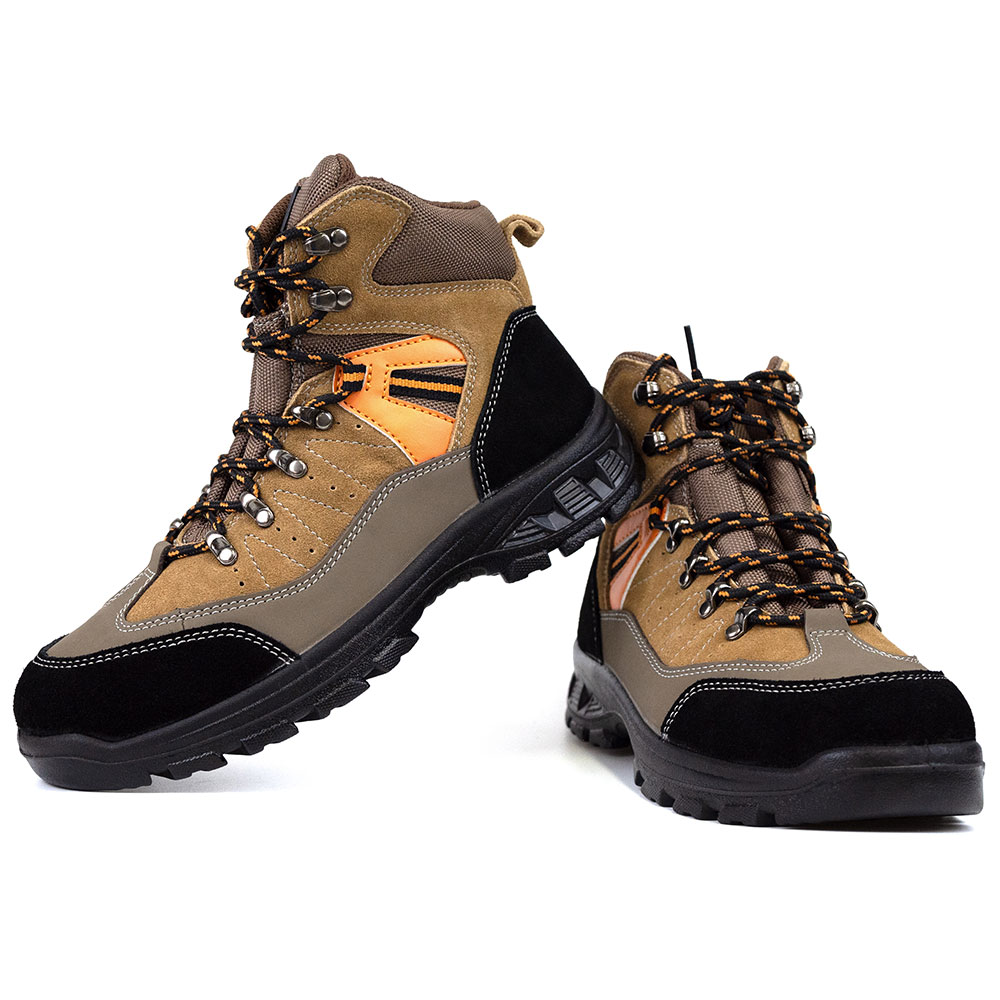
AC16-0320 blends nubuck and suede with a warm plush lining for buyers who need a rugged seasonal safety shoe without moving to a full boot.
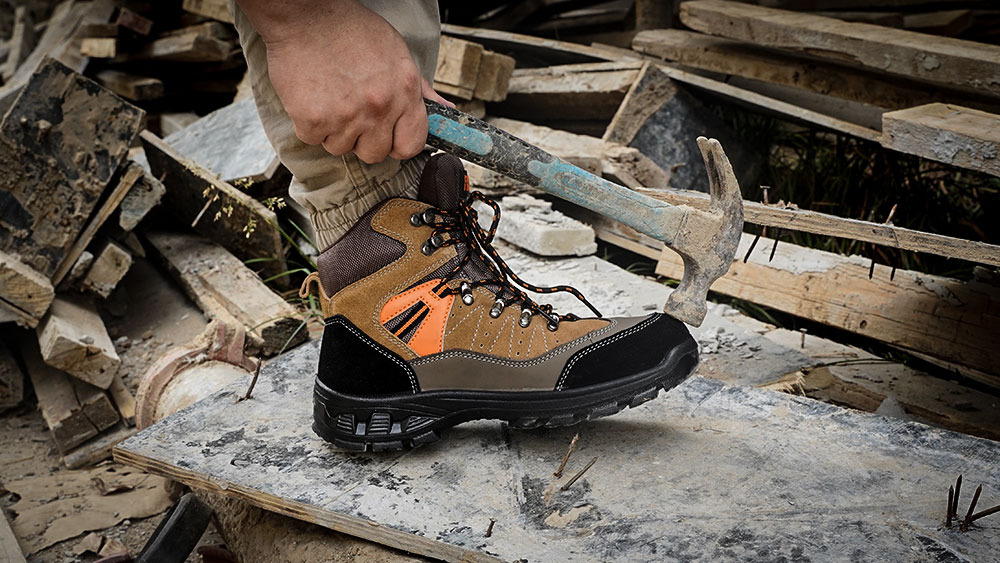
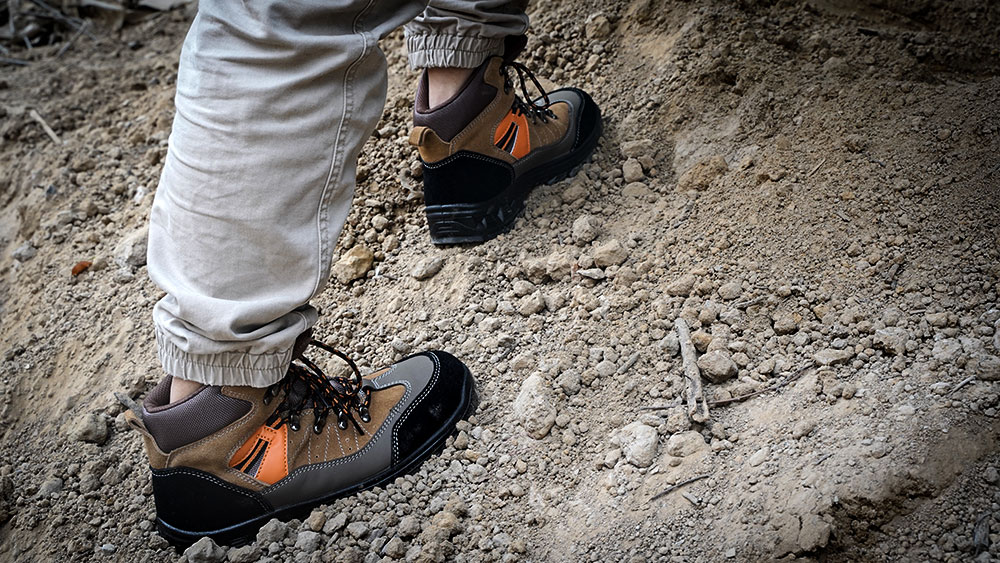
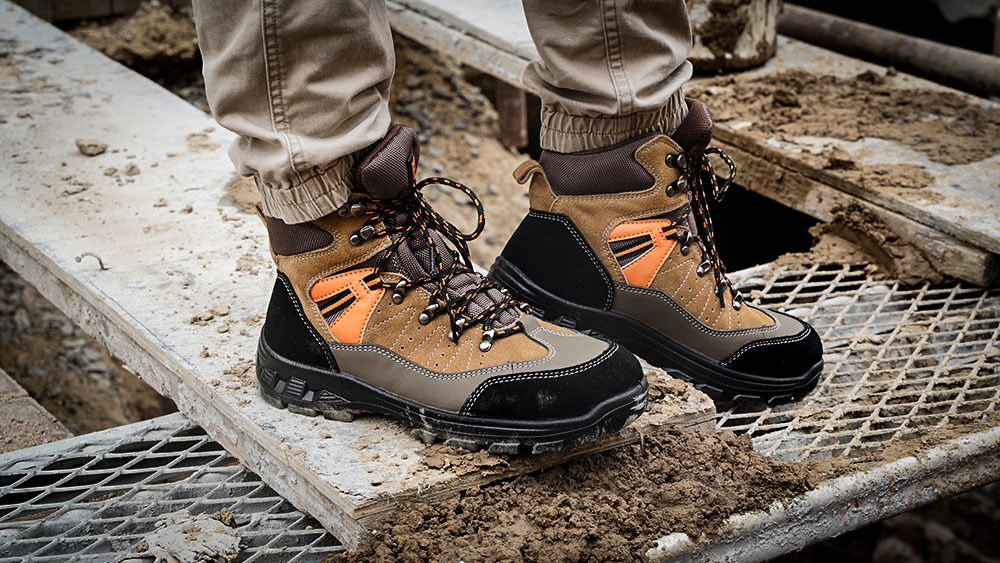
Nubuck is valuable when a buyer wants a rugged, matte upper story that looks different from smooth leather and standard suede. In safety footwear catalogs, that visual difference can make a model easier to remember. For cool dry sites, the warm lining adds a second reason to choose the product beyond appearance.
The AC16-0320 is suited to dry warehouses, cool workshops, stock handling, light construction interiors and teams that need a stronger outdoor-inspired look while still working mostly on controlled floors. The key is to position the product around rugged appearance, warmth and practical toe protection, not as an all-weather boot.
A useful buyer review should warn buyers to match upper material to the environment. Nubuck can be attractive and durable for dry work, but continuous wet floors, heavy oil or chemical splash require a different specification discussion. Honest matching prevents returns and builds trust with distributors.
Buyer Guide
Nubuck Safety Shoe Selection Guide
Visual identity
Nubuck gives a private-label line a textured, rugged option that can sit between smooth leather and casual suede styles.
Seasonal comfort
A plush lining supports cool-weather comfort when the site is dry but uncomfortable during winter or early morning shifts.
Material and construction logic
The mixed nubuck and suede upper creates a recognizable surface for catalog photography and shelf display. It gives sales teams a clearer story than another plain black shoe.
The PU/PU sole supports cushioned daily movement. For cool workshops, the outsole still has to handle concrete walking, pallet movement and long standing.
Ask the buyer whether warmth, appearance or hazard resistance is the primary reason for selection. If warmth is the main issue, confirm sock thickness and temperature. If appearance is the issue, confirm color and upper texture across samples.
For related visual product comparison, see Anchen nubuck leather safety shoes and confirm production capability through factory view and manufacturing facilities.
Specification
Warm Nubuck Order Checklist
Sample Testing and Repeat Order Checks
Samples should be photographed under catalog lighting and tested in the actual work area. Nubuck can appear different under warehouse lights, so visual approval matters.
Workers should test the model during the colder part of the shift if possible. Warmth and toe-room feedback are most useful when collected in real conditions.
For distributors, keep a retained sample of the approved nubuck texture. A small difference in nap or shade can change the product story in a catalog. Department feedback should also note whether workers valued warmth, appearance or underfoot comfort most, because that answer guides future repeat order quantity and adjacent product development. The same model can also support a merchandising gap. Many catalogs show either black leather shoes or outdoor boots, leaving few warm textured options for dry industrial buyers. A nubuck page should explain that gap clearly so searchers understand why the product exists and when it should be selected. Buyers should also compare nubuck with smooth leather and standard suede during catalog planning. Nubuck is useful when the brand wants a rugged surface, but the team still needs a dry-work shoe with lighter movement than a high boot. Explaining that choice helps searchers understand the product role before they request a quote.
FAQ
FAQ for Warm Nubuck Safety Shoes Buyers
Is nubuck the same as smooth leather?
No. Nubuck has a matte textured surface that gives a more rugged visual identity for dry industrial use.
Is this shoe for wet chemical work?
No. It is best for cool dry work areas. Heavy liquid exposure needs another material and outsole discussion.
Why include a warm lining?
The lining helps buyers serve cool workshops and dry winter warehouses without using a tall boot.