Use Case
Suede Steel Toe Shoes for Dusty Dry Workshops
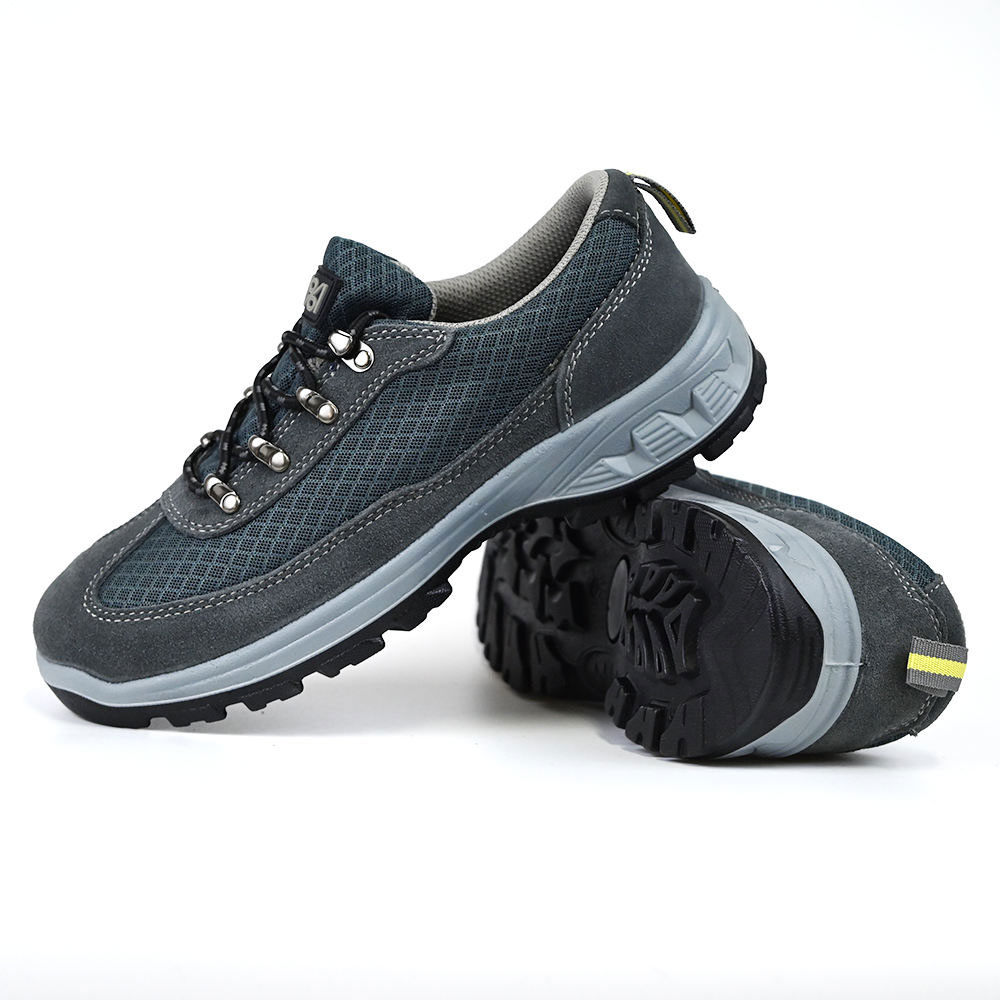
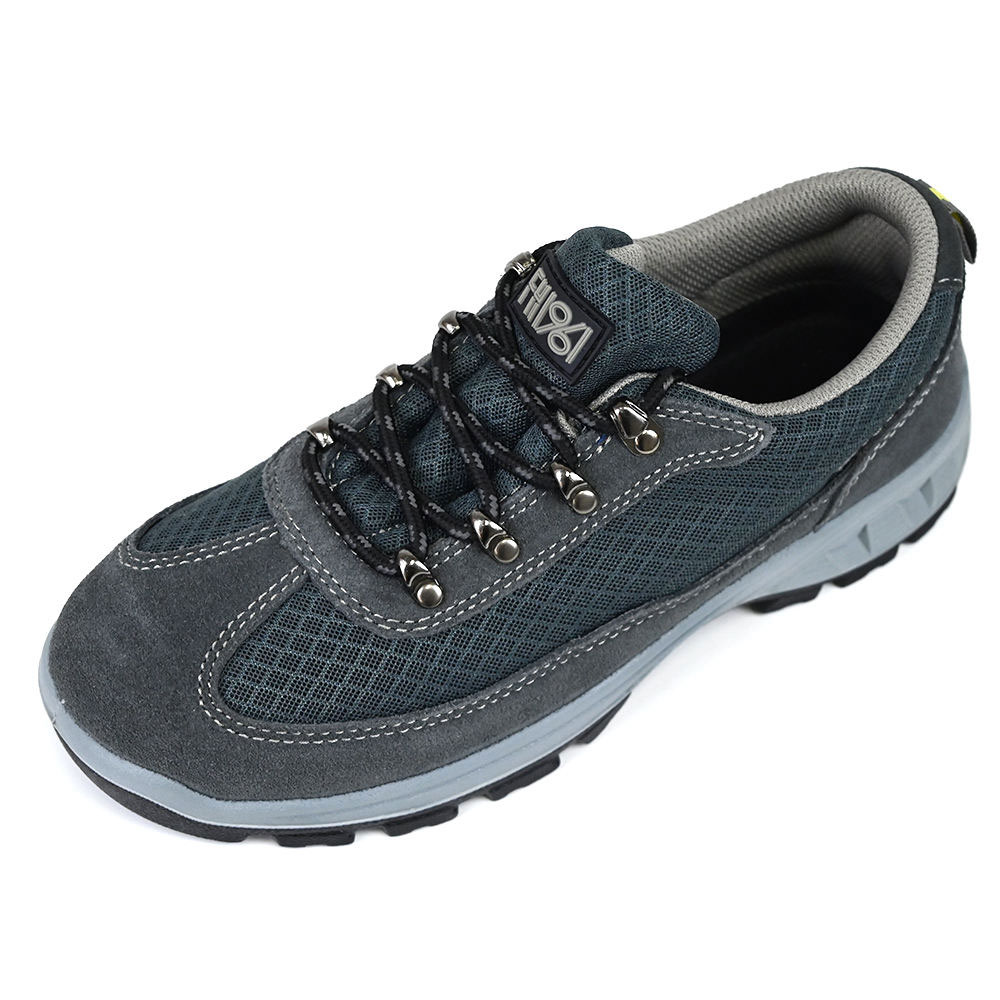
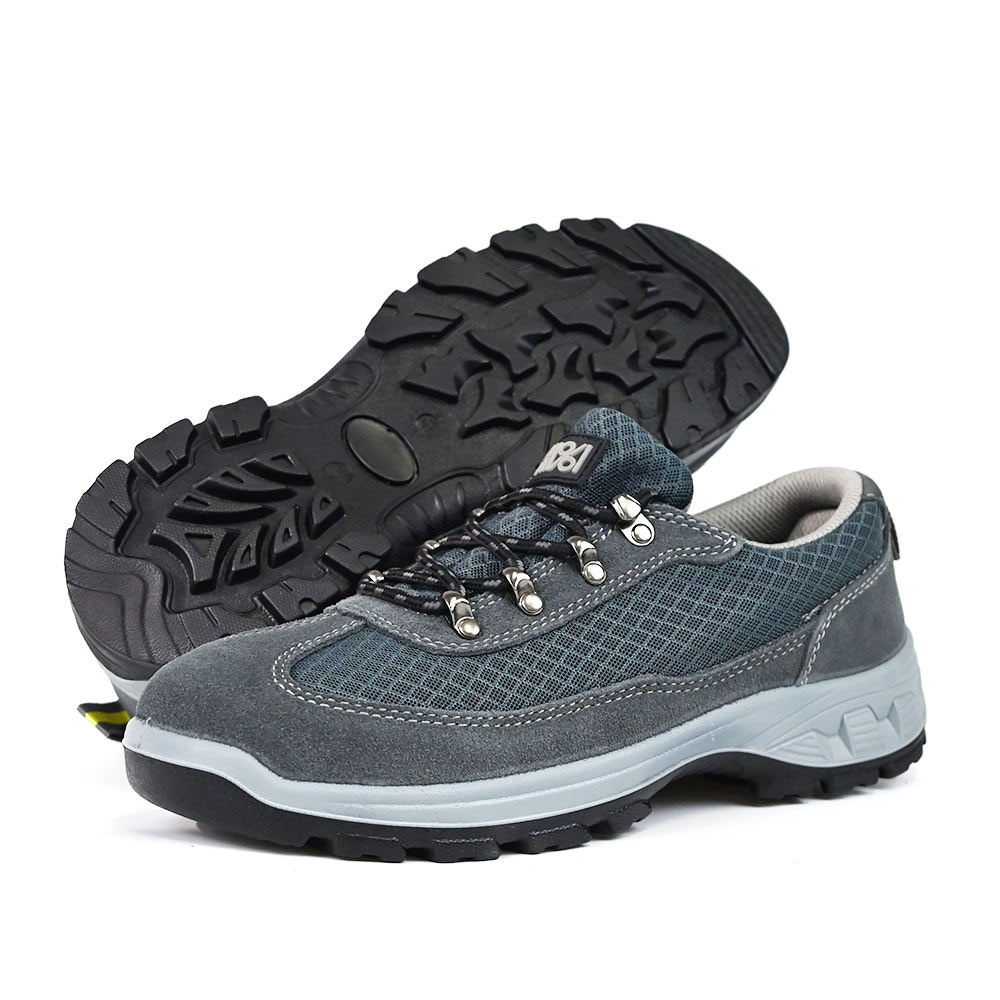
AC17-0308F is a suede safety shoe for buyers who need a protective toe and a dry-work upper that feels less bulky than smooth leather.
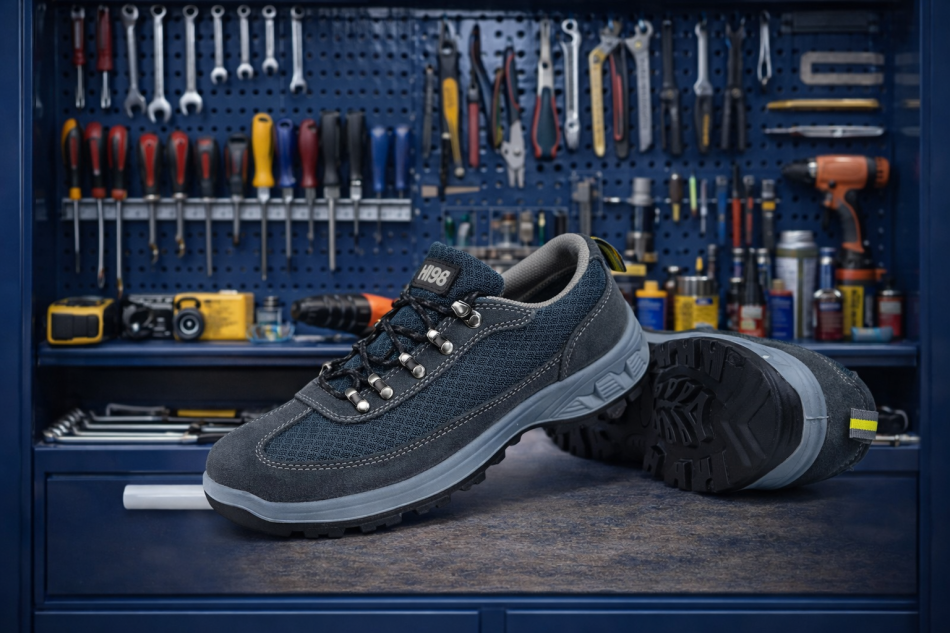
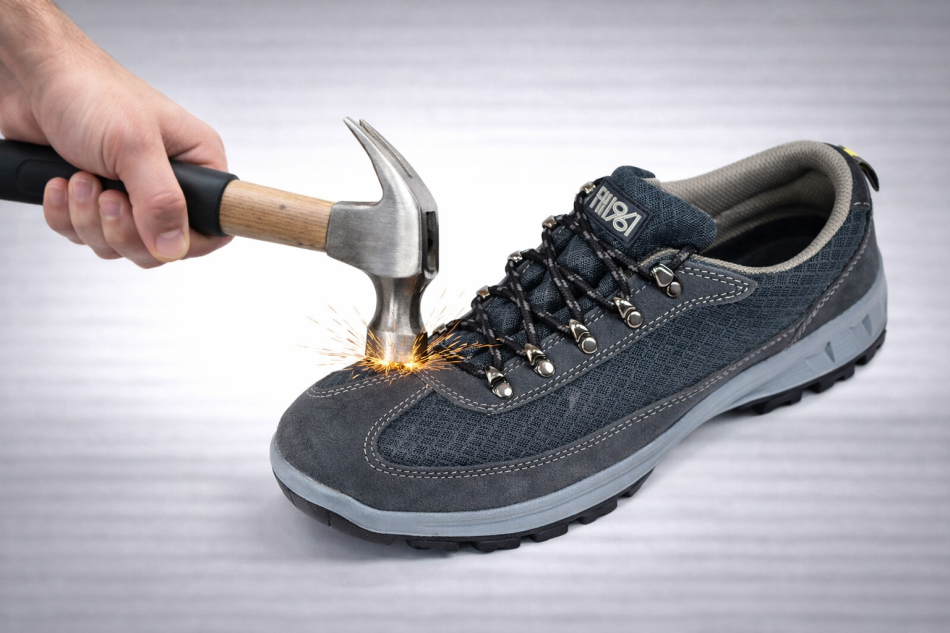
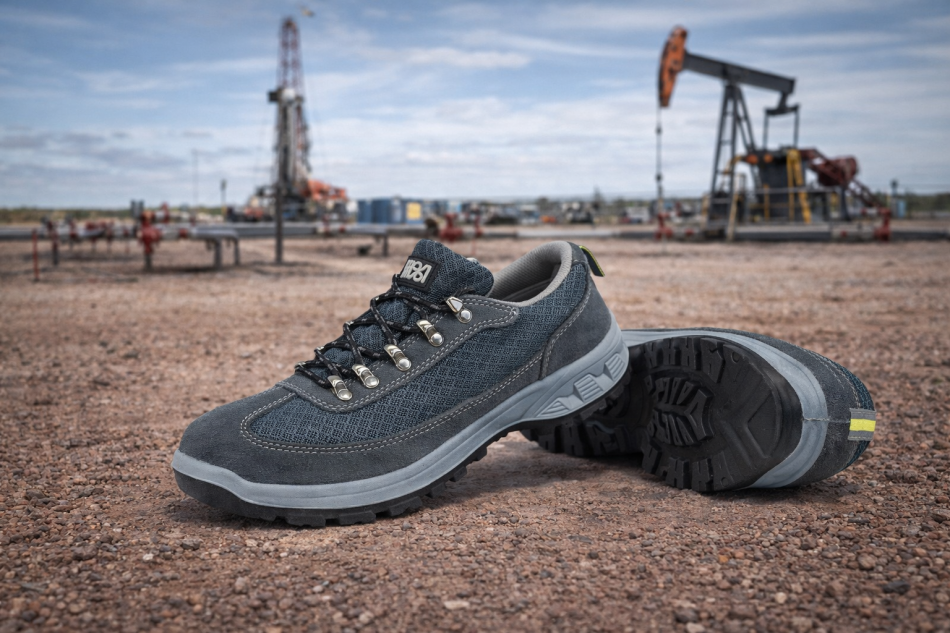
Dusty work is different from wet work. Construction interiors, cabinet shops, packing areas and dry material handling zones may not need waterproof boots, but workers still face dropped parts, pallet corners and hard floors. Suede can give these teams a comfortable upper story with a workwear look that fits the environment.
AC17-0308F combines suede, an AN1 steel toe and PU/PU dual-density injection sole. The page should explain why that combination matters: toe impact protection for routine hazards, cushioning for concrete floors and a softer upper appearance for dry industrial uniforms.
A strong buyer review should not pretend suede solves oil, water or chemicals. It should show the buyer how to choose it correctly: dry dust, moderate abrasion, indoor movement and comfort-focused safety footwear programs.
Buyer Guide
How to Choose Suede Steel Toe Footwear
Dust and appearance
Suede can look natural in dusty workshops because it does not show every small scuff like smooth polished leather. That helps worker acceptance and catalog realism.
Impact plus comfort
Steel toe protection handles common dropped-object risks, while PU/PU cushioning supports standing and walking on hard floors.
Material and construction logic
The suede upper creates a soft dry-work feel. It is best used where the buyer wants comfort and appearance, not liquid resistance.
The PU/PU injection sole supports cushioning and stable production. For B2B buyers, injection consistency can matter as much as first-look style because repeat orders need the same fit and appearance.
Ask whether workers face dust, sharp debris, occasional moisture or oil. If sharp debris is present, discuss puncture resistance. If oil is present, a different outsole may be needed.
For broader dry-work comfort grouping, review anti-fatigue work boots category and use Anchen custom footwear service.
Specification
Suede Steel Toe Checklist
Sample Testing and Bulk Order Checks
Review suede samples after contact with dust. The buyer should see how the upper looks after real work, not only in a clean photo.
Ask testers to walk, crouch and carry parts. Comfort feedback from actual movement is more useful than a static fitting.
For repeat orders, keep one approved suede texture and outsole color. Dry-work footwear often competes visually in catalogs, so consistency helps distributors maintain a recognizable product line across seasons. A buyer should also compare the suede model with black leather and flyknit options. If the job is dry but abrasive, suede may be accepted visually but still needs careful wear feedback. If the job is hot, breathable materials may be better. If the job is oily, outsole and upper selection should change. This comparison helps the page solve a real selection problem. Suede also needs a practical care message for the end user. The material can hide small scuffs better than shiny leather, but it should be brushed and dried correctly after dusty work. For buyers, this means the page should explain where suede performs well and where another upper may be safer. Dry workshops, assembly areas and indoor logistics often fit the product, while frequent chemical splash or long outdoor rain may require a different specification. Clear guidance lowers complaints after the order is delivered. It also helps sales teams explain why suede is a comfort and identification choice rather than a universal answer for every hazard.
FAQ
FAQ for Suede Steel Toe Shoes Buyers
Is suede good for wet work?
No. It is strongest for dry or dusty work where comfort and appearance matter.
Why use a steel toe?
It protects against dropped tools, parts bins and pallet edges common in dry workshops.
What should buyers confirm?
Confirm dust level, floor condition, puncture risk and color consistency before bulk production.