Use Case
Padded Tongue Safety Shoes for comfort around the instep during long shifts
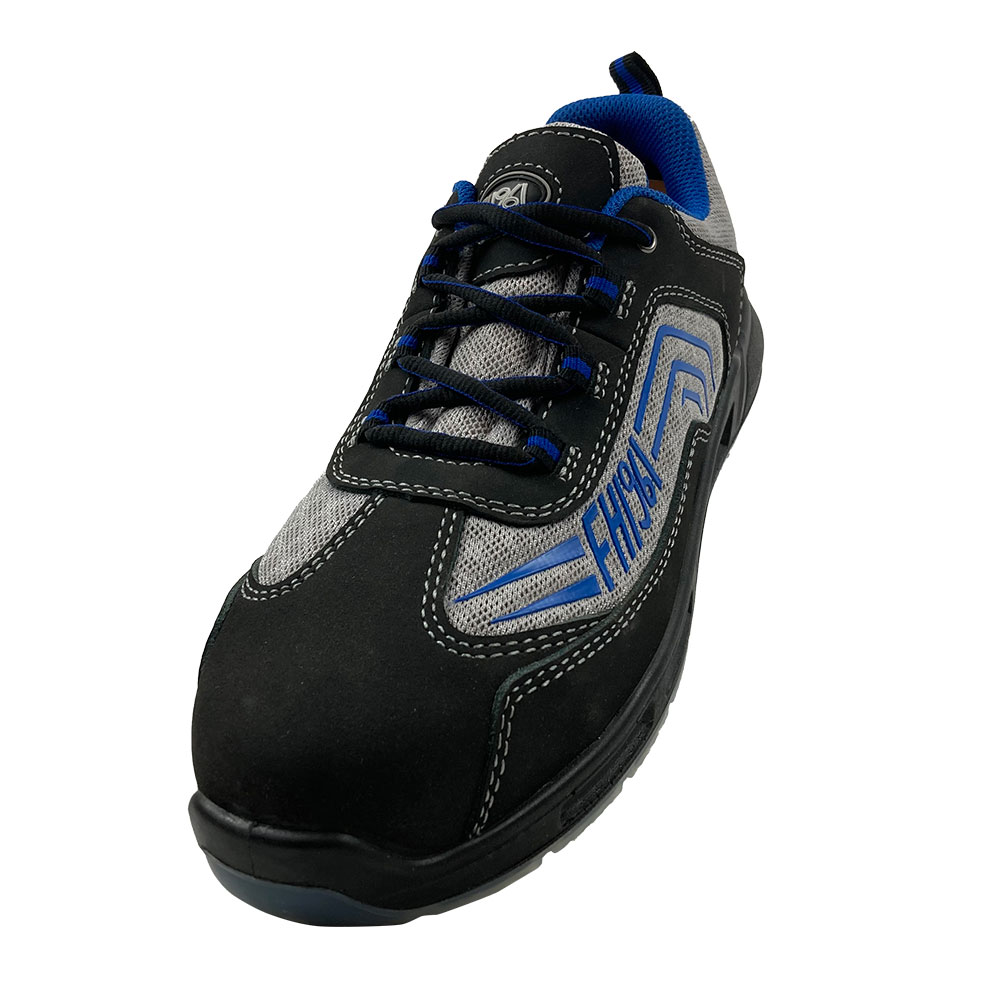
AC21-Q701 is positioned for workers who complain about tongue bite or pressure from stiff low-cut shoes. It gives buyers a clear way to match padded tongue safety shoes with real floor conditions, comfort needs and bulk supply planning.
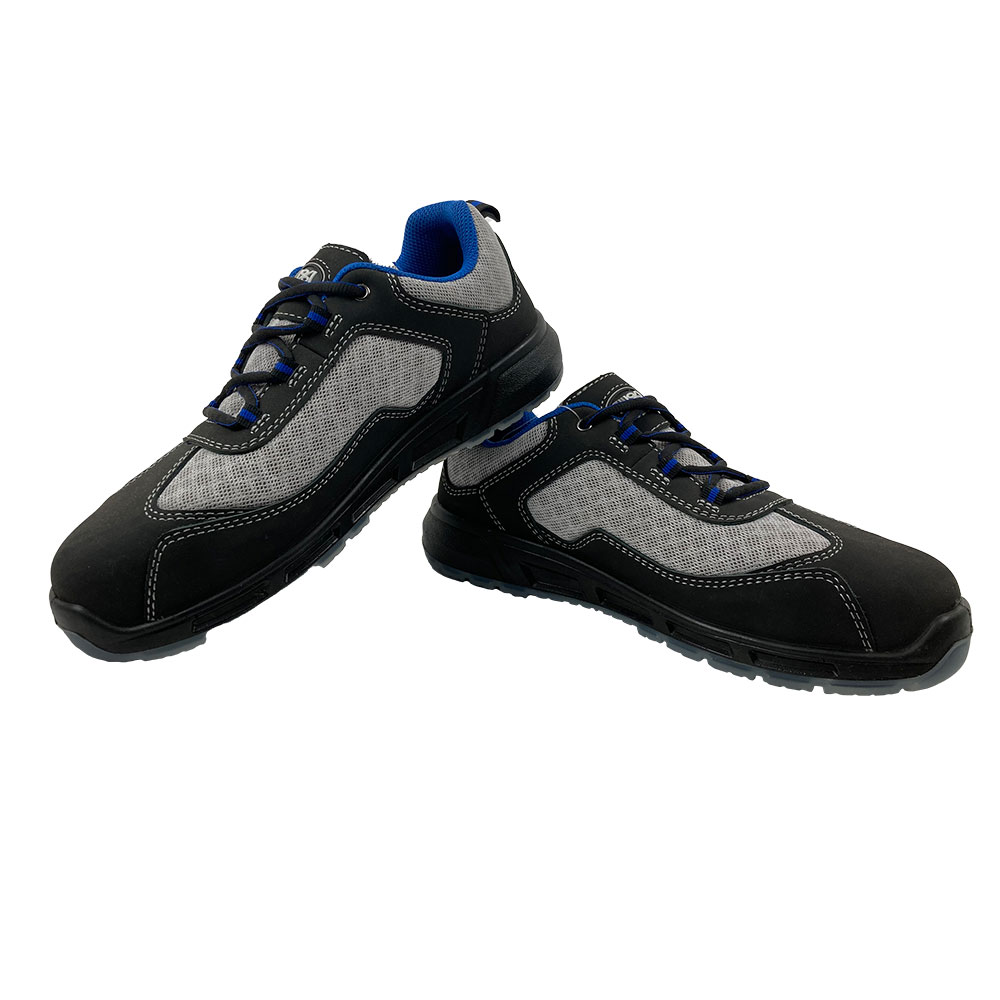
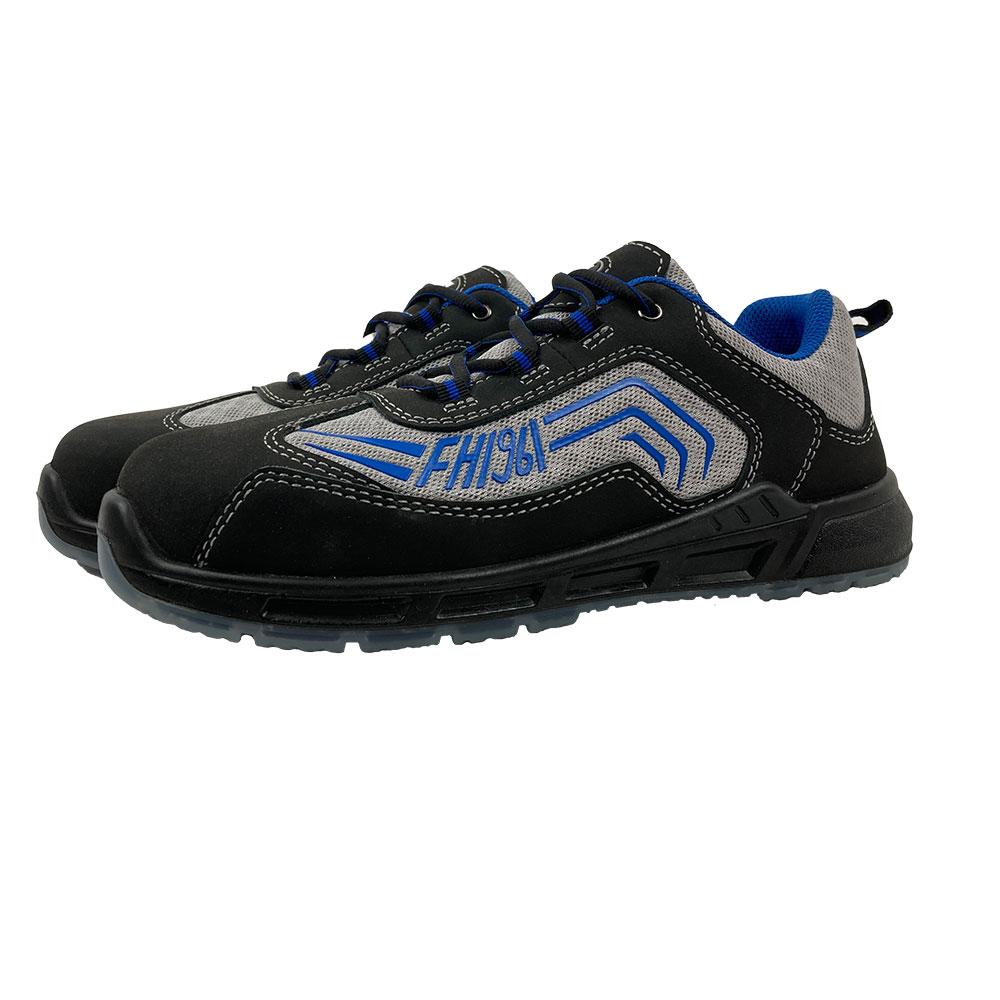
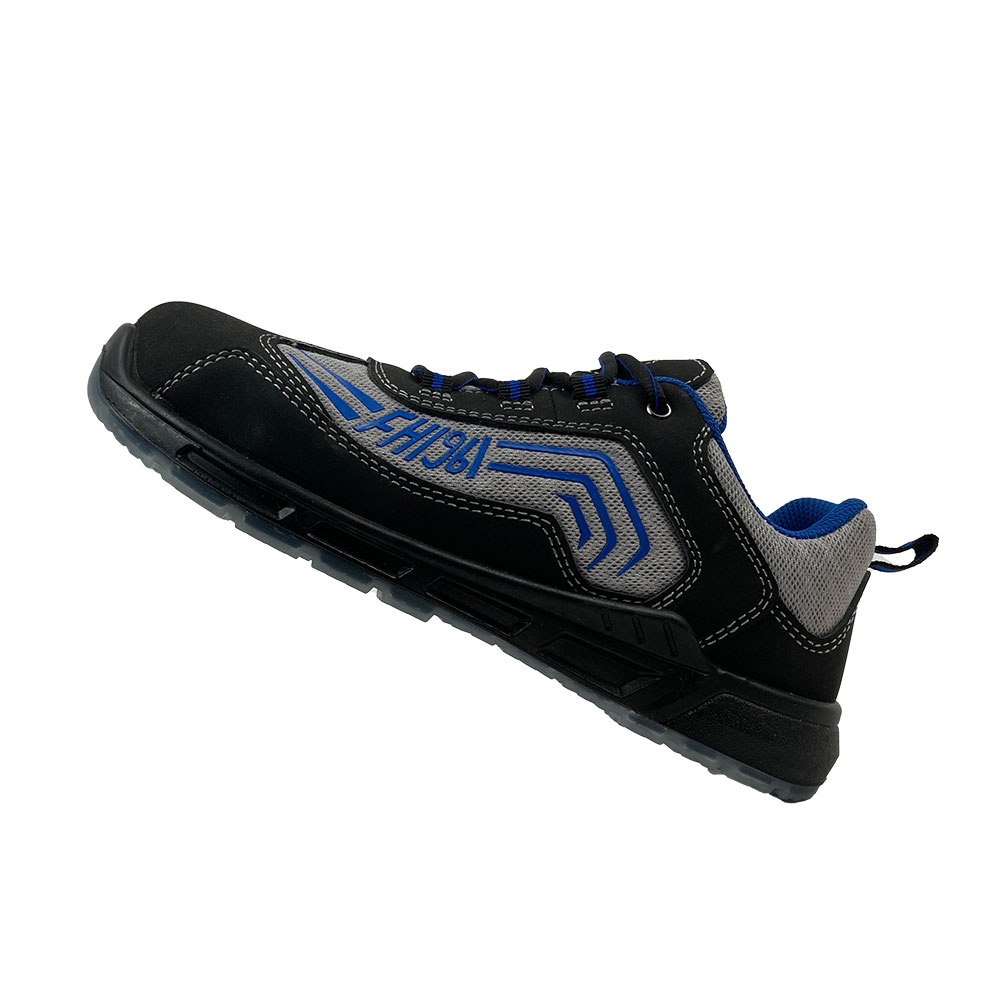
Industrial footwear selection should start with the work route, not with a feature list. A worker who stands at a bench, turns near pallets, pushes carts and walks across coated concrete will judge footwear differently from someone who only wears it for short inspections. This model is best considered for factory walking, warehouse routes, packing departments and distributor uniform lines, where the main concerns are lace pressure, toe impact, long standing and repeated walking.
The visible construction supports that job. The embossed full-grain leather upper with PU padded tongue and breathable mesh lining gives the shoe its wearing character, while the industrial sole package with Koryo cotton insole supports daily movement on hard surfaces. steel toe protection option helps buyers address impact risk without turning the model into an oversized boot. For distributors, that balance matters because a product must be easy to explain, practical to stock and acceptable to the workers who receive it.
Buyer Guide
Buyer Guide for Padded Tongue Safety Shoes
Workplace match
Use this model where the buyer can describe the floor, the walking route and the most common accident points. Padded Tongue Safety Shoes should solve a specific purchasing problem: comfort around the instep during long shifts, not just add another similar shoe to the catalog.
Worker acceptance
Ask whether workers complain about heat, stiffness, toe pressure, heel movement or sole hardness. Comfort feedback is not separate from safety because workers who dislike footwear often loosen laces, avoid required routes or switch to non-approved shoes.
How to compare the model
Compare the embossed full-grain leather upper with PU padded tongue and breathable mesh lining with the buyer market. A smooth leather, suede, mesh or flyknit upper changes appearance, cleaning expectations and worker acceptance. The outsole should be tested where the shoe will actually be used, because grip on a clean office floor does not predict movement around oil marks, dust, cartons or painted concrete.
Before approving a private-label or wholesale order, buyers should confirm sample size, upper appearance, outsole bonding, toe room and carton label details. Anchen can support order planning through the related product and testing resources and the OEM service discussion.
A strong purchasing decision also defines when this model is not the right choice. Waterproof boot requirements or heavy mud may require a different upper, taller boot, waterproof construction, special outsole compound or another protection package. Honest limits help distributors protect their brand and help safety managers choose footwear workers can trust.
Field Selection Notes
Padded tongue safety shoes solve a specific comfort issue that buyers often overlook: pressure across the instep. Workers may accept toe protection and outsole grip but still complain when laces press into the foot during bending, kneeling or stair use. A product page should explain that the padded tongue is not cosmetic; it helps keep the shoe wearable across a full shift.
This model is useful where teams walk between stations, climb short steps, push carts or bend to inspect parts. Those movements pull the upper across the instep again and again. If the tongue is thin or unstable, workers may loosen the shoe, which can reduce heel control and toe positioning. Sample review should therefore include movement, not just standing comfort.
For distributors, the buyer conversation can focus on reducing small daily complaints that make safety footwear hard to enforce. A shoe with better lace-area comfort can support compliance in routine factory jobs because workers are less tempted to modify the fit. That is a practical selling point for supervisors who manage large teams.
Procurement should also check whether the padded tongue affects heat or drying. In warmer areas, extra padding must be balanced with lining comfort and airflow. The best use is a dry industrial route where instep comfort is a repeated concern and the buyer wants a conservative safety shoe profile.
Specification
Specification and Sample Checks
Sample Testing Before Bulk Order
Test lace pressure, heel hold, tongue padding, toe room and insole feel during a full shift. The review should include walking, turning, bending and standing, because each movement reveals a different possible complaint. Toe room should be checked after workers have worn the sample for a realistic period, not only during a quick try-on.
For repeat production, keep a record of the approved upper appearance, outsole color, stitching, logo position, carton label and size range. These details reduce arguments between sample approval and shipment inspection. They also make it easier for an importer or distributor to explain why the product is suitable for a defined industry rather than a generic low-price substitute.
If the buyer serves several departments, collect comments from more than one type of wearer. A packing worker, maintenance technician and stock picker may all use the same shoe differently. That feedback helps build a size mix and protects the supplier relationship after the first order.
Extra Approval Checks
Test tongue centering, lace pressure, heel hold, forefoot bend and padded-area heat after two hours of walking. Ask workers with different instep heights to comment before finalizing the size run.
FAQ
FAQ for Padded Tongue Safety Shoes Buyers
Where does this model fit best?
It fits factory walking, warehouse routes, packing departments and distributor uniform lines. Buyers should confirm that the actual workplace risk matches lace pressure, toe impact, long standing and repeated walking before using it as a standard issue model.
What should be checked first in a sample?
Check test lace pressure, heel hold, tongue padding, toe room and insole feel during a full shift. A useful sample review should include the real floor, normal socks, expected walking route and the workers who will wear the shoe.
Can this model support OEM or distributor orders?
Yes. Anchen can discuss logo placement, carton labels, size mix, protection options and repeat production details before a bulk order is confirmed.
What is the main benefit of the padded tongue?
It helps reduce lace pressure and improves comfort during bending, walking and stair movement in routine dry industrial work.
Why does this matter for safety managers?
Workers who feel pressure often loosen footwear. Better instep comfort can support a more secure fit through the shift.