
Use Case
Oil Resistant Steel Toe Shoes for Machine Shops
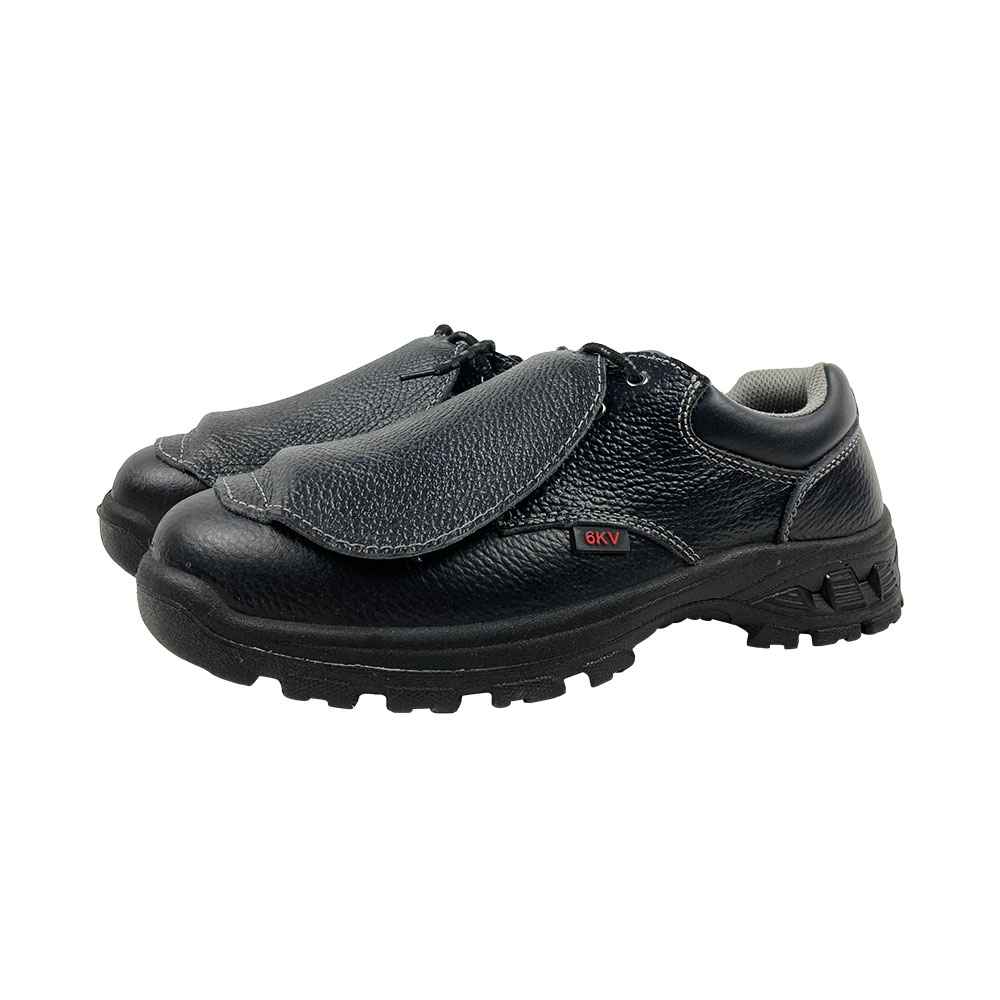
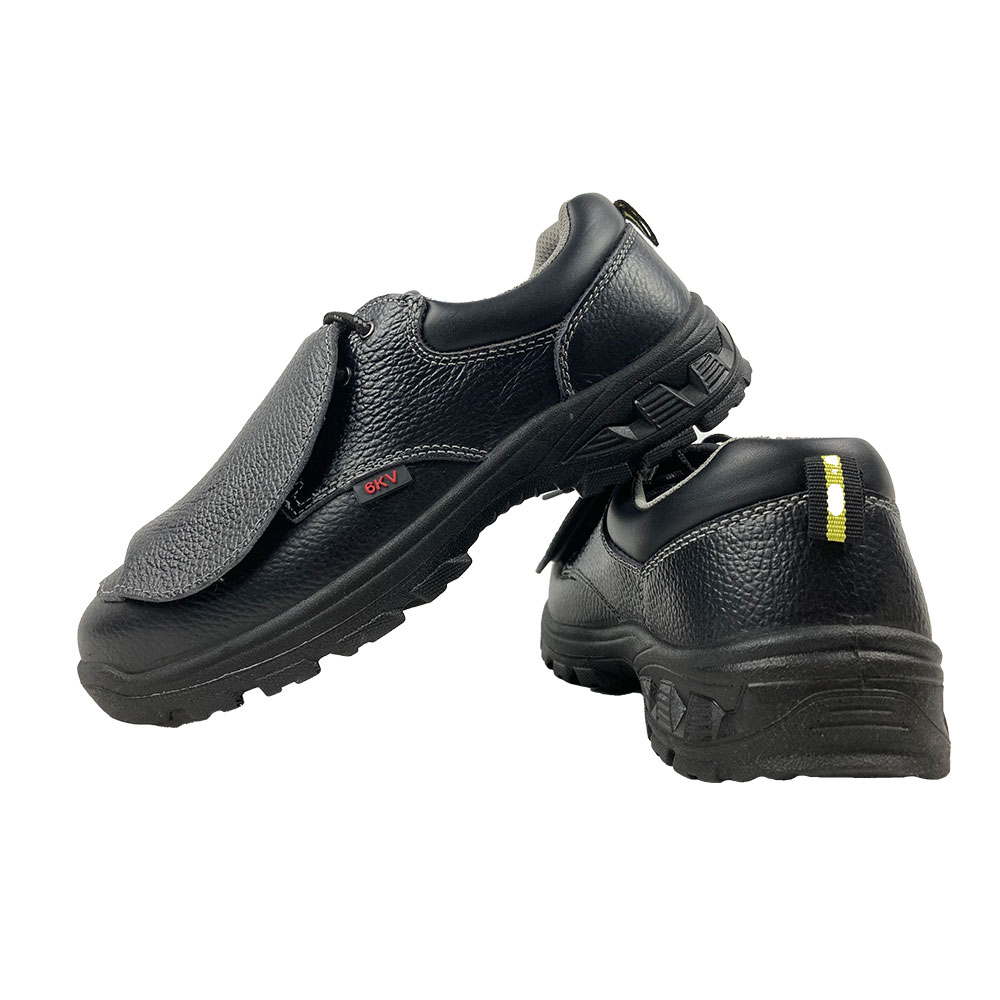
AC16-01 is built for factories where cutting oil, lubricants, dropped tools and hard concrete floors create a combined footwear problem.
Oil resistance is not only a laboratory word. In a machine shop, small amounts of lubricant can move from workbench to floor, then onto shoe soles, stairs and loading routes. Safety managers need footwear that supports grip and impact protection, while purchasing teams need a model that workers will continue wearing after the first week.
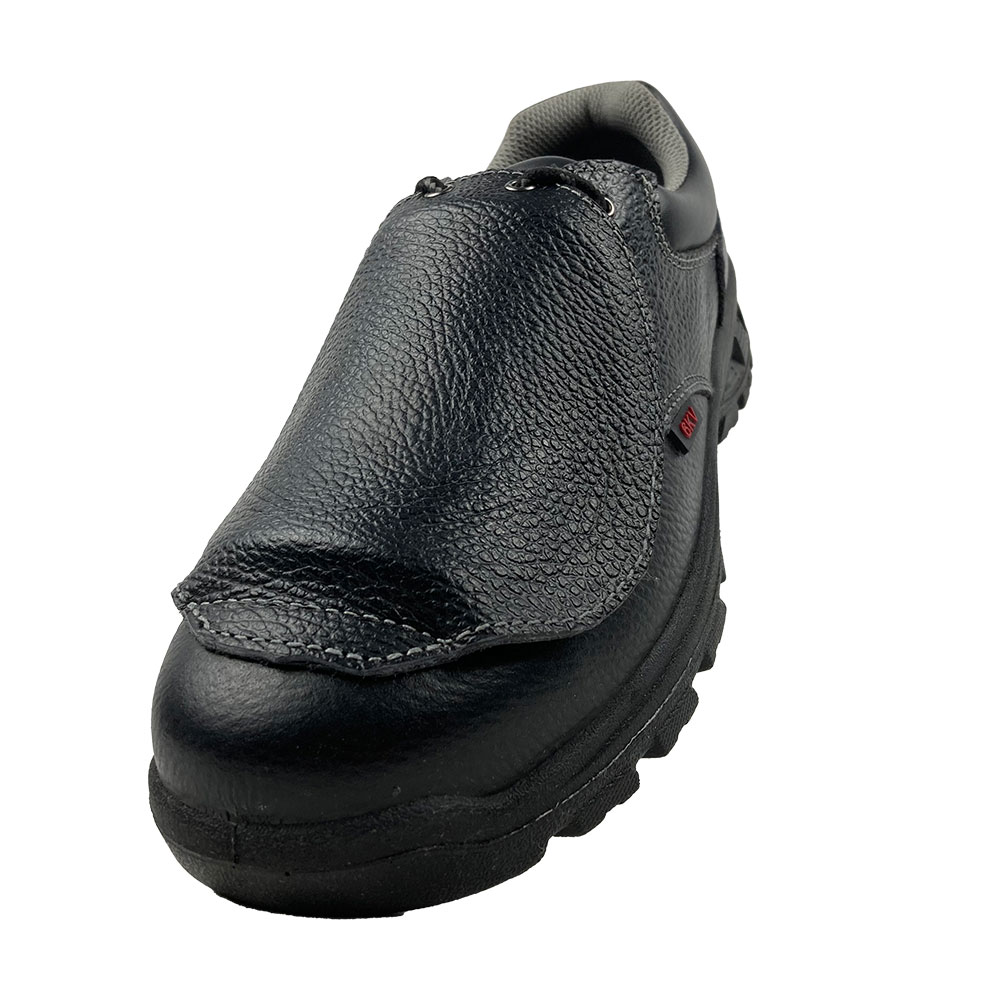
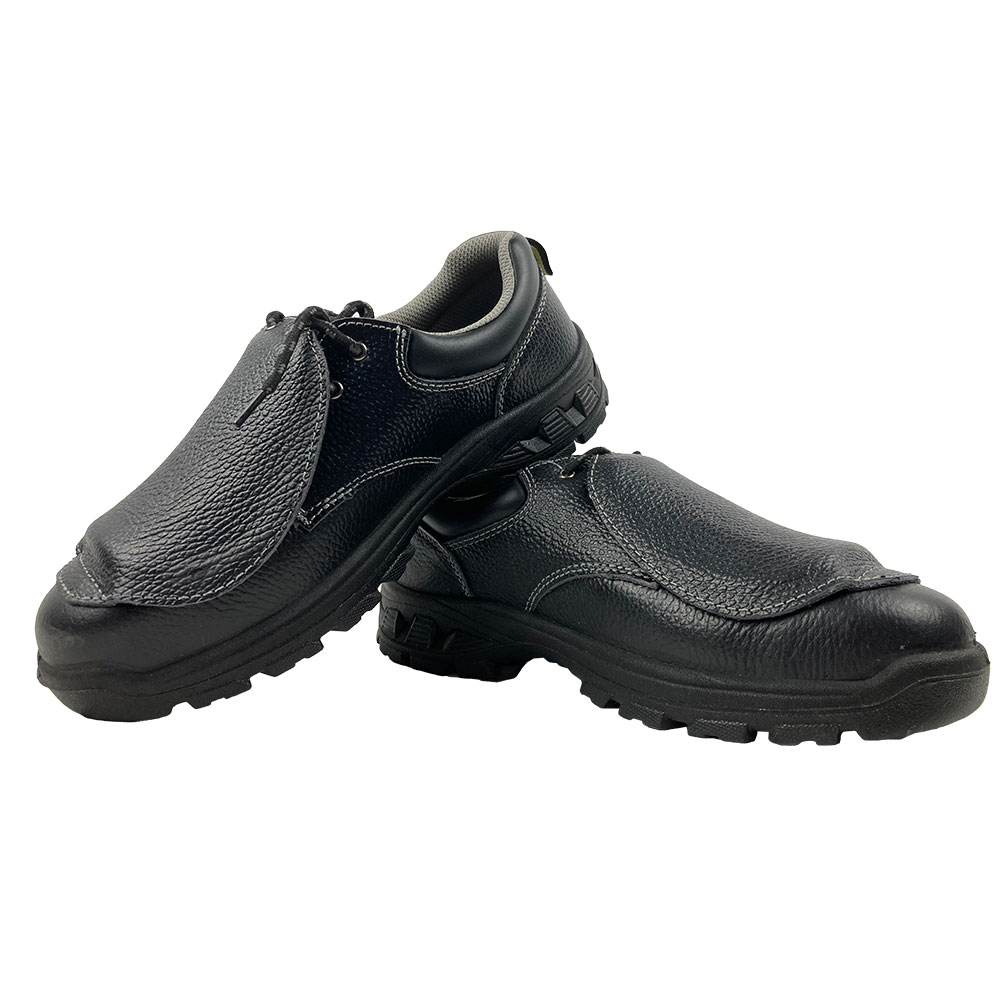
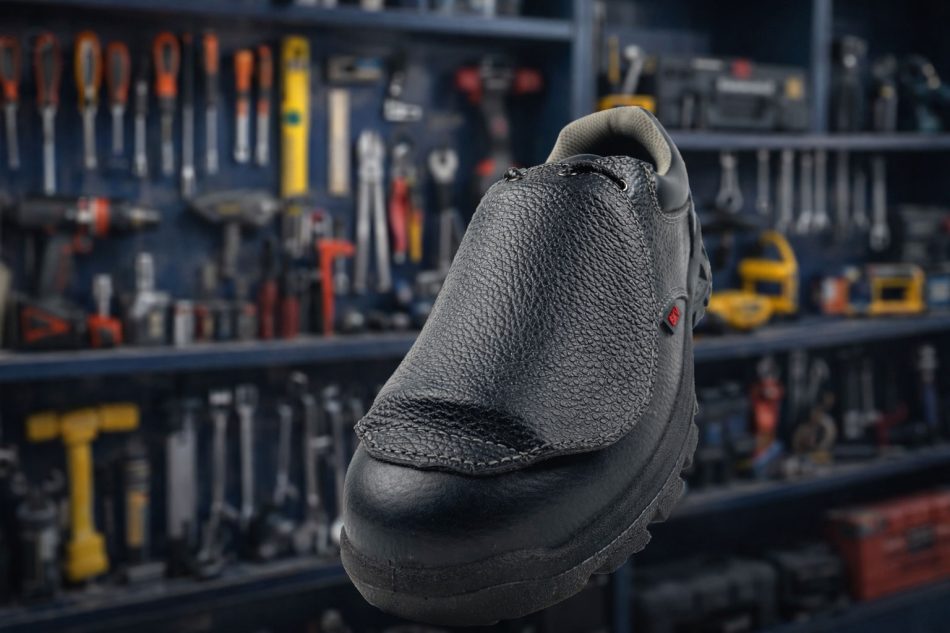
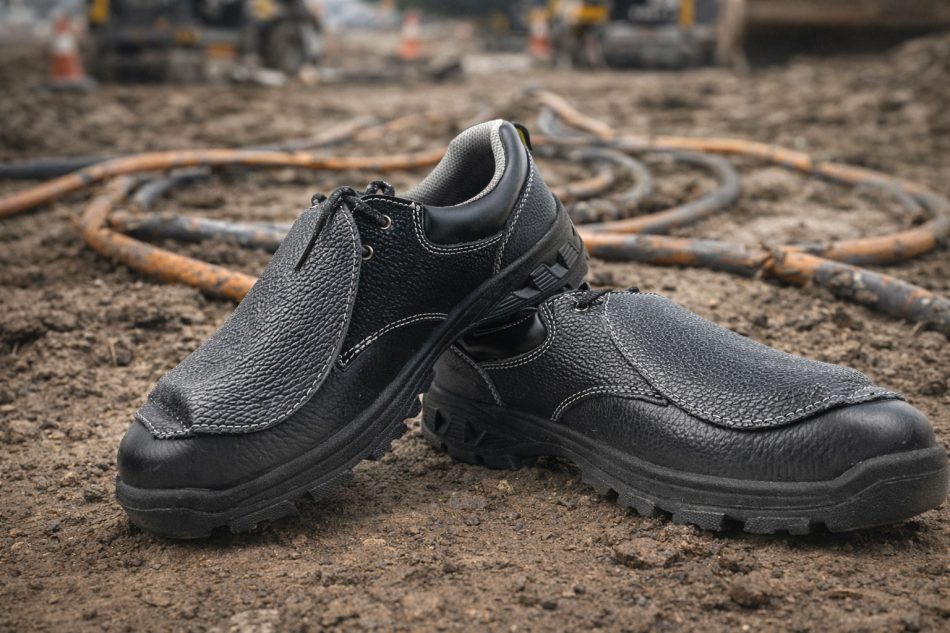
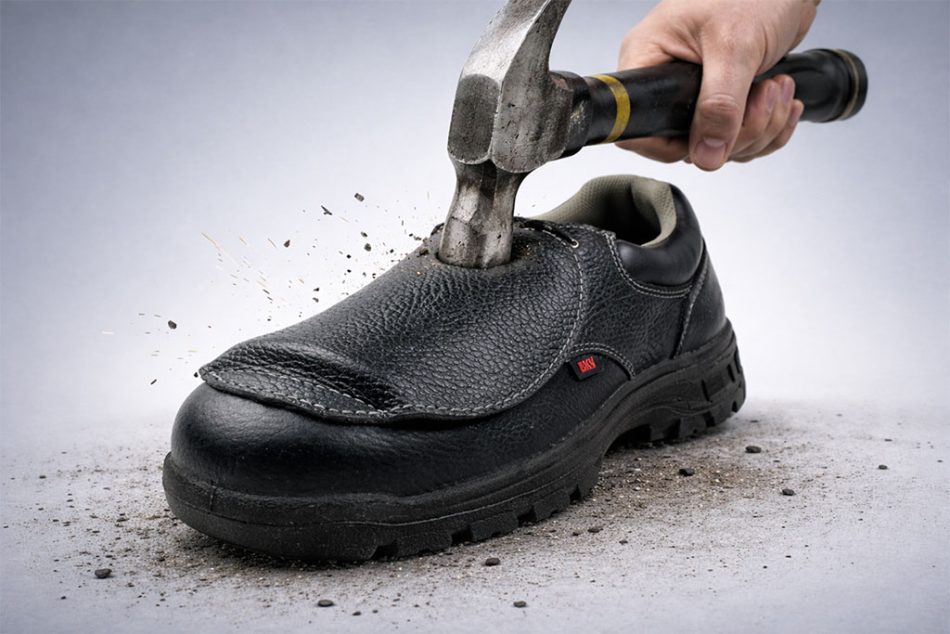
The AC16-01 combines an embossed buffalo leather upper, steel toe protection and a dual-density PU outsole. This makes it suitable for maintenance crews, tool rooms, machining support areas, automotive parts plants and general industrial floors where oil film and mechanical movement are both present.
Buyers should still treat oil resistant claims with context. The best page should ask what oil is present, how often floors are cleaned, whether water mixes with lubricant and whether workers also step on metal chips or sharp debris. That practical discussion creates more value than repeating a short product list.
Buyer Guide
Selection Advice for Oily Workplaces
Slip management
Oil on a smooth floor changes the walking risk. Footwear matters, but it should be selected together with floor cleaning, drainage, worker training and route planning.
Impact risk
Machine shops also expose workers to parts bins, tools, carts and pallet edges. Steel toe protection keeps this product relevant beyond outsole discussion.
Material and construction logic
Embossed buffalo leather gives the shoe a rugged industrial surface and helps maintain a clean visual appearance. It is a practical choice for black uniform programs where shoes see scuffs and dust.
The PU/PU dual-density outsole supports cushioning and daily movement. For oily areas, buyers should review outsole pattern, compound selection and cleaning routines during sample testing.
A good procurement brief should include the type of oil, floor texture, shift length, cleaning chemical and expected replacement cycle. If the site includes sharp metal debris, puncture resistance may be more important than the buyer first realizes.
For outsole and optional protection discussions, start with the testing and quality control lab and check how Anchen frames related slip-control products under slip-resistant safety shoes.
Specification
Machine Shop Order Checklist
Sample Testing and Repeat Order Checks
A sample should be walked on the buyer actual floor, not only tested in an office. Oily concrete, painted floors and metal stairs feel different under the same outsole.
Ask workers whether the shoe feels secure during turning, crouching and pushing carts. Straight-line walking does not reveal every slip complaint in a machine shop.
For repeat orders, collect feedback after the outsole has been exposed to cleaning chemicals and daily oil film. Early comfort is important, but wear after several weeks decides repeat order confidence. The buyer should also define how oil is removed from the floor. A shoe that performs well on fresh oil may feel different after detergent residue, metal dust and water are mixed into the walking surface. Recording that cleaning routine gives the factory a more useful specification target and helps the distributor answer safety manager questions with confidence. It is also useful to ask how often workers leave the oily zone and walk into offices, stairs or loading areas. Mixed routes expose one sole to several surfaces, so the sample review should include turning, stopping and carrying loads, not only standing beside a machine. This helps buyers avoid choosing footwear from a single hazard word instead of the real walking pattern.
FAQ
FAQ for Oil Resistant Steel Toe Shoes Buyers
Does oil resistant mean slip proof?
No. It means the shoe is positioned for oily conditions, but slip risk also depends on floor texture, contamination, cleaning and worker movement.
Where is AC16-01 strongest?
It fits machine shops, maintenance departments, automotive parts plants and general factory floors with light oil exposure.
Should buyers add puncture resistance?
If workers step near metal chips, sharp scrap or pallet nails, puncture resistance should be discussed before production.