Use Case
Oil Resistant Safety Shoes for Workshop Floors
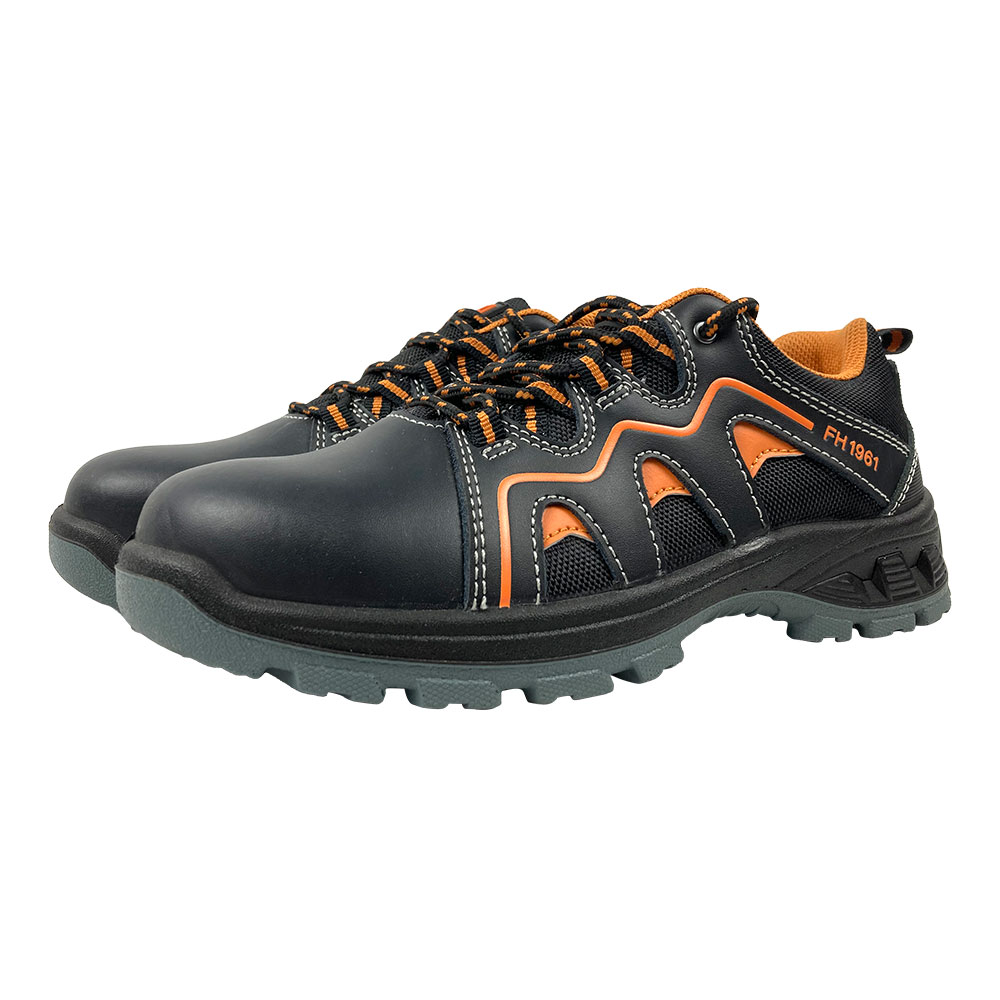
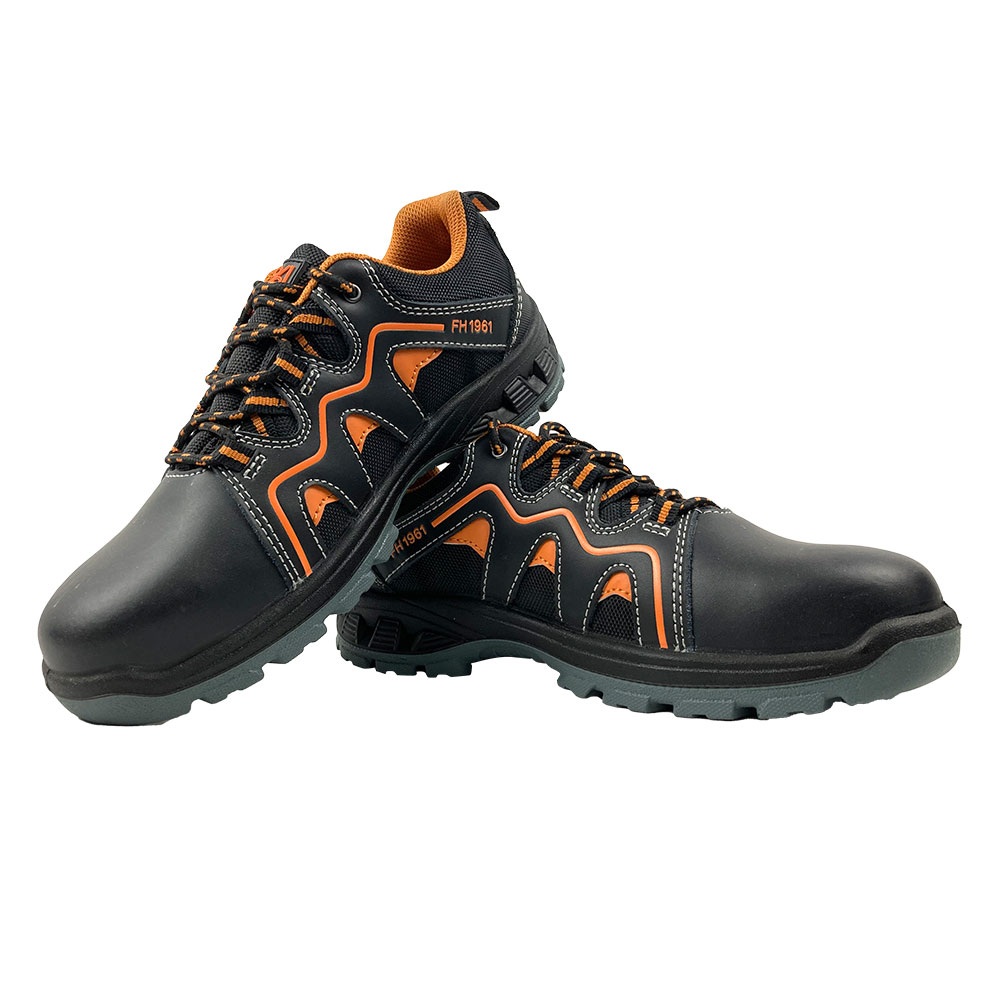
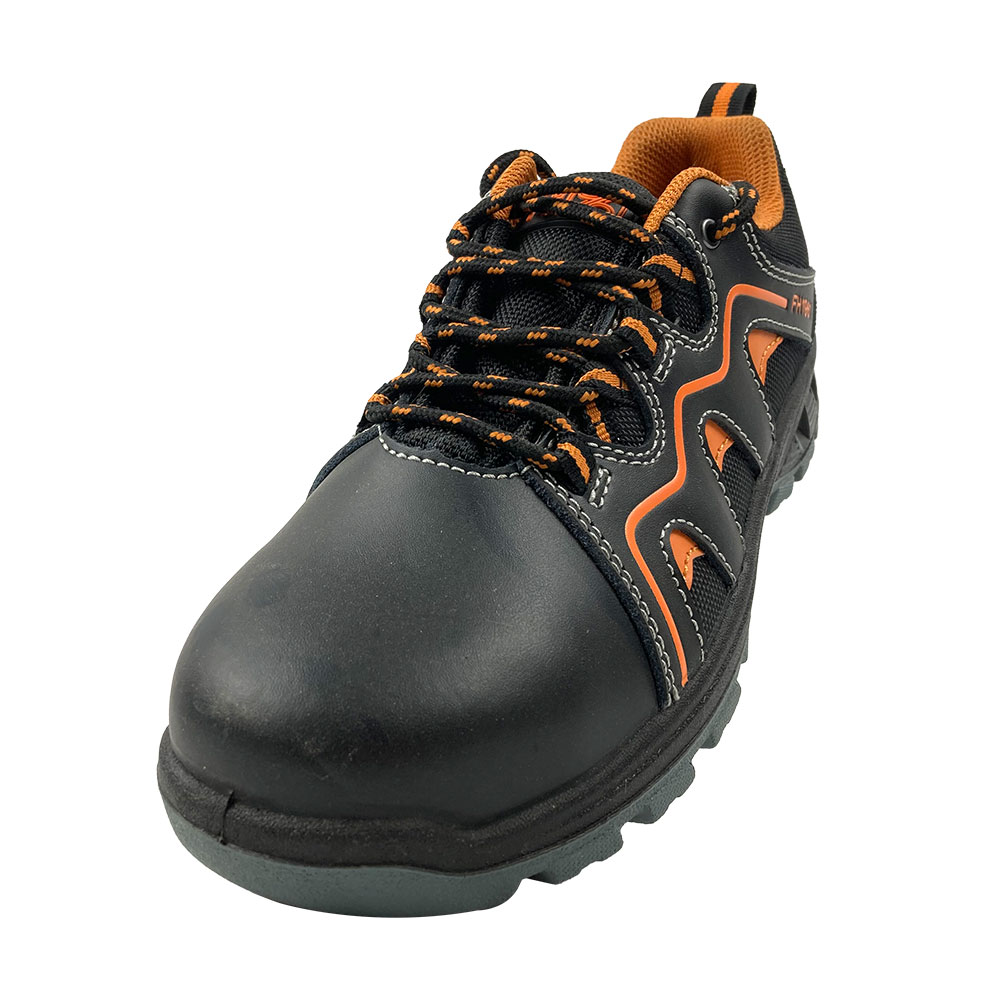
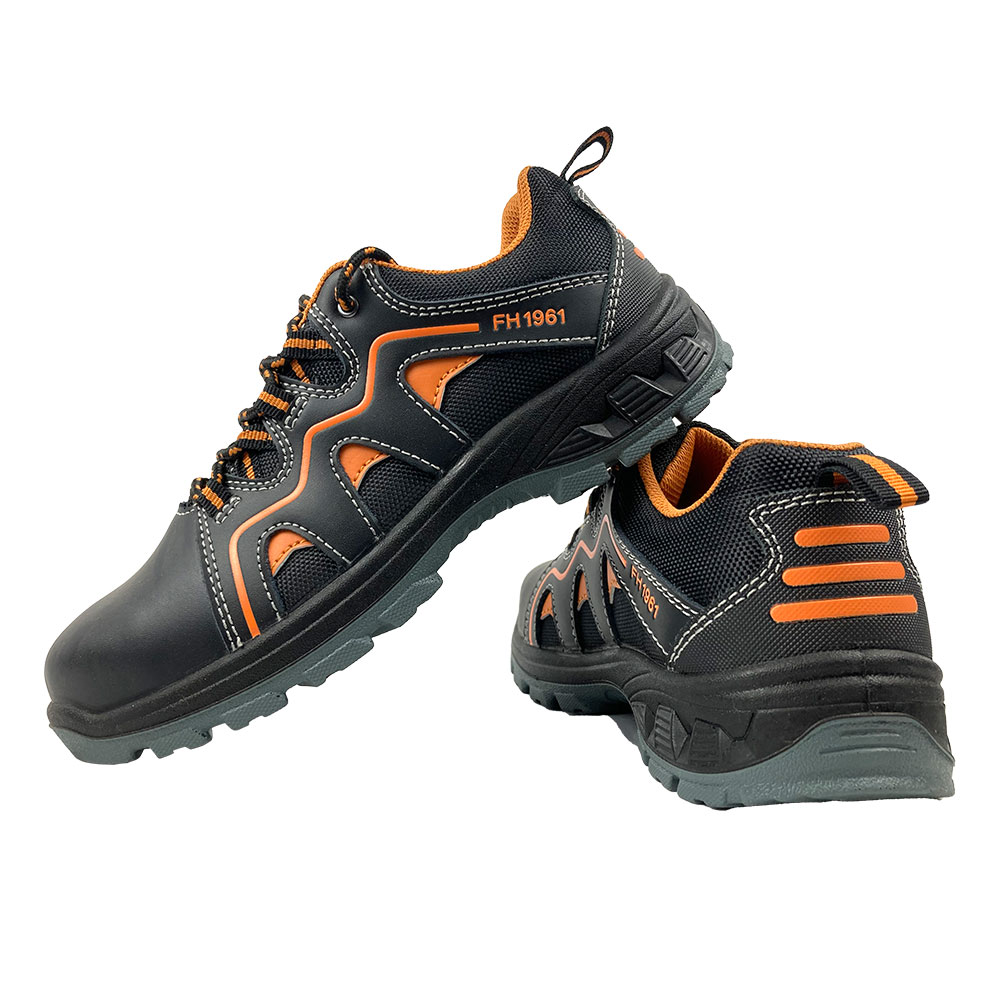
AC2003 is a black buffalo leather safety shoe for industrial teams that work around light oil film, machine residue and daily walking routes.
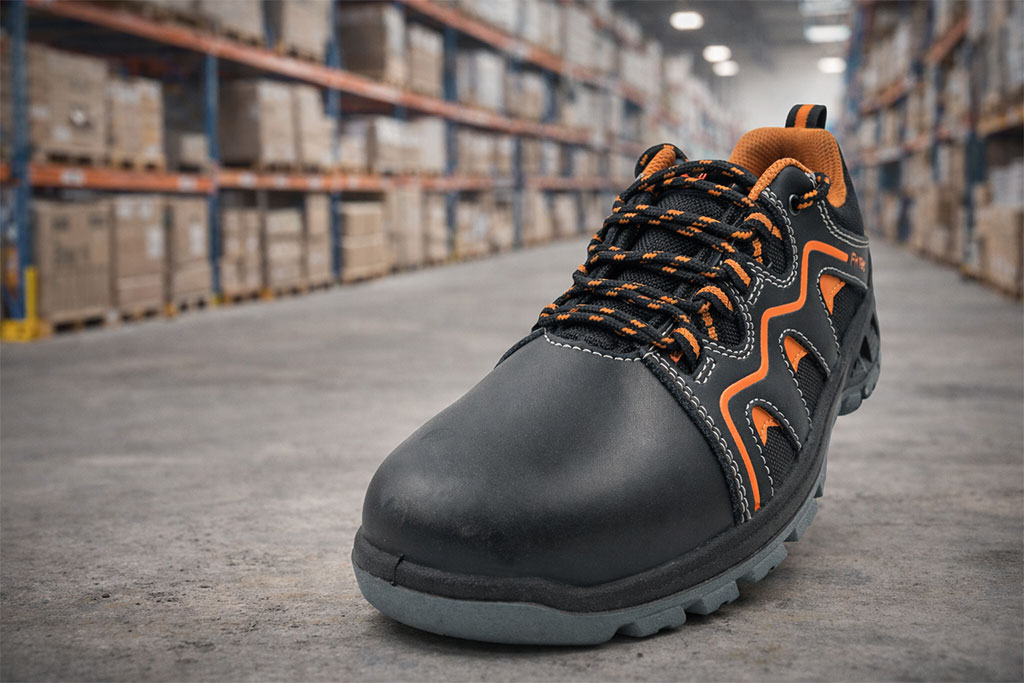
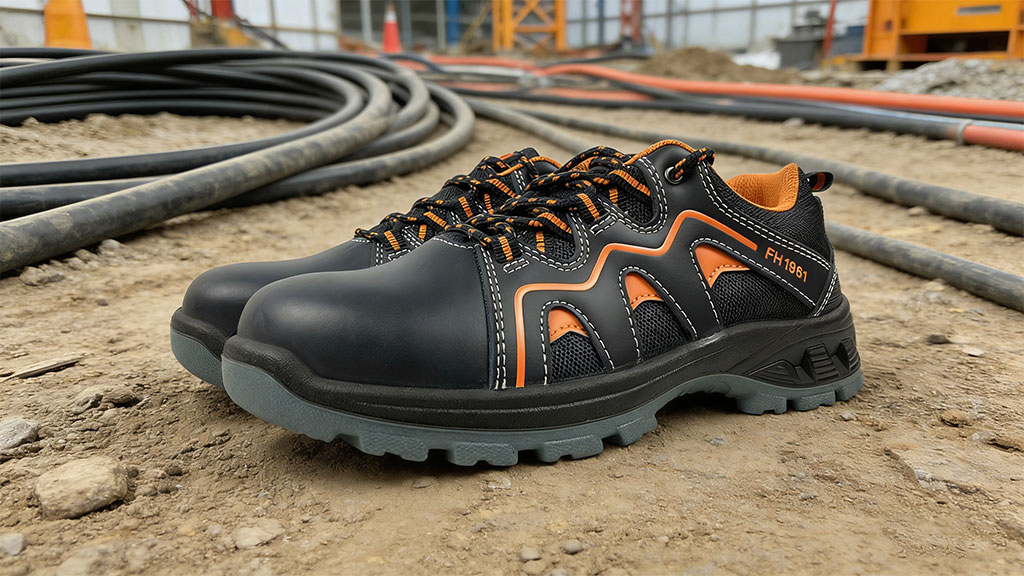
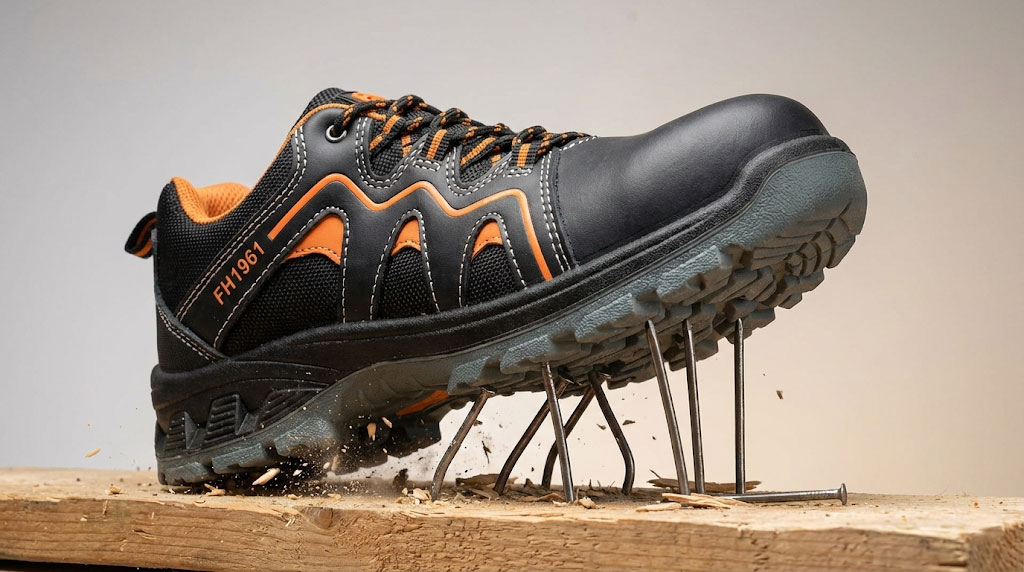
Oil on the floor is rarely a simple footwear problem. It usually sits between machine maintenance, cleaning schedules, forklift routes and employee movement. A buyer searching for oil resistant safety shoes needs a page that helps them understand where the shoe fits inside that wider risk picture. AC2003 is designed for factories, maintenance teams, warehouses and light chemical-adjacent spaces where workers may step from dry concrete to oily patches during the same shift.
The model combines a breathable buffalo leather upper, steel toe protection and a PU/PU dual-density sole. That specification gives distributors a practical story: impact protection for tools and carts, a leather upper that can tolerate routine industrial wear, and an outsole platform selected for comfort and grip on general factory surfaces. The product should not be described as a magic answer for every contaminant. It is better positioned as a reliable daily safety shoe for controlled oil exposure and mixed indoor movement.
Good footwear content should also remind buyers that outsole performance changes with floor texture, cleaning chemicals, water, dust and wear. A polished workshop floor with cutting oil is different from a rough outdoor loading bay. Sample testing should include the actual site conditions whenever possible, because a shoe that feels secure on a dry office floor may behave differently after a shift near machinery.
Buyer Guide
Oil Floor Selection Notes
Slip risk is a system
Footwear, floor cleaning, drainage, speed of movement and employee training all affect slip risk. The shoe is one important part of the control plan.
Match the contaminant
Hydraulic oil, coolant, light grease and water-based cleaners can create different walking conditions. Ask what workers actually step on.
Material and construction logic
Buffalo leather gives the upper a durable feel for daily plant use. It also presents a professional black work-shoe appearance for factories that want protection without a bulky boot profile.
The PU/PU dual-density sole is useful when workers stand, walk and climb short steps through the day. It gives a comfort angle that matters for repeat orders, because workers will not keep wearing shoes that feel punishing after two weeks.
For bulk buyers, the correct conversation is floor type, exposure level, toe protection, optional puncture resistance, size range and packaging. Confirm whether the order will serve one department or several departments with different movement patterns.
For more floor-hazard product planning, compare slip resistant general purpose safety shoes and review slip testing context on Anchen testing resources.
Specification
Workshop Oil Risk Checklist
Sample Testing and Bulk Order Checks
Before confirming a bulk order, test the shoe in the work area where oil appears most often. Walkers should try normal turns, short starts and stops, stairs and cart-pushing movements. This gives a better buying signal than a clean showroom trial.
If the team also faces nails, scrap metal or sharp floor debris, discuss puncture-resistant midsole options before production. If the site has electrical concerns, those requirements should be handled separately rather than assumed from the oil-resistant wording.
The page is written for purchasing managers who need a practical oil-floor selection guide, not just a catalog sentence. It explains why contamination, cleaning and walking behavior all matter. That helps buyers reduce complaints, choose realistic samples and communicate the product to safety supervisors before the first shipment leaves the factory. A useful oil-floor page should also mention inspection after wear. Once lugs become rounded, soles harden, or cleaning chemicals leave residue, slip confidence can change. Buyers can reduce risk by scheduling sample reviews after several weeks, asking workers where they felt insecure, and comparing the outsole against the actual floor map. That kind of practical follow-up supports safer purchasing and lowers the chance of replacing a model too late.
FAQ
FAQ for Oil Resistant Safety Shoes Buyers
Where do oil resistant safety shoes make the most sense?
They are most useful in workshops, machinery maintenance areas, logistics floors and light industrial sites where workers may step on oily concrete, lubricant mist or wet patches during normal movement.
What should be checked before a bulk order?
Ask workers to walk the sample on the actual floor surface, including turning, pushing carts and climbing low steps. This gives better feedback than judging the outsole from a clean office floor.
Can the shoe be adjusted for distributor programs?
Anchen can discuss size mix, carton labels, logo placement and outsole requirements before production so the model fits the buyer market and repeat order plan.