
Use Case
Low Cut Leather Safety Shoes with Injection Molded Sole
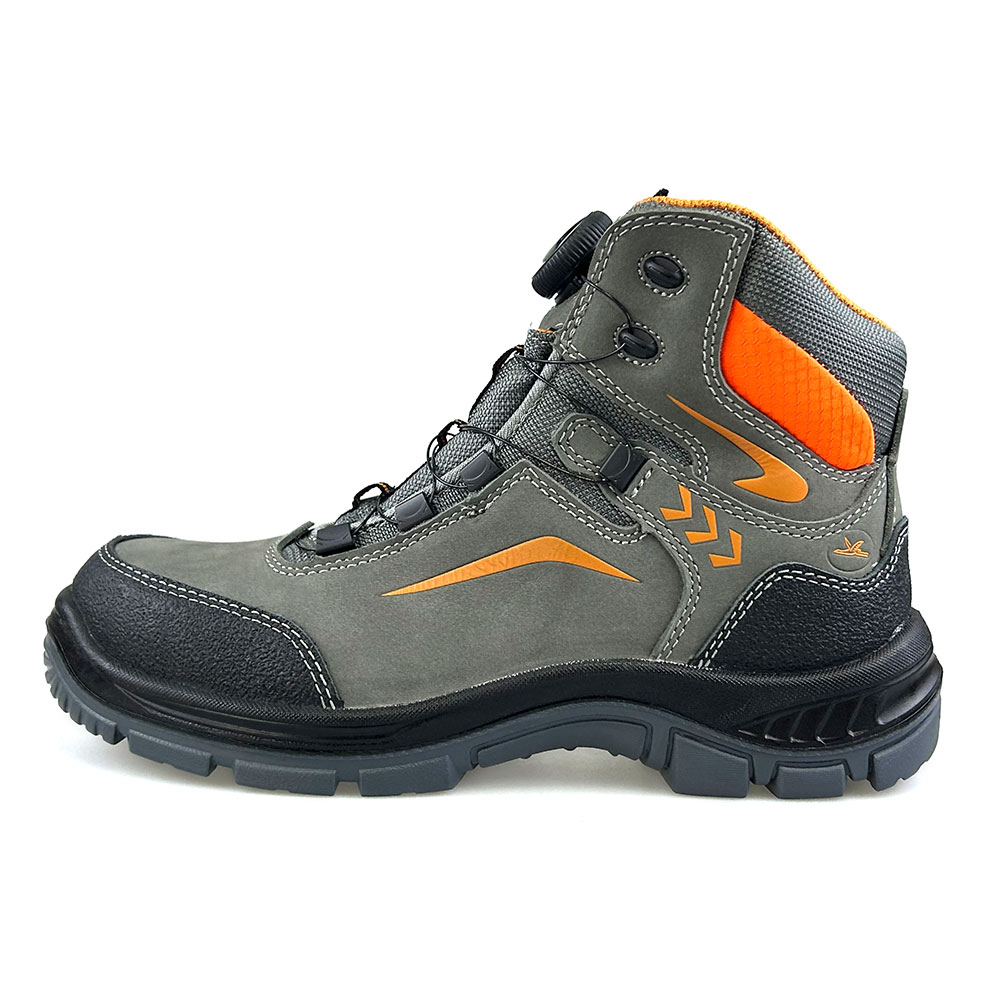
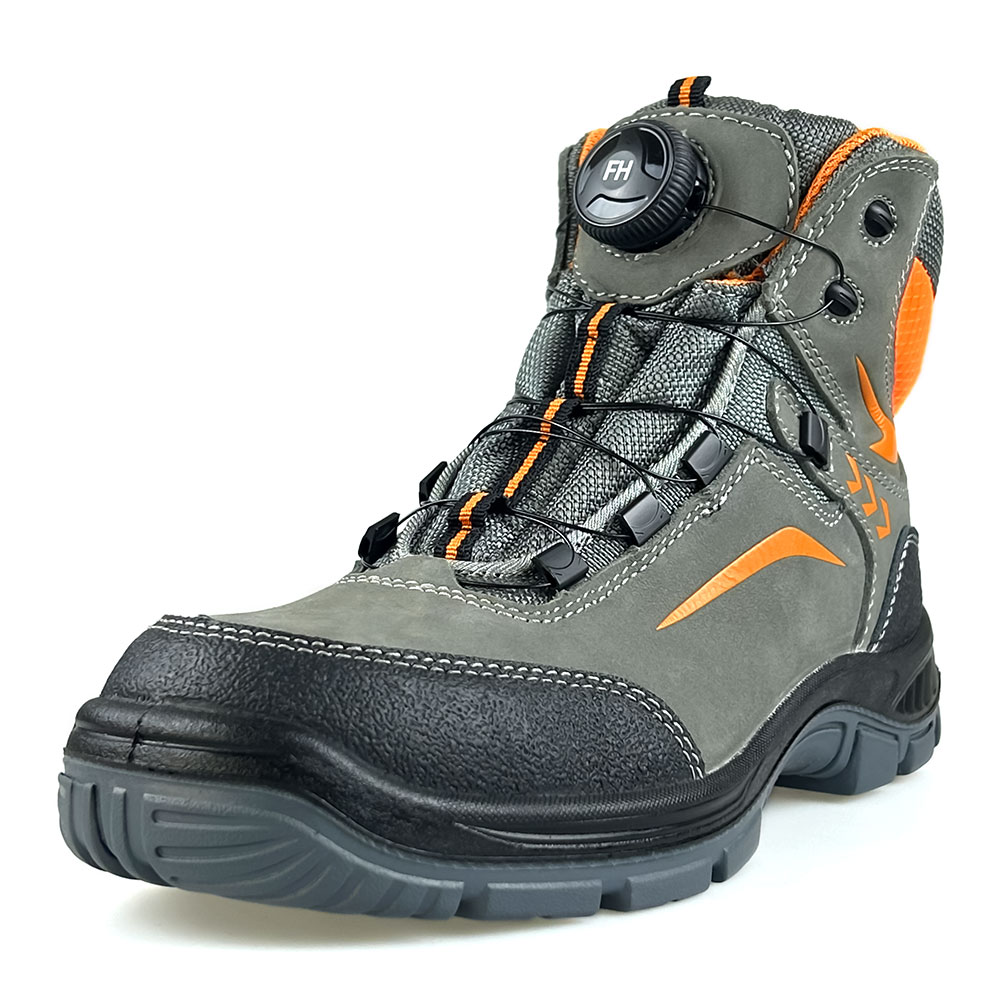
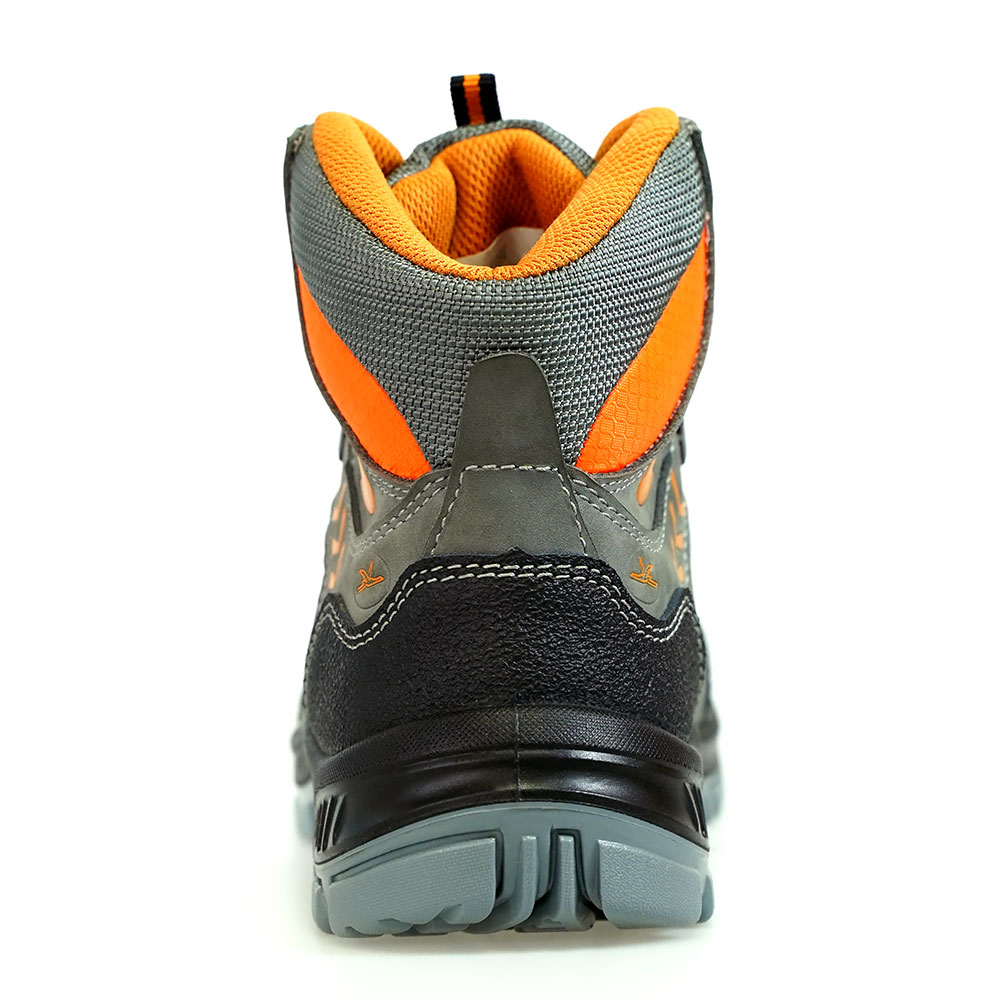
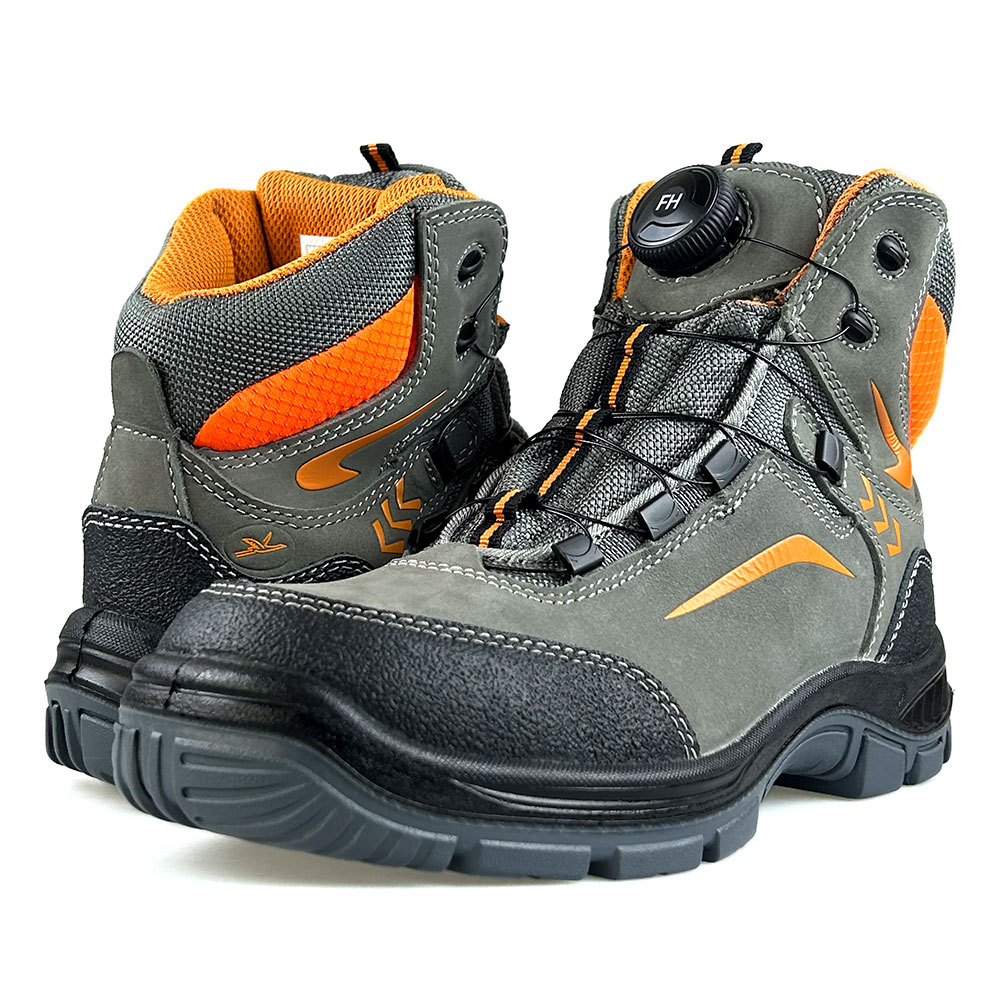
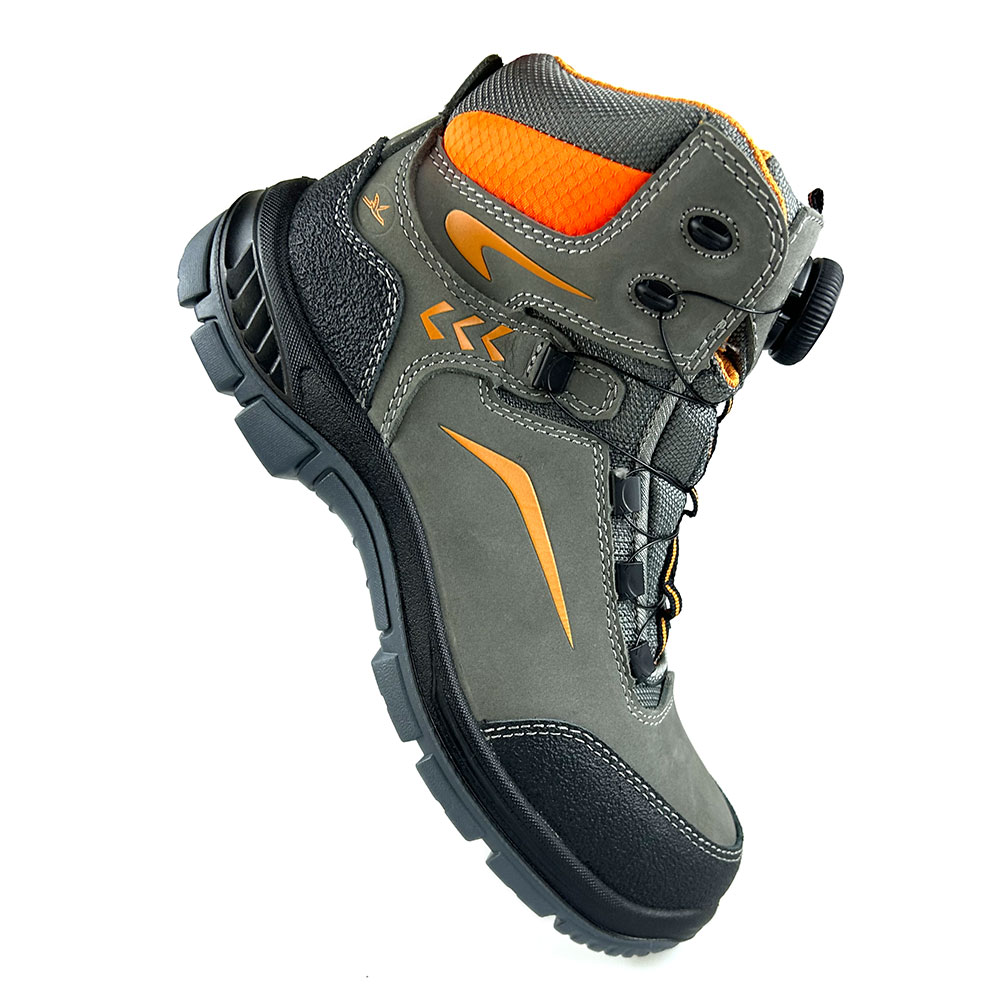
AC16-20901 is for buyers who care about leather upper durability, walking comfort and outsole bonding consistency in a low-cut factory shoe.
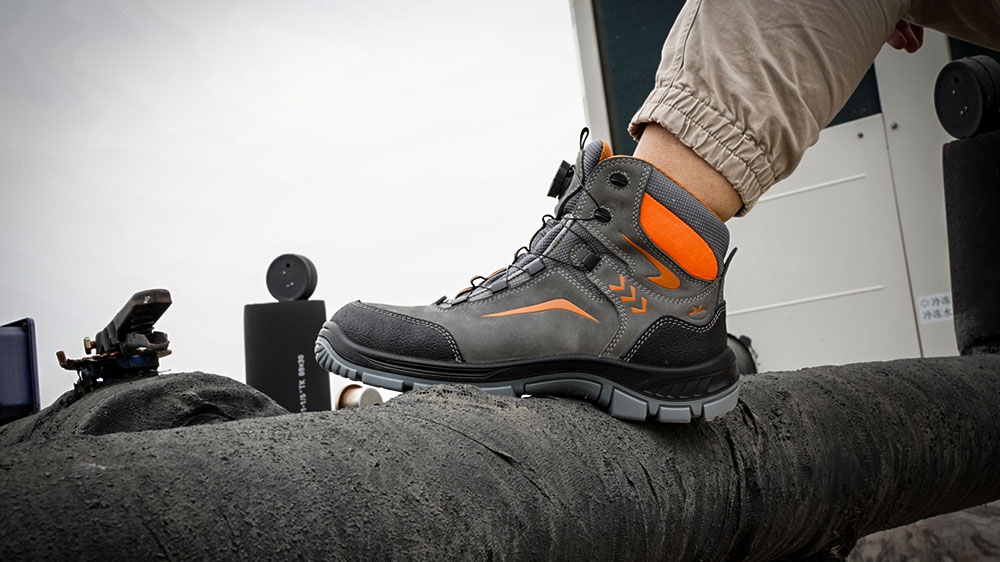
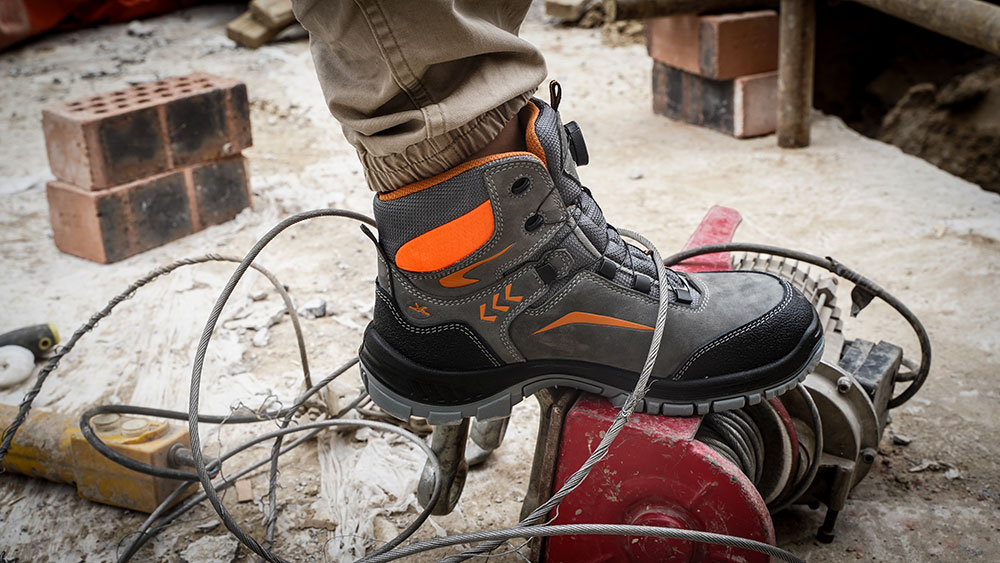
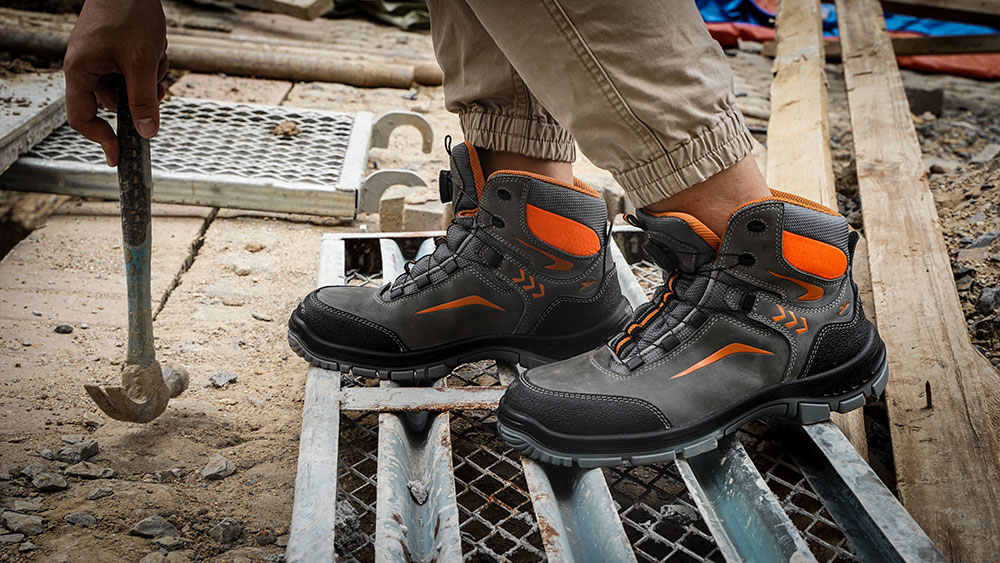
Low-cut safety footwear is often selected when a boot feels too heavy for the task. Workers still need toe protection and outsole durability, but they also need ankle freedom for walking, bending and climbing short steps. This makes the product suitable for factories, inspection teams, warehouse routes and light construction interiors.
The AC16-20901 uses a grey cowhide leather upper with a PU midsole and rubber outsole story. The important buyer message is repeatable construction. Injection molded production can support stable bonding and consistent appearance when the order moves from sample to volume.
Buyer Guide
Why Injection Molded Construction Matters
Bonding consistency
For bulk orders, outsole bonding problems create complaints quickly. A construction-focused page helps buyers ask about process control, not just product appearance.
Low-cut mobility
A low-cut shoe supports more natural ankle movement for warehouse walking and inspection work, while still presenting a protective footwear option.
Material and construction logic
Cowhide leather gives the upper a durable factory story and a cleaner professional look. It works well for buyers who want leather without moving into a high-cut boot.
The PU midsole and rubber outsole combination supports comfort and ground contact. Buyers should match outsole choice to floor conditions, including dust, light moisture and wear expectations.
For OEM buyers, this model should be sampled with attention to outsole bonding, flex point, heel fit and visual consistency. A good sample is not only a photo approval; it is a production-risk check.
To understand repeat-production capability, review Anchen manufacturing facilities and compare general-purpose slip applications in the slip-resistant safety shoes category.
Specification
Low-Cut Leather Shoe Checklist
Sample Testing and Repeat Order Checks
Ask the buyer to flex the sample at the walking crease and inspect the sole edge after trial use. This is more meaningful than approving a static product photo.
Low-cut shoes should be checked for heel hold because workers walk quickly between areas. A loose heel can create complaints even when the length is correct.
For repeat production, keep records of outsole hardness, upper color and approved last fit. These details reduce variation between orders and help importers defend the product when customers compare a new delivery against an earlier sample. If the model is used across several job types, note which departments need more slip resistance and which value lighter movement most. The content should also tell buyers how to inspect the first shipment. Check the sole edge, flex area, heel shape, leather grain and size labels before distributing pairs to workers. Early inspection prevents small production issues from becoming worker complaints and supports a more stable OEM relationship. When this model is sold to importers, the buyer review should explain why injection molded construction matters for order stability. The buyer is not only buying a pair of shoes; they are buying repeatable bonding, shape, sizing and appearance across hundreds or thousands of pairs. That production angle is often missing from low-cut safety shoe pages.
FAQ
FAQ for Low Cut Leather Safety Shoes Buyers
Why choose a low-cut safety shoe?
Low-cut construction gives more ankle mobility for indoor walking and inspection tasks where a tall boot is not required.
What is the key production point?
Outsole bonding and construction consistency are important because bulk buyers need repeatable quality from sample to shipment.
Where does this model fit?
It fits factories, warehouses, light construction interiors and inspection routes that need leather durability with easier movement.