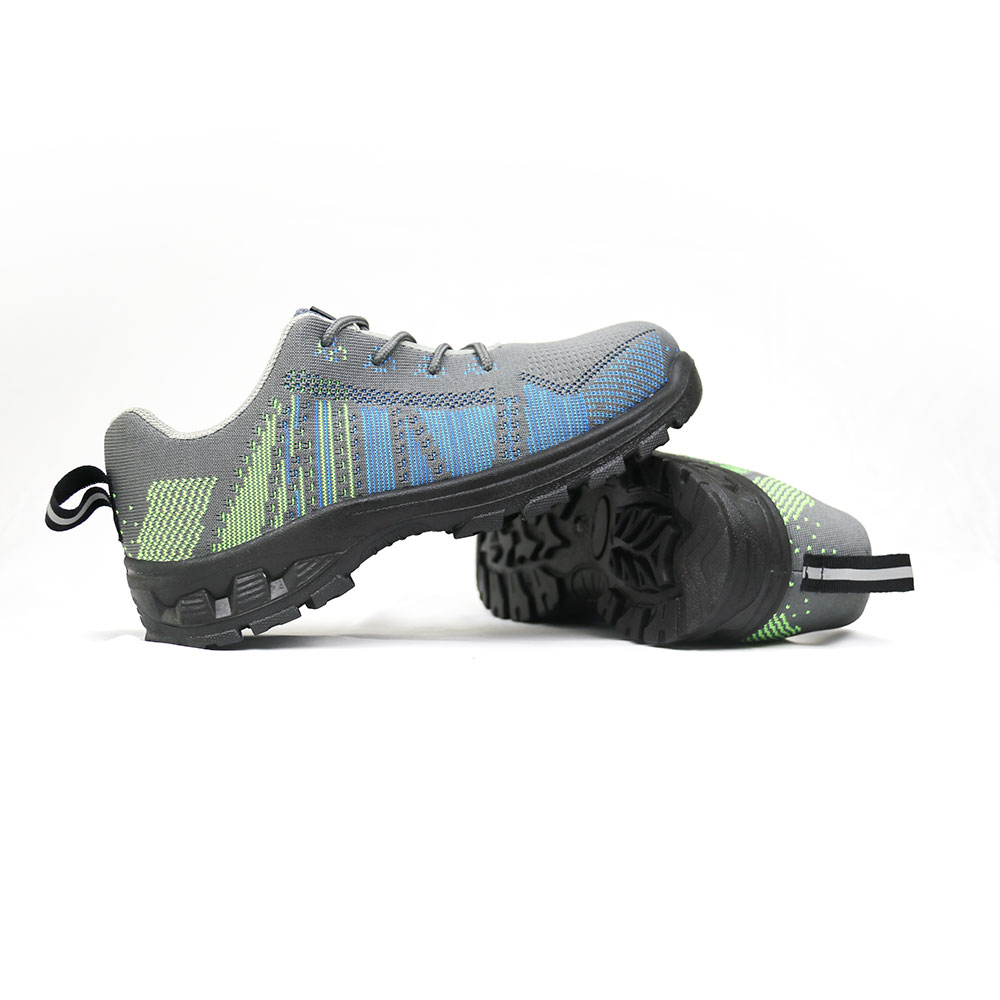
Use Case
Lightweight Flyknit Safety Shoes for Walking-Heavy Work
AC1601 is built for logistics, inspection and light assembly teams that need safety footwear but reject heavy shoes in warm indoor environments.
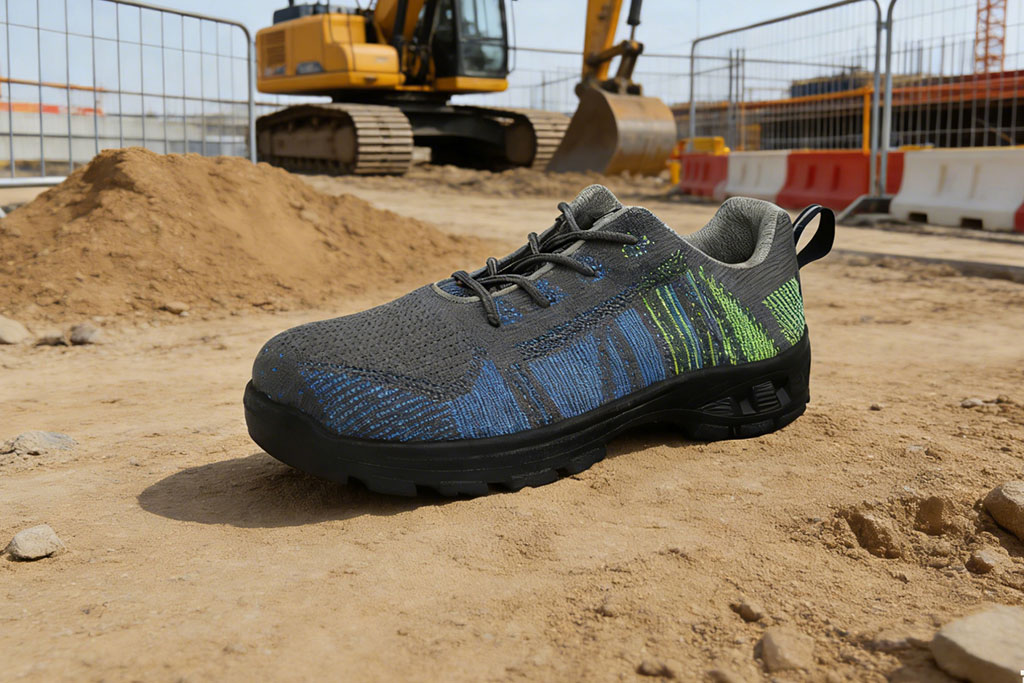
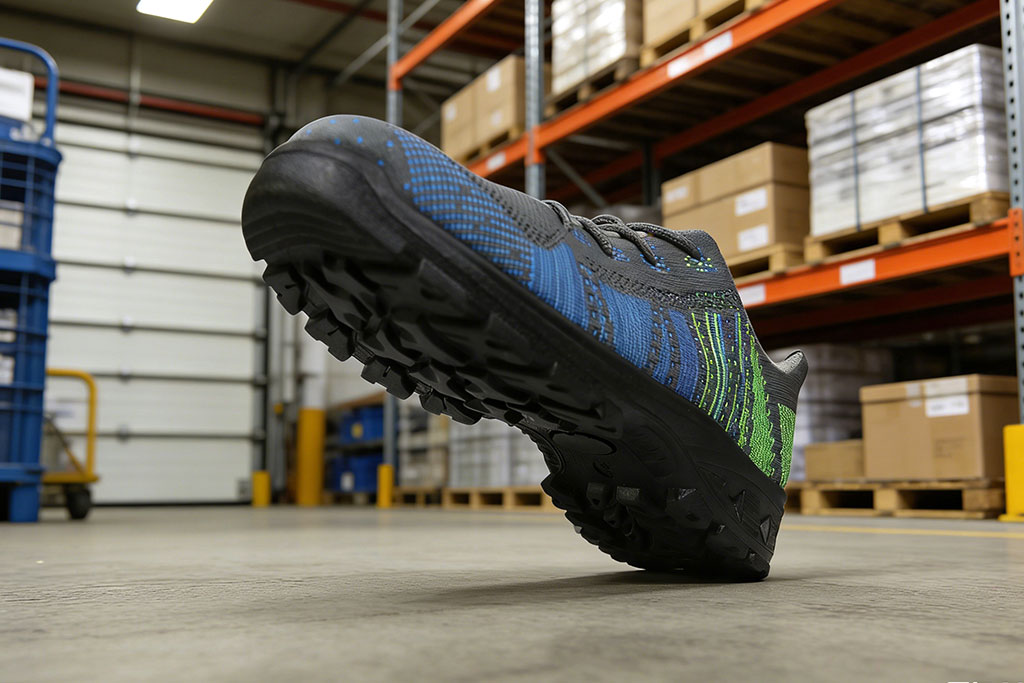
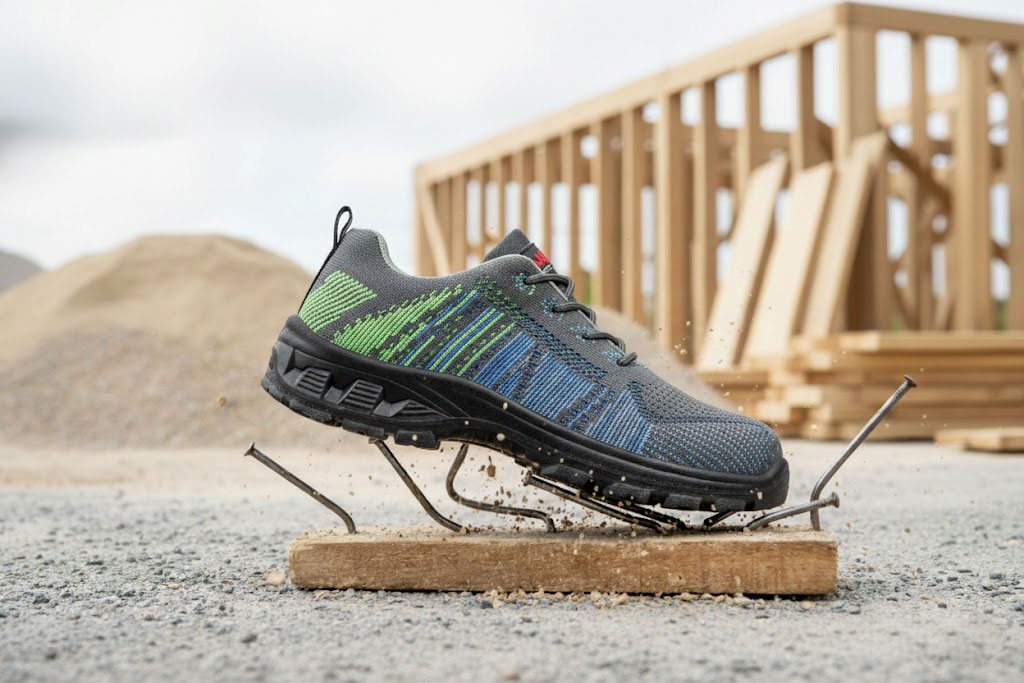
Hot feet and heavy shoes are not small comfort issues. In warehouses and light assembly plants, workers may walk long routes, climb short steps, squat near cartons and stand on concrete. When footwear traps heat or feels heavy, workers may loosen laces or switch to non-protective shoes. A flyknit upper gives buyers a way to discuss breathability and worker acceptance while keeping a safety footwear position.
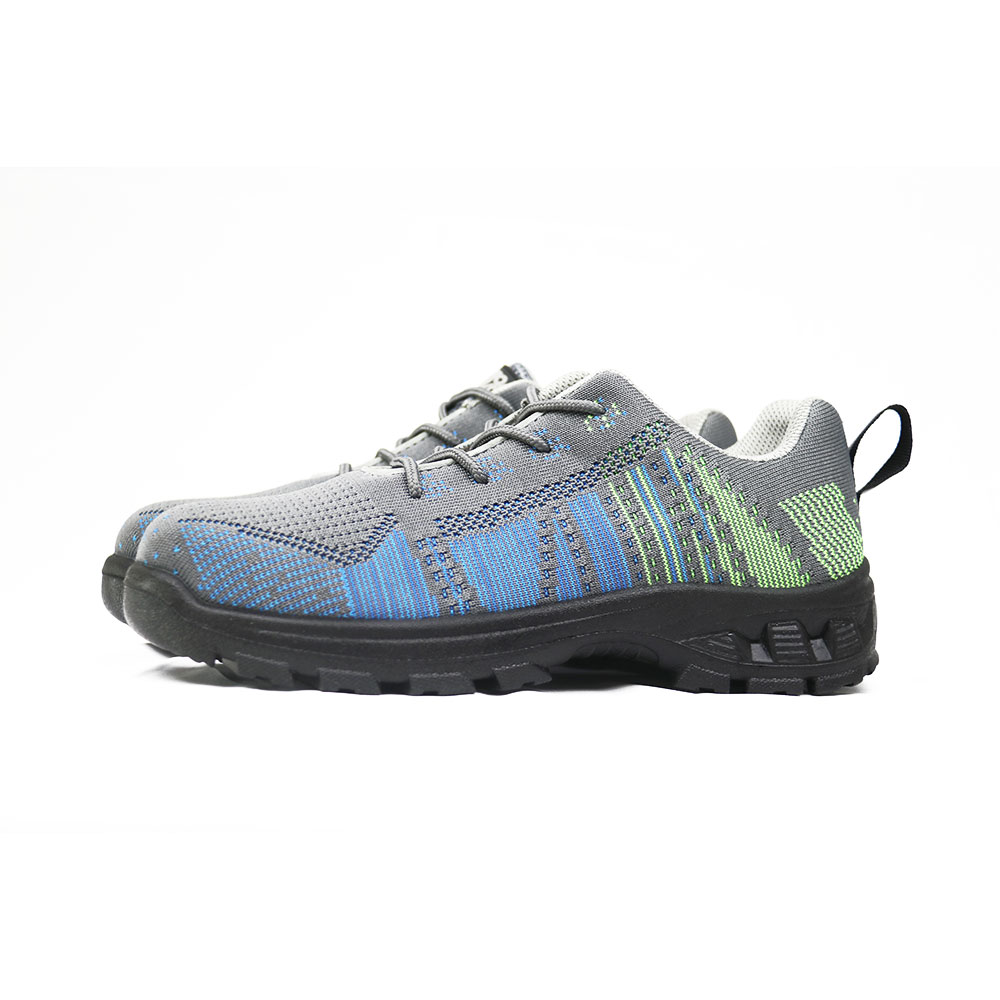
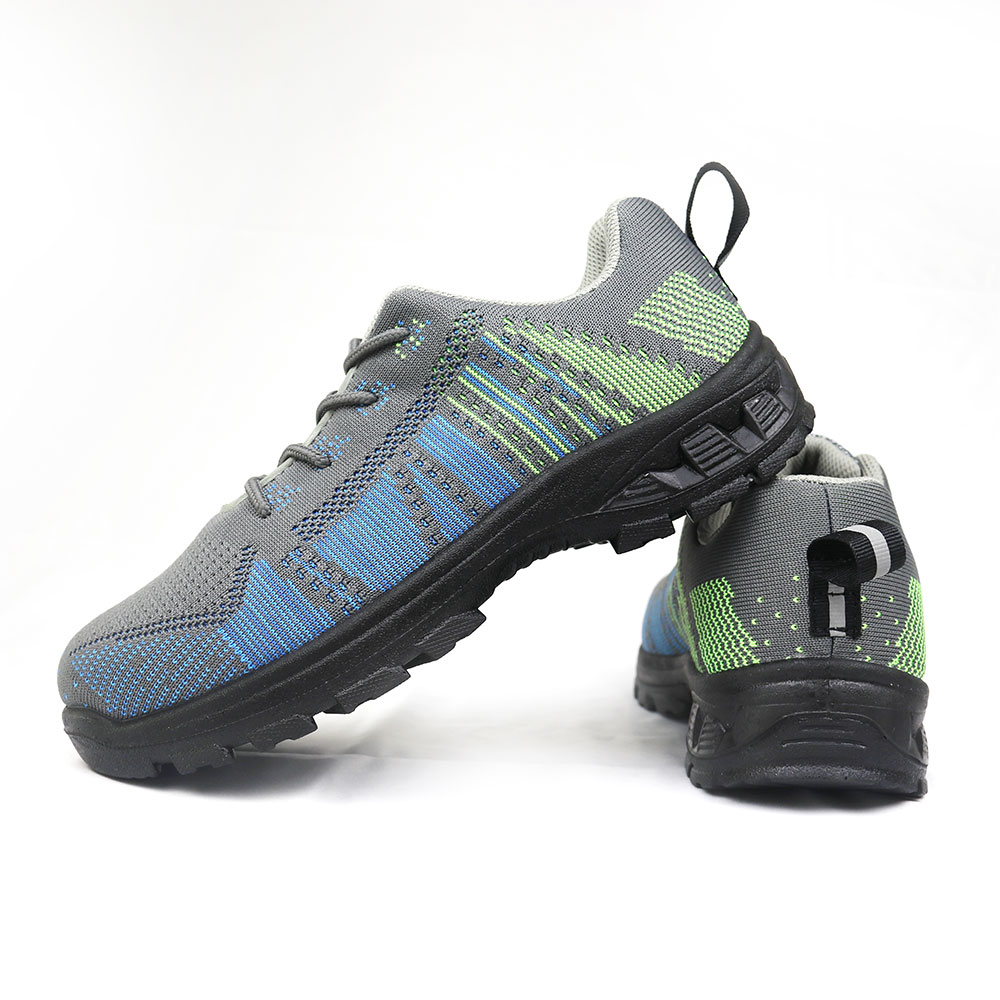
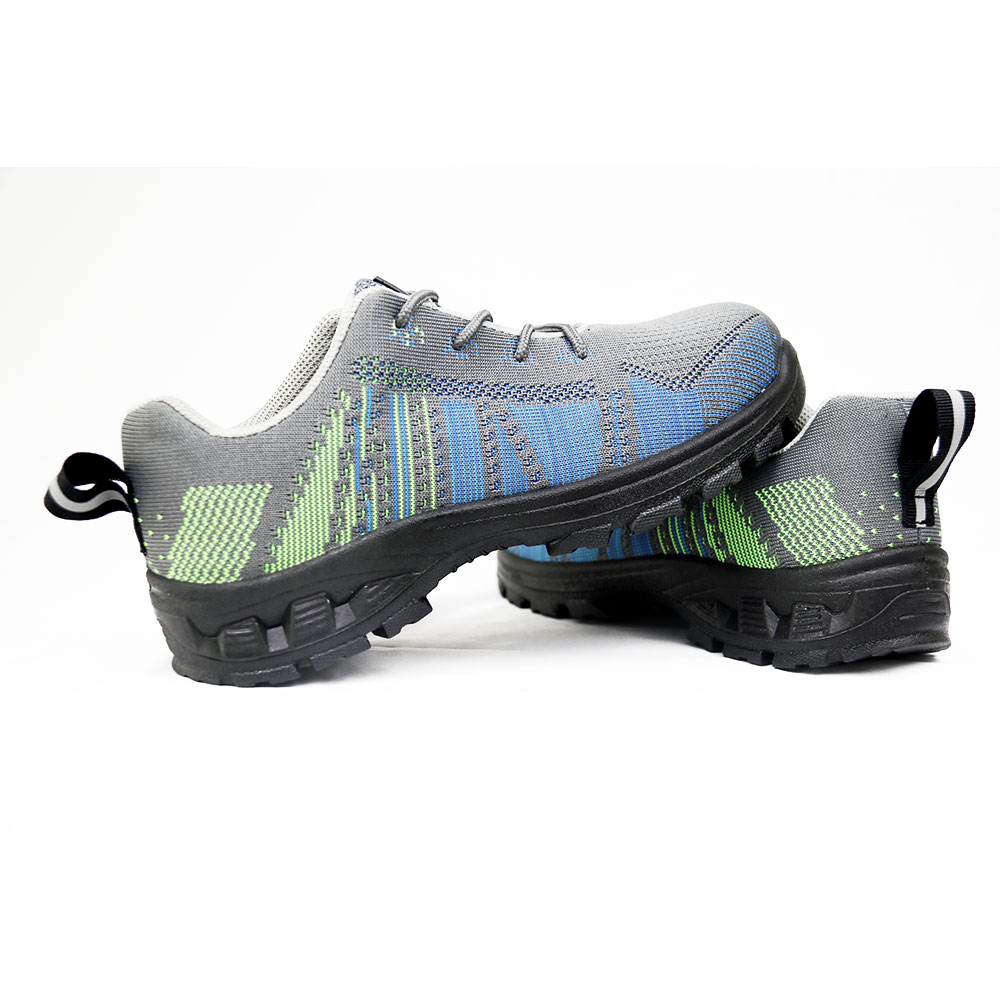
AC1601 uses a one-piece knitted upper concept with safety toe protection and anti-slip sole options. The value is a lighter wearing experience for jobs that require movement rather than heavy outdoor abuse. It is especially useful for logistics teams, order picking, e-commerce warehouses, indoor maintenance checks and factory visitors who still need protective footwear.
The page should make clear that lightweight does not mean casual. Buyers still need to match toe protection, outsole compound and optional features to workplace hazards. The right message is breathable industrial comfort for light to medium environments, not a running shoe with a safety label.
Buyer Guide
How to Buy Breathable Lightweight Safety Shoes
Heat and compliance
When shoes feel too hot, compliance drops. Breathable uppers can support PPE adoption in warm indoor buildings, but the buyer must still check impact and slip needs.
Walking route
A walking-heavy job needs a different comfort story from a fixed station. Test samples on actual routes, not only at a desk.
Material and construction logic
The flyknit-style upper supports airflow and flexibility. It is useful where workers need movement, but buyers should avoid using it in abrasive wet or chemical-heavy zones that demand leather or boot construction.
PU/PU or PU/rubber outsole options let buyers tune comfort, wear and slip needs. The outsole choice should follow the floor: dry concrete, painted warehouse floors, light oil or occasional outdoor transfer.
For OEM programs, confirm upper tension, toe shape, outsole option and lace system before bulk production. Lightweight products depend heavily on fit; small last changes can change worker feedback.
For comfort-led category planning, review ergonomic safety footwear solutions and confirm sample requirements through Anchen OEM service.
Specification
Flyknit Safety Shoe Checklist
Sample Testing and Repeat Order Checks
Run sample feedback with workers who walk for several hours. A lightweight shoe should be judged after heat, sweat and foot swelling appear, not only when first worn.
Ask whether the workplace includes oil, water or outdoor transfer. If yes, outsole choice may matter more than upper breathability.
For repeat order planning, collect comments about heat, weight, toe room and outsole wear by department. This data helps distributors position the model as a walking-comfort product and prevents overuse in heavy hazard areas. A clear use boundary makes the page more credible to safety managers. Buyers should also compare the model against a heavier leather shoe during the same route. If workers notice less heat and less leg tiredness without losing confidence in toe protection, the lightweight claim becomes practical evidence. For catalog content, include the job route, floor type and outsole option so the page answers real selection questions rather than only repeating the word lightweight. For procurement teams, the useful check is not only the shoe weight on a scale but the total friction a worker feels during the day. Confirm whether the upper flexes cleanly at the ball of the foot, whether the collar edge stays soft after repeated bending, and whether the outsole compound remains stable after cleaning. A flyknit model should be sampled with the socks and insoles used in the target market because breathability, fit perception and heel hold can change quickly when those details change.
FAQ
FAQ for Lightweight Flyknit Safety Shoes Buyers
Is flyknit suitable for every factory?
No. It is best for warm, dry or lightly contaminated indoor work where breathability and movement matter.
Why choose flyknit for warm indoor work?
Flyknit can improve airflow and reduce the heavy feeling of traditional uppers. That makes it useful for warehouses, packing teams and workers who walk long routes during a shift.
What should buyers test?
Test heat comfort, toe room, outsole grip and upper durability on the actual walking route before confirming a bulk order.