Use Case
Leather Work Shoes for Factory Uniform Programs
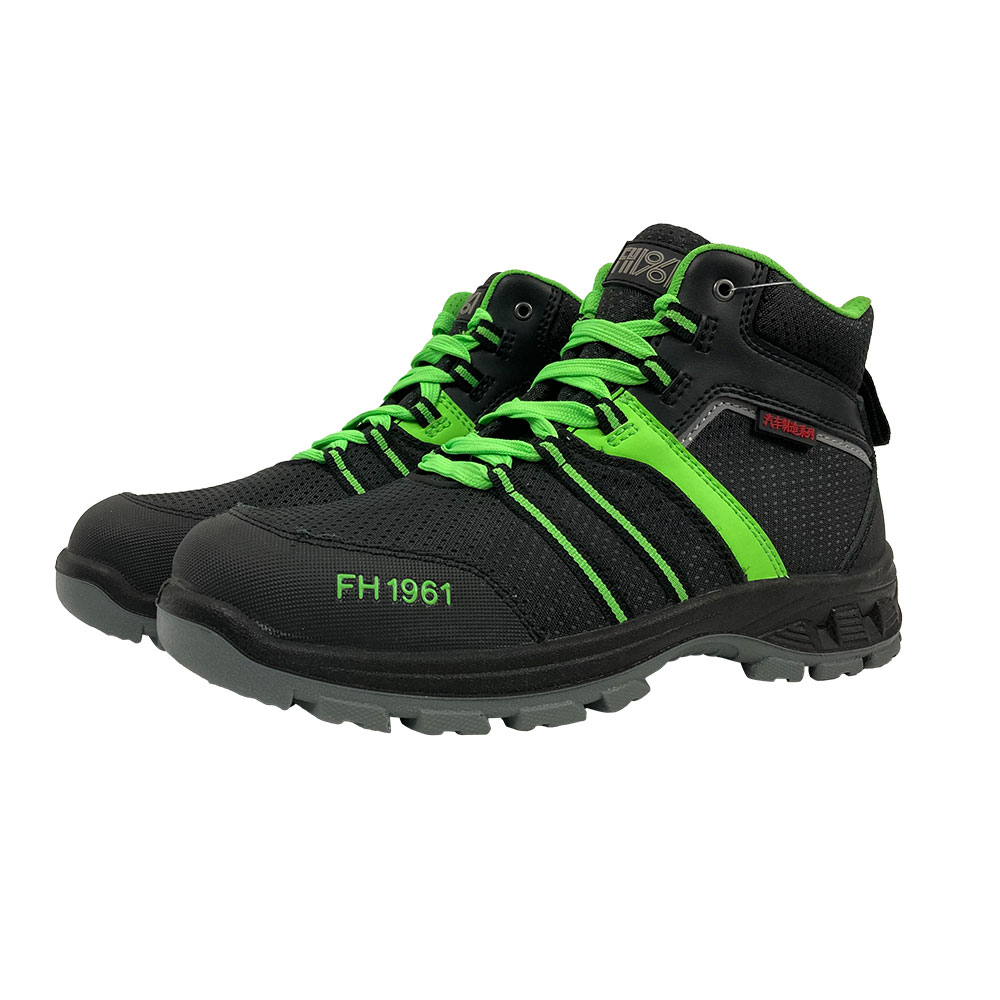
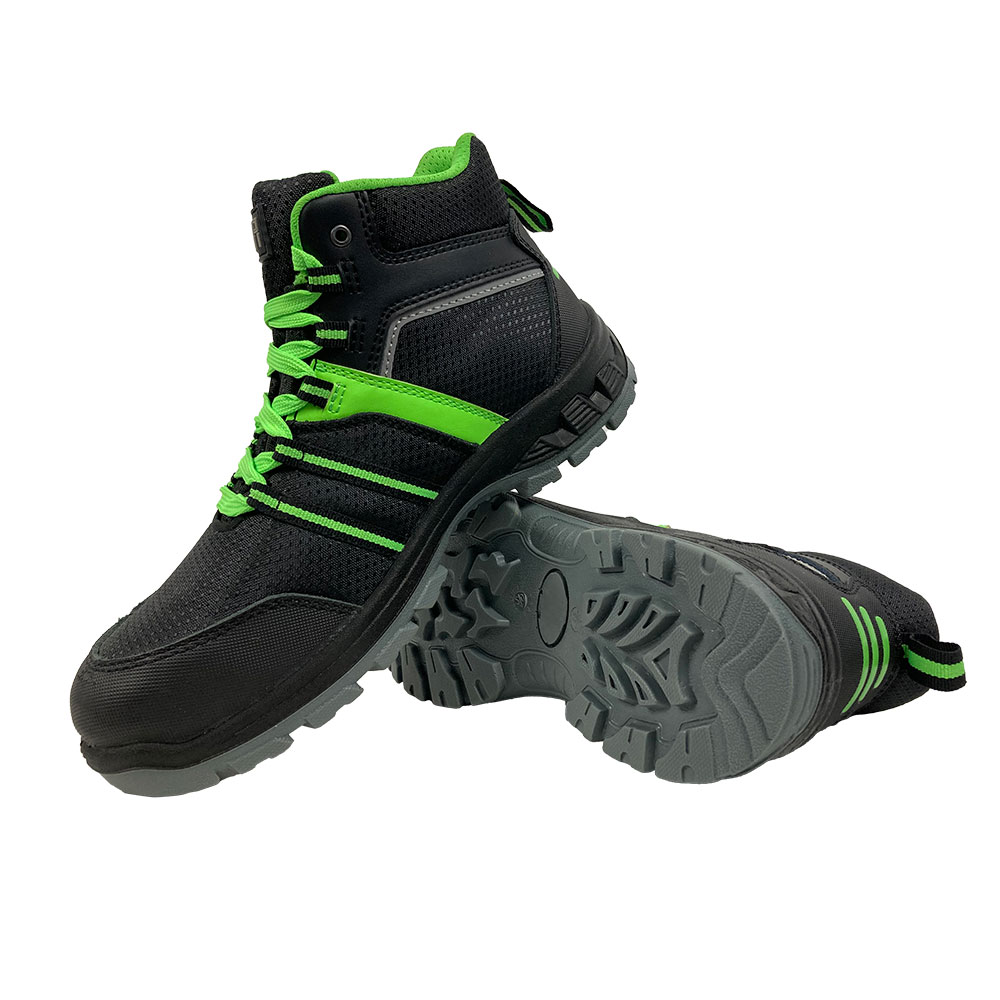
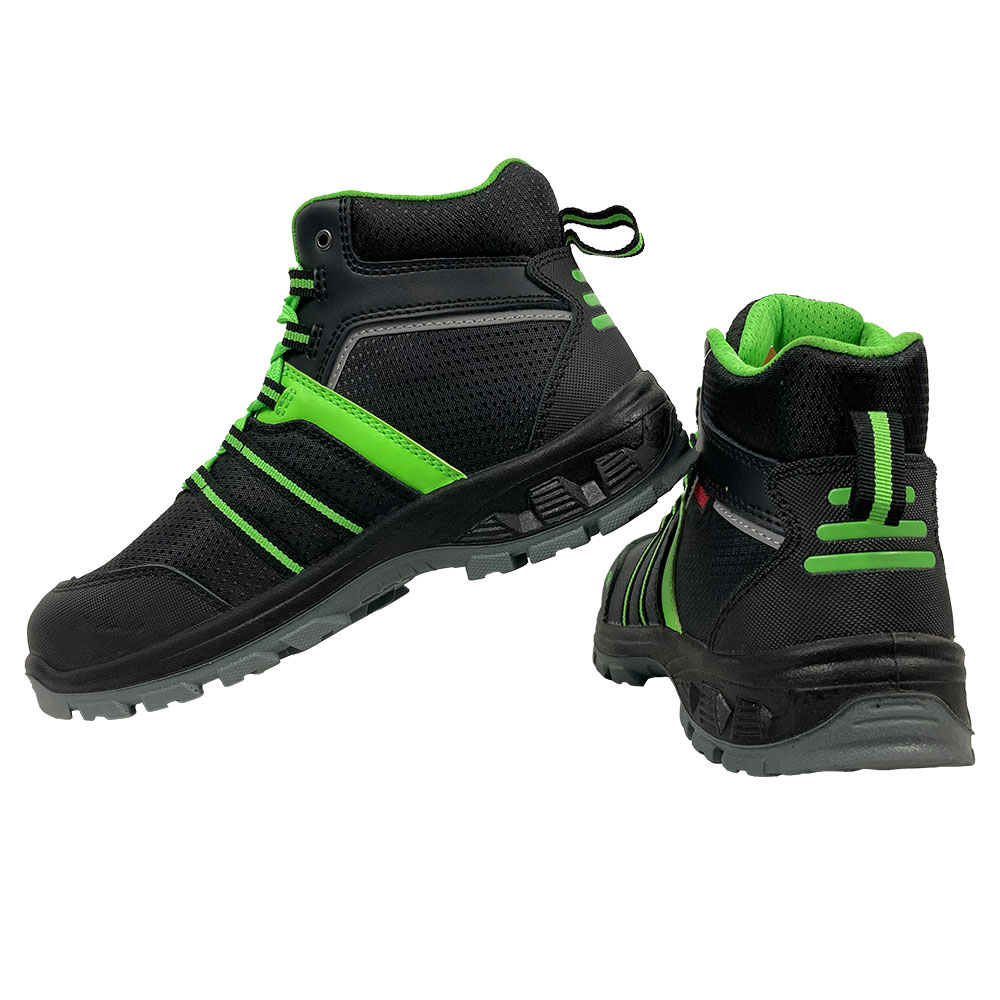
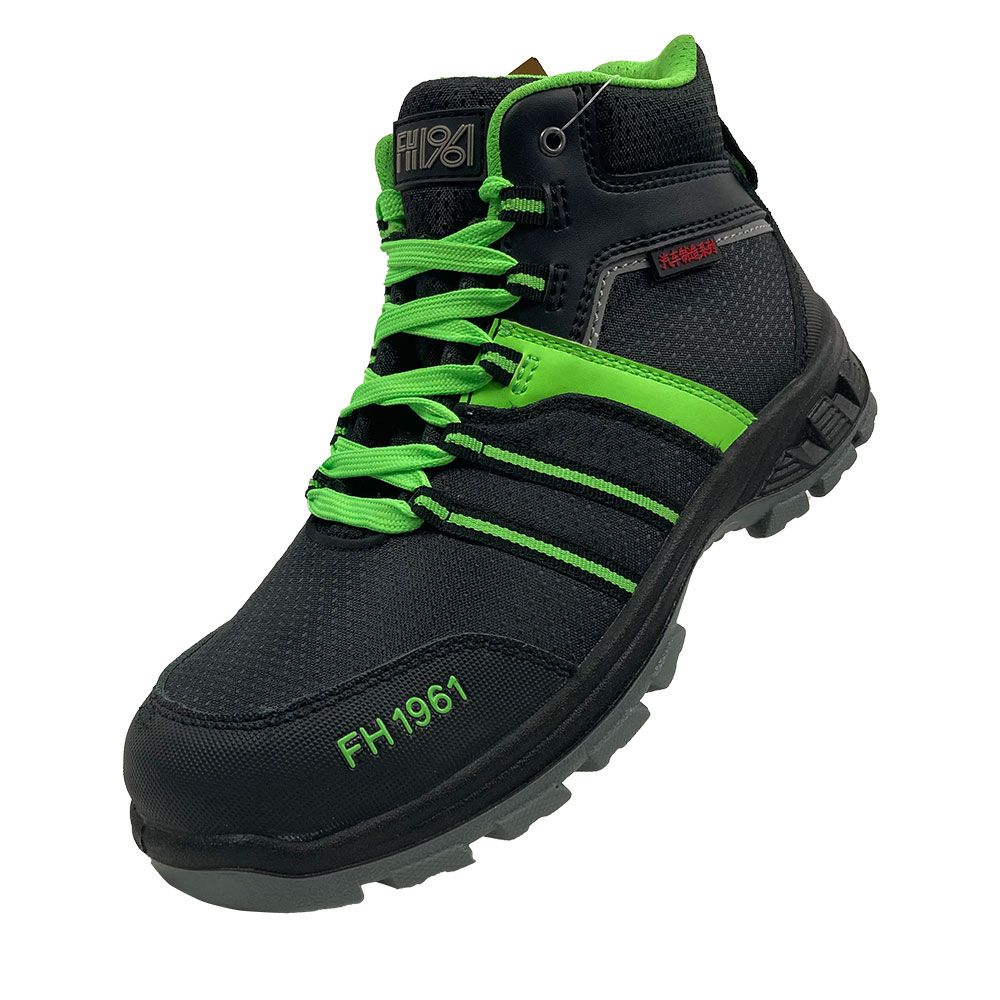
AC1918 is a full-grain leather work shoe for buyers who need a professional upper, breathable lining and repeatable comfort for factory support roles.
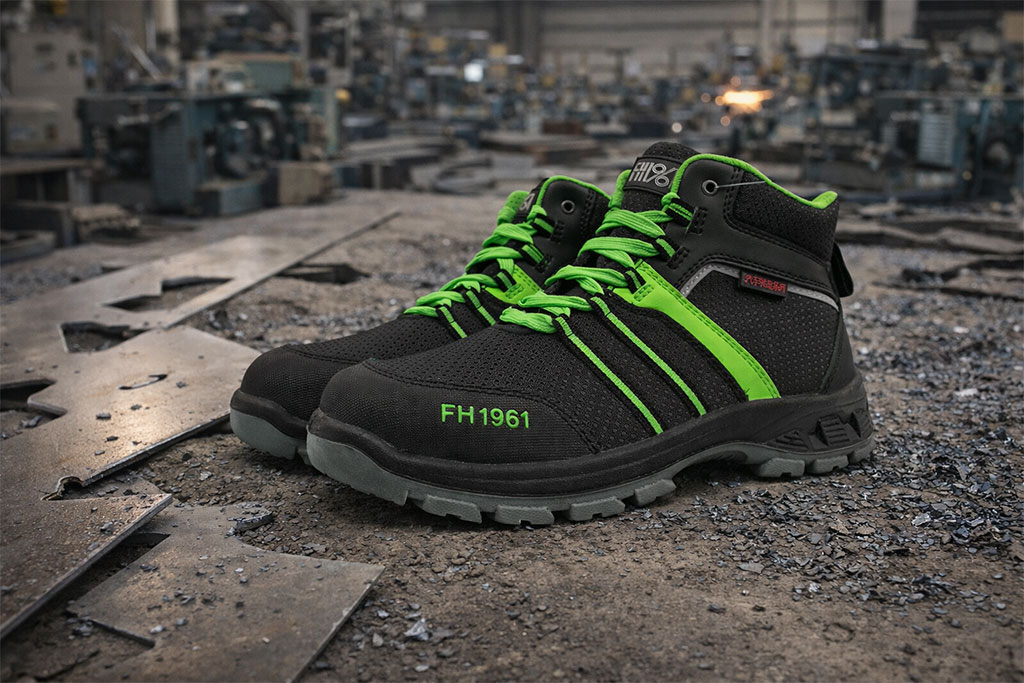
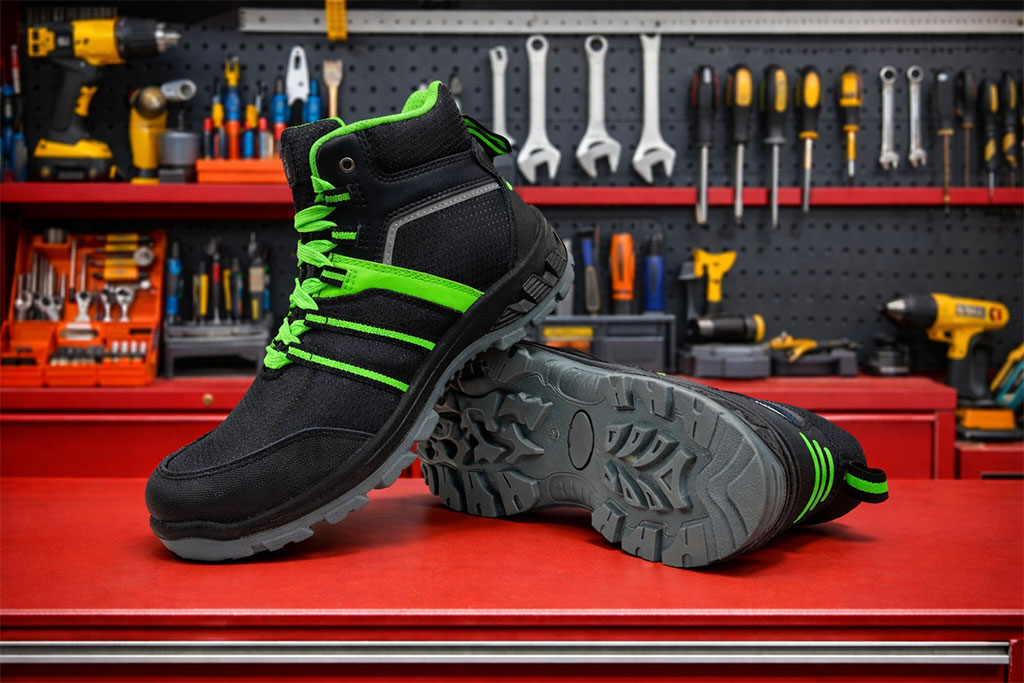
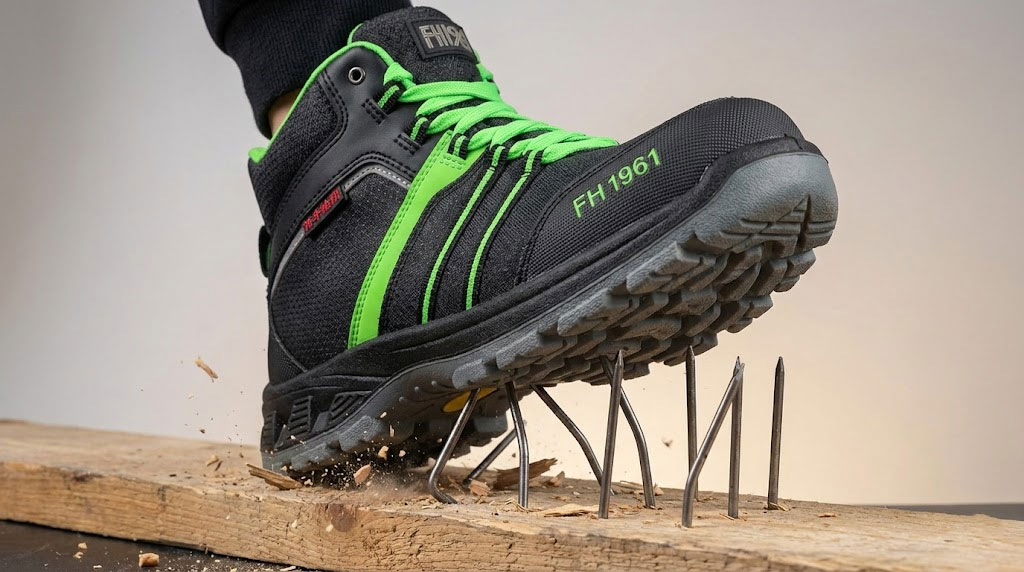
Not every industrial buyer is shopping for the heaviest boot. Supervisors, inspectors, warehouse coordinators and factory visitors may need work footwear that looks professional and supports walking comfort. A full-grain leather upper gives a more formal appearance while still belonging in an industrial footwear catalog.
AC1918 uses an embossed full-grain leather upper, breathable mesh lining, padded tongue and comfort insole. The content should help buyers understand where this type of shoe fits: dry factory routes, visitor PPE programs, light warehouse supervision and private-label uniform footwear.
The page should avoid overstating hazards that are not clearly part of the model. Instead, it should focus on upper quality, fit, breathability, insole comfort and bulk supply details. That makes the page useful for buyers who are comparing leather work shoes rather than reading another generic safety boot page.
Buyer Guide
When a Leather Work Shoe Makes Sense
Professional appearance
Full-grain leather helps the shoe look suitable for supervisors and customer-facing plant visits while remaining more durable than casual footwear.
Daily walking comfort
Breathable lining, padded tongue and comfort insole matter when the user walks between departments rather than standing at one heavy-duty station.
Material and construction logic
Embossed full-grain leather gives a premium upper story. It is useful for importers who need a model that can sit between casual work shoes and heavy industrial boots.
The outsole and insole should be evaluated around walking comfort and appearance retention. Buyers should ask how the shoe feels after several hours and how the upper looks after contact with dust and racks.
For OEM programs, define whether the shoe is for protective visitor programs, supervisor uniforms or light-duty worker use. The answer changes wording, carton labeling and size planning.
For factory supply capability, review Anchen manufacturing facilities and compare product range planning in wholesale OEM safety footwear.
Specification
Leather Work Shoe Checklist
Sample Testing and Bulk Order Checks
Ask the buyer to define the role of the wearer. Supervisor footwear and production-line footwear need different hazard language.
Inspect upper finish after light dust and rack contact. A leather work shoe must keep a professional appearance if that is the main selling point.
For repeat orders, track comments about lining heat, tongue pressure and outsole wear. These details help a distributor refine the product without turning it into a heavy boot that no longer matches the original buyer need. The buyer should also decide whether the page should be indexed as a light industrial work shoe or as a safety shoe with optional protection. That wording affects search intent and customer expectations. A professional leather work shoe page can create value by helping purchasers choose between office-adjacent plant footwear and heavier PPE for production hazards. For this leather work shoe page, the important buying question is how quickly a mixed workforce can accept the model. A shoe may be technically correct but still fail if the last is too narrow, the collar feels harsh, or the sole feels heavy during long walking routes. Importers can reduce that risk by sampling several sizes, checking the flex point against local foot shapes, and confirming packaging labels before bulk production. That practical process matters as much as any single material claim.
FAQ
FAQ for Leather Work Shoes Buyers
Is this a heavy-duty boot?
No. It is positioned as leather work footwear for dry factory and supervision roles.
Why target leather work-shoe intent?
Buyers often search leather footwear when they care about appearance, upper quality and uniform use.
What should OEM buyers confirm?
Confirm user role, logo placement, packaging and any required safety options before sample approval.