Use Case
High Cut Steel Toe Shoes for Ankle Coverage
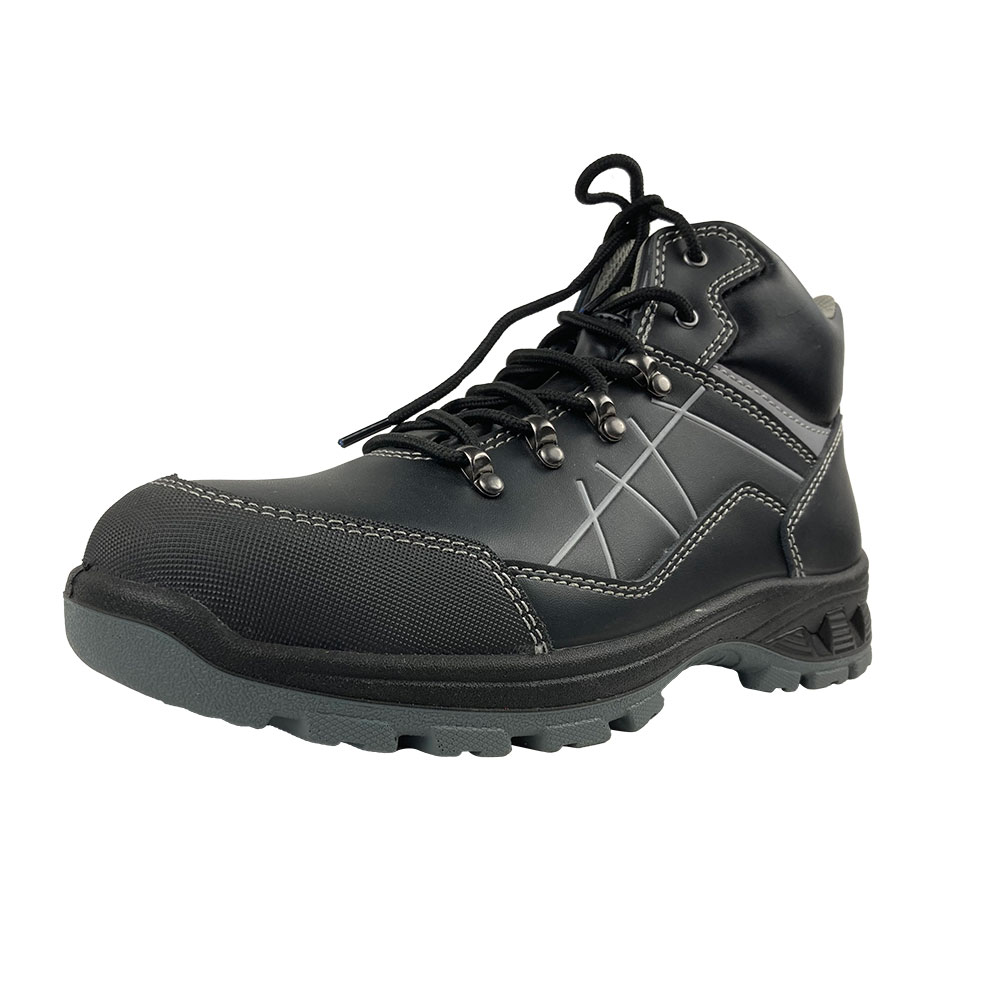
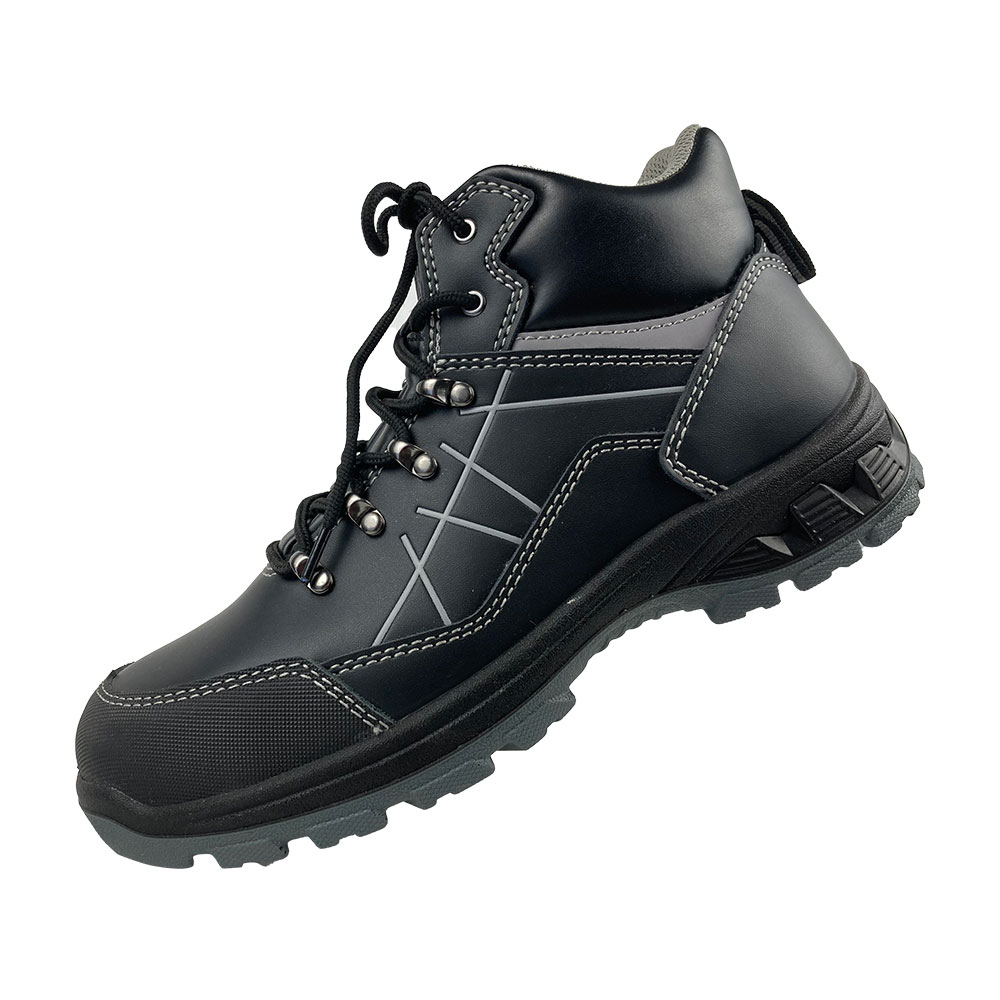
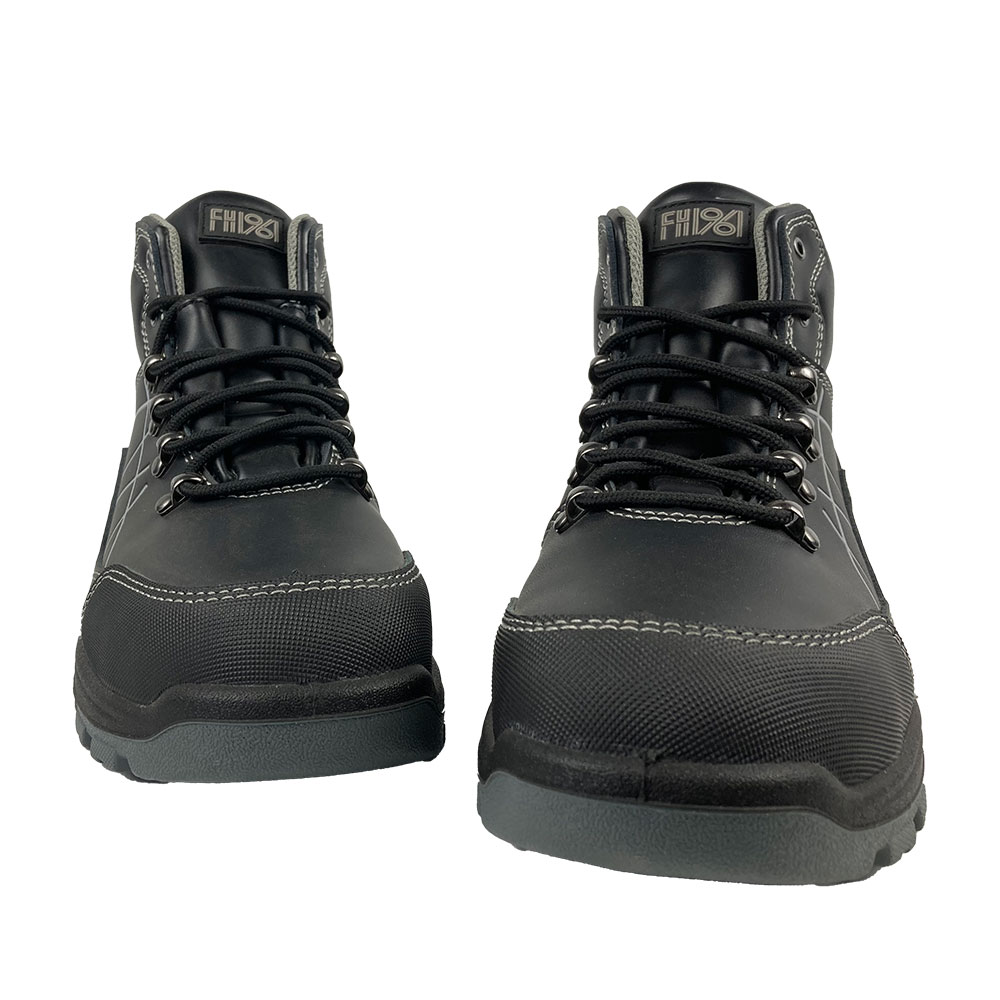
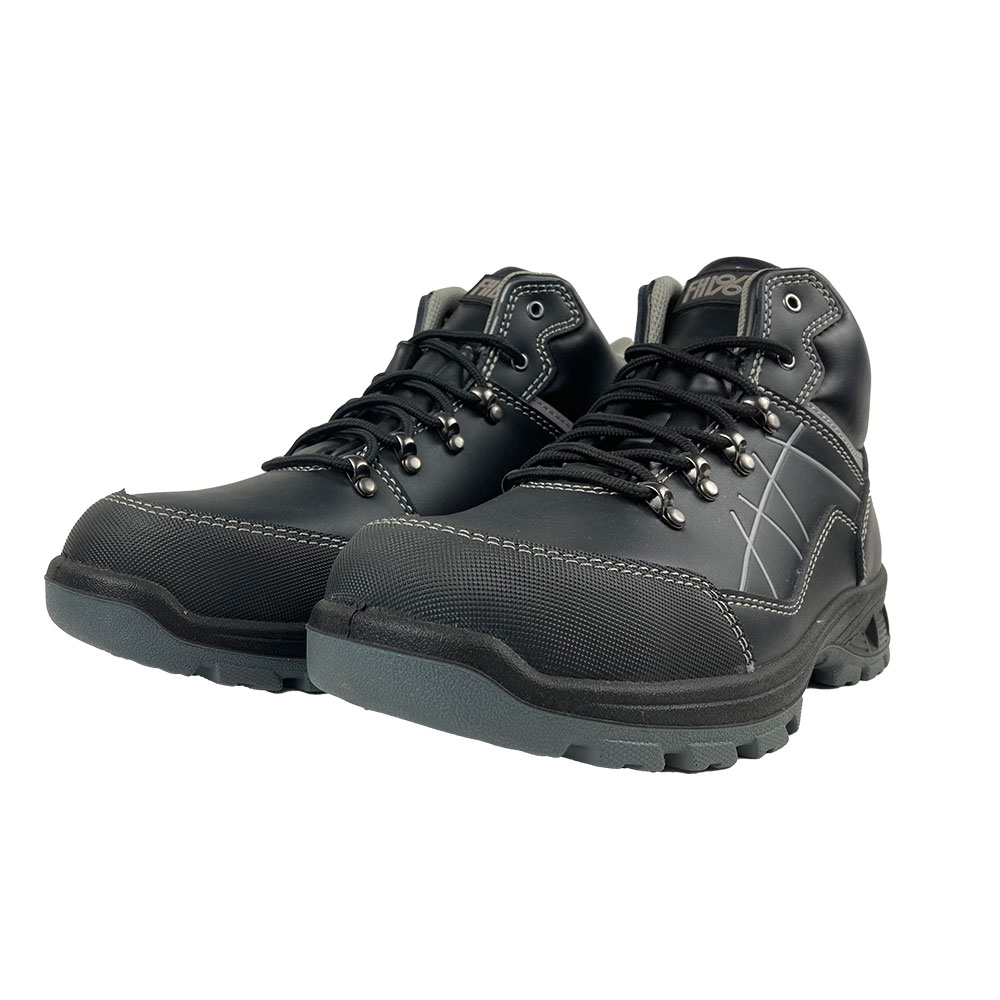
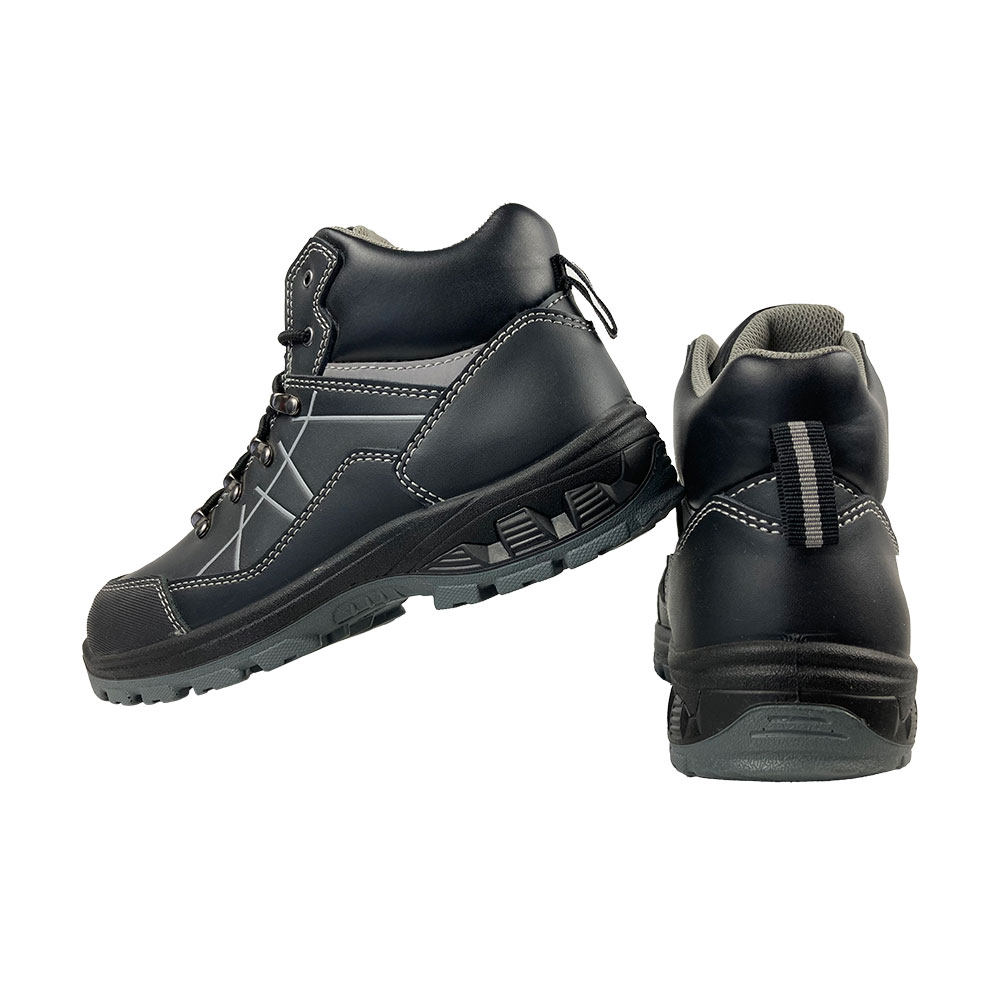
AC2007 is a high-cut buffalo leather safety shoe for industrial teams that want more ankle coverage than low-cut models without moving to a heavy boot.
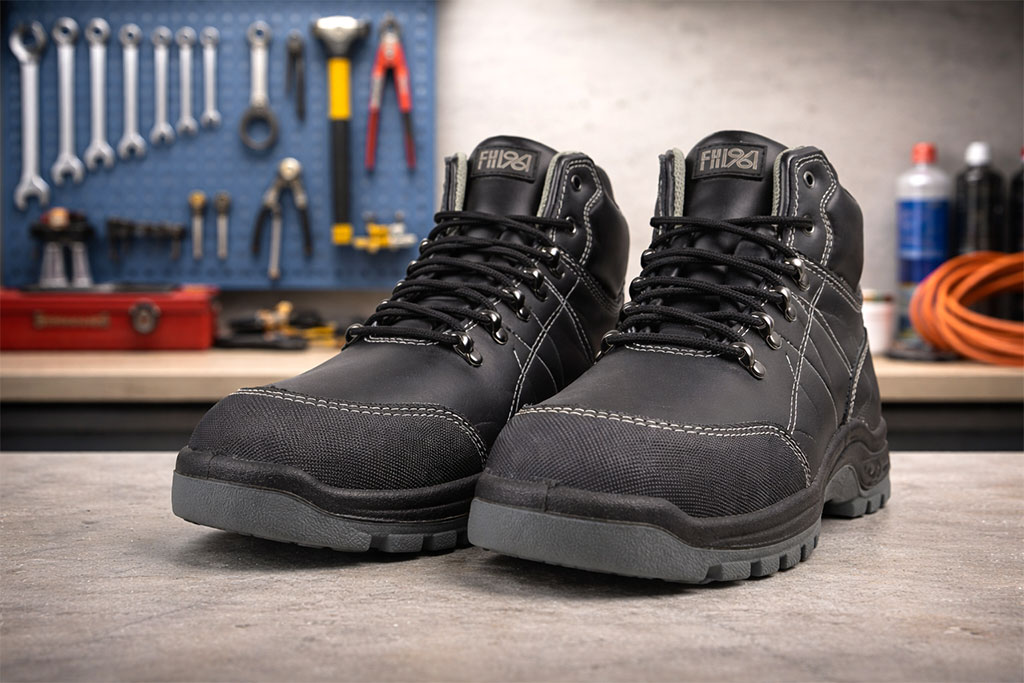
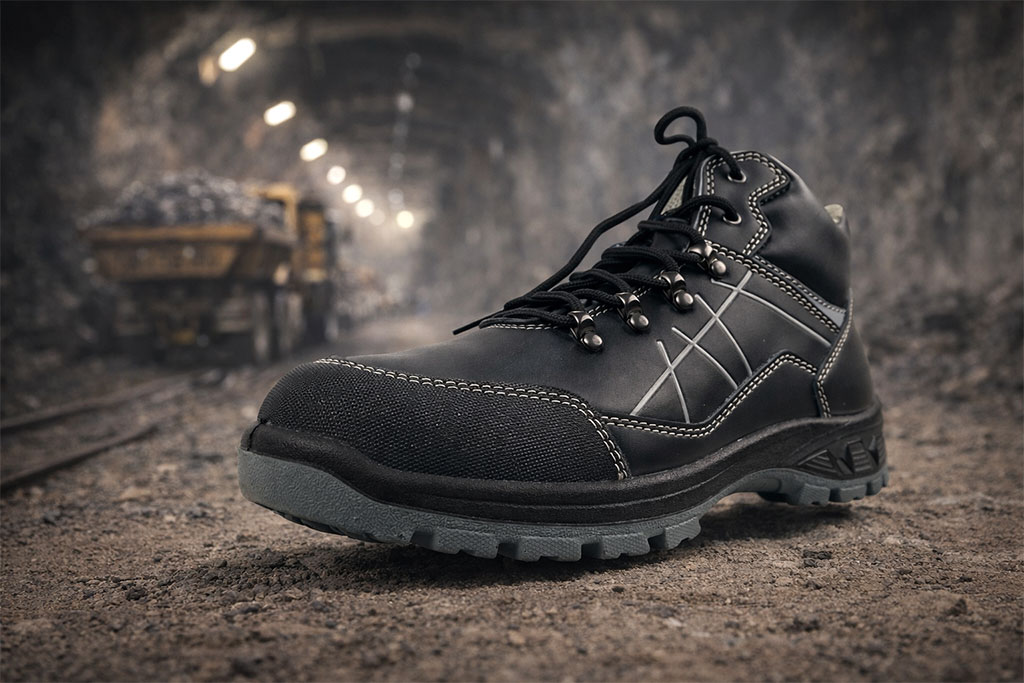
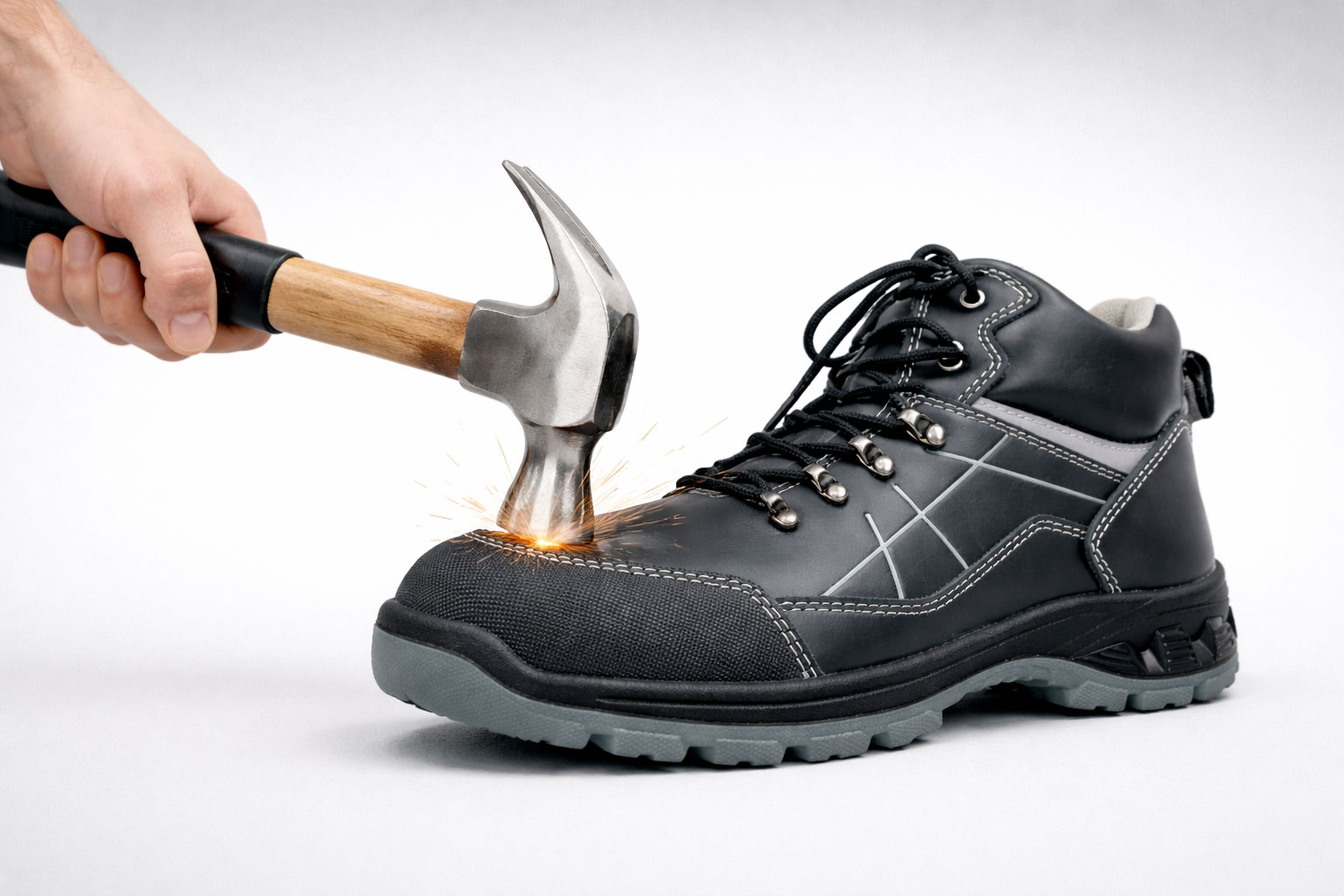
High cut safety shoes are often chosen after a buyer sees workers moving between uneven yards, warehouse ramps, low steps, ladders, machine platforms or outdoor loading spaces. The goal is not to claim that a higher collar prevents every ankle injury. The real value is added coverage, a more secure lacing zone and a work-shoe shape that feels more stable than a low-cut shoe for mixed walking routes.
AC2007 uses breathable buffalo leather, steel toe protection and a PU/PU dual-density sole. It should be positioned for plant departments where employees carry tools, push carts, walk across slightly uneven ground or move between indoor and outdoor surfaces. The high-cut form gives distributors another option for buyers who do not want a tall winter boot but still ask for more support around the ankle area.
Safety managers also need clear limits. If workers are on rugged construction terrain, climbing frequently, or exposed to deep mud and water, a dedicated boot may be better. AC2007 is strongest as an industrial high-cut shoe: factory maintenance, logistics yards, assembly plants, spare-parts storage and general workshop use where impact protection and daily comfort remain central.
Buyer Guide
When High Cut Makes Sense
Movement pattern
High-cut models are useful when workers turn, step and climb often enough that a low-cut shoe feels too open around the ankle.
Comfort still matters
If the collar is too stiff or the heel fit is poor, workers will loosen the laces and lose the benefit of the design.
Material and construction logic
The buffalo leather upper offers a durable industrial appearance and gives the high-cut shoe a structured feel. Breathable lining keeps the page focused on day-long wear, not only rugged appearance.
A PU/PU dual-density sole supports cushioning and factory floor wear. Buyers should ask whether the team needs oil resistance, puncture protection or a higher-traction outsole for special surfaces.
Bulk sampling should include bending, stair walking, kneeling and cart-pushing tasks. Those movements reveal whether the collar height works for the target users before a larger order is confirmed.
For heavier industrial environments, compare heavy industry safety footwear options and review production capability on Anchen factory capability.
Specification
High Cut Fit Checklist
Sample Testing and Bulk Order Checks
A high-cut shoe should be tried with the socks workers actually use. Thick socks, orthotic inserts and narrow trouser hems can change the way the collar feels. Ask sample wearers whether the ankle edge rubs after bending or climbing stairs.
Procurement teams should also check how the shoe looks with uniforms. In some factories, supervisors prefer a clean black leather upper because it works for visitors, maintenance staff and production workers. This can make one model easier to reorder across departments.
The page gives buyers a decision framework rather than a single promise. It explains that ankle coverage, toe protection, outsole comfort and correct fit must work together. That is the kind of knowledge content a purchaser can forward to safety managers when they compare low-cut shoes, high-cut shoes and heavier boots. For catalog planning, high-cut models can sit between low-cut safety shoes and rugged work boots. That middle position is valuable because many buyers do not need a tall boot but still want more coverage and a secure lacing feel. A distributor can present AC2007 for indoor and semi-outdoor departments, then offer heavier boots only when terrain, water or impact hazards require them. This makes the product page useful for product-line segmentation, not just one SKU description. It also helps buyers avoid over-ordering boots where a lighter high-cut shoe would improve daily acceptance.
FAQ
FAQ for High Cut Steel Toe Shoes Buyers
When is a high-cut safety shoe a better choice?
High-cut designs are useful when workers need more collar coverage around uneven floors, stairs, loading areas or job sites where ankle confidence matters during movement.
Does a high-cut shoe replace full ankle protection?
No. It can improve coverage and fit stability, but buyers should still match the footwear to the actual hazard level, floor condition and workplace safety rules.
What should distributors check before ordering?
Review collar comfort, sock thickness, toe room, outsole grip and bending comfort with real workers before confirming the final size run and packaging plan.