Use Case
Fleece Lined Safety Shoes for Cool Work Areas
AC15-1207FM answers a common winter purchasing problem: workers need warmer footwear, but the job may not require a heavy outdoor boot.
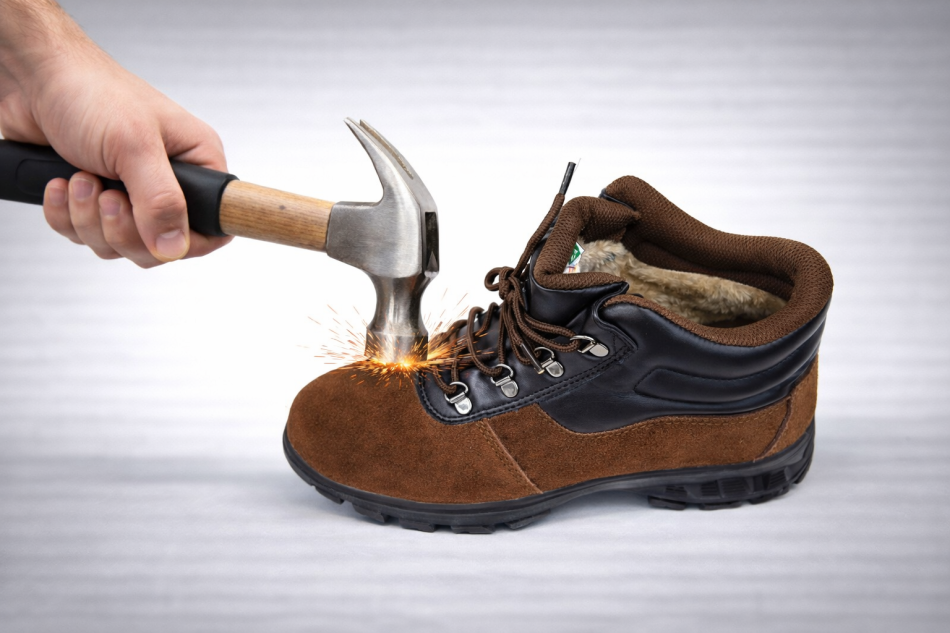
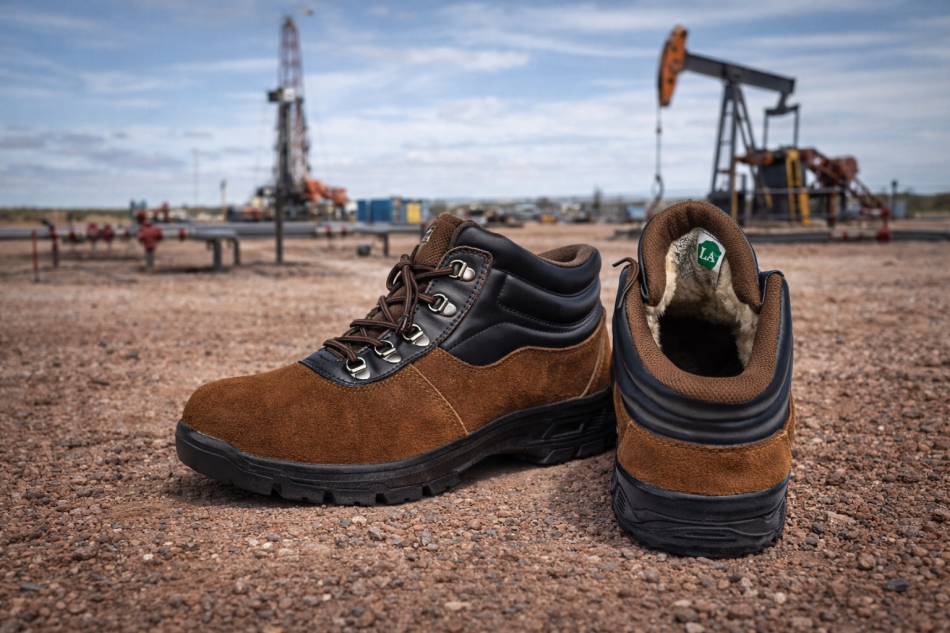
Cold discomfort changes how workers move. In a cool warehouse, loading bay or unheated workshop, a worker who feels cold through the foot may walk faster, shorten breaks in safe zones or add thick socks that change the fit inside the protective toe. A fleece lined low-cut shoe helps buyers address warmth without forcing every worker into a high boot.
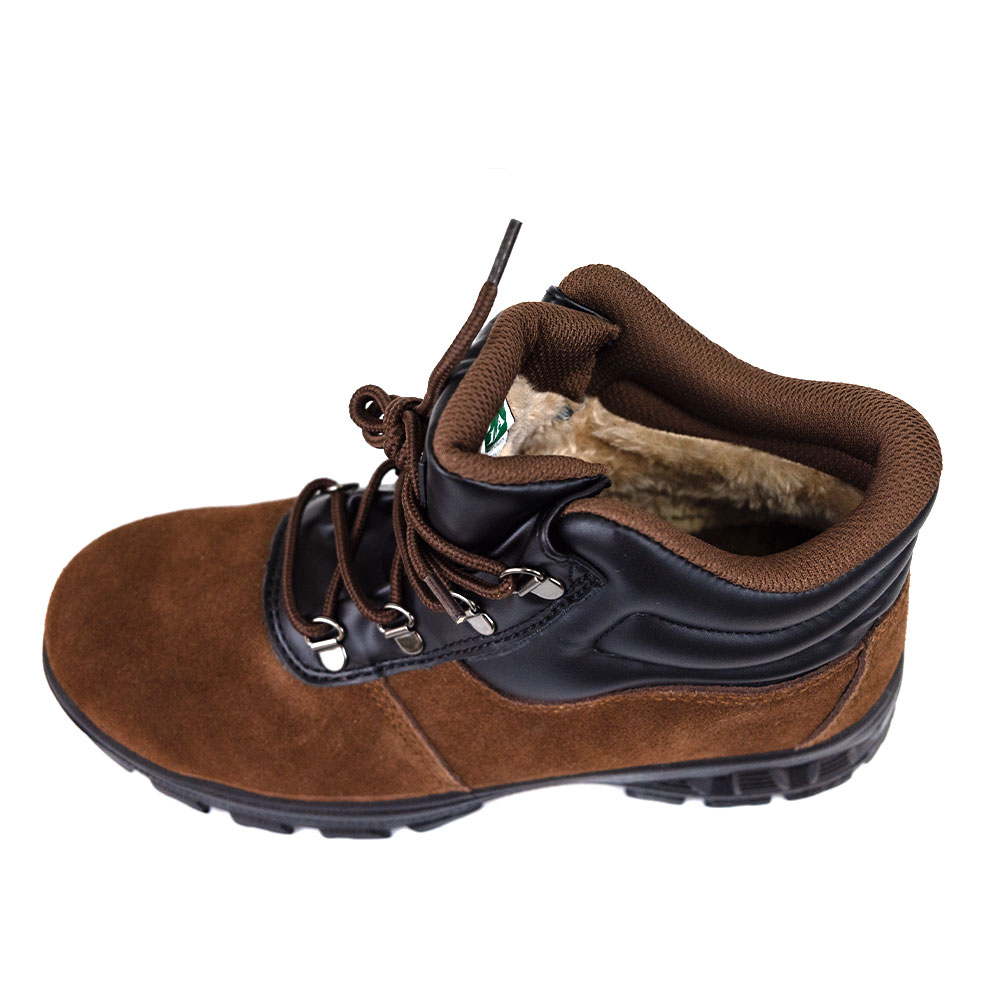
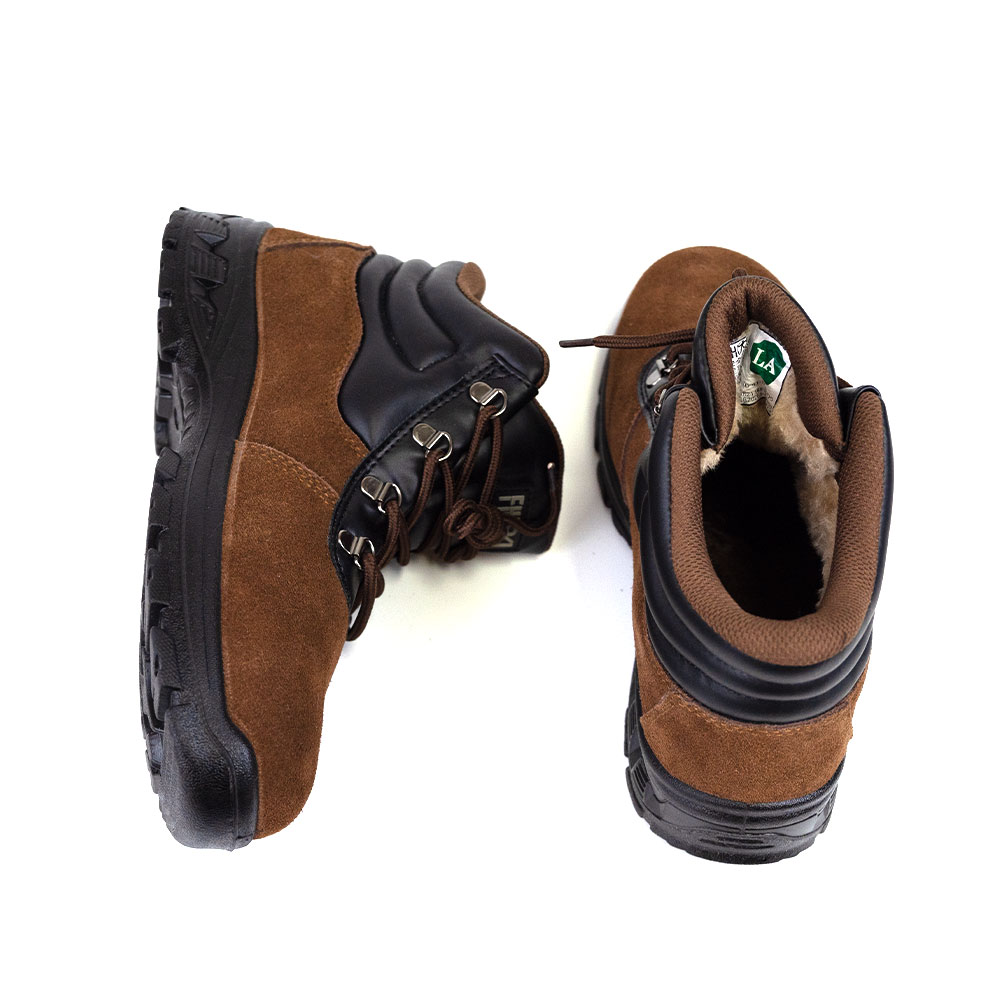
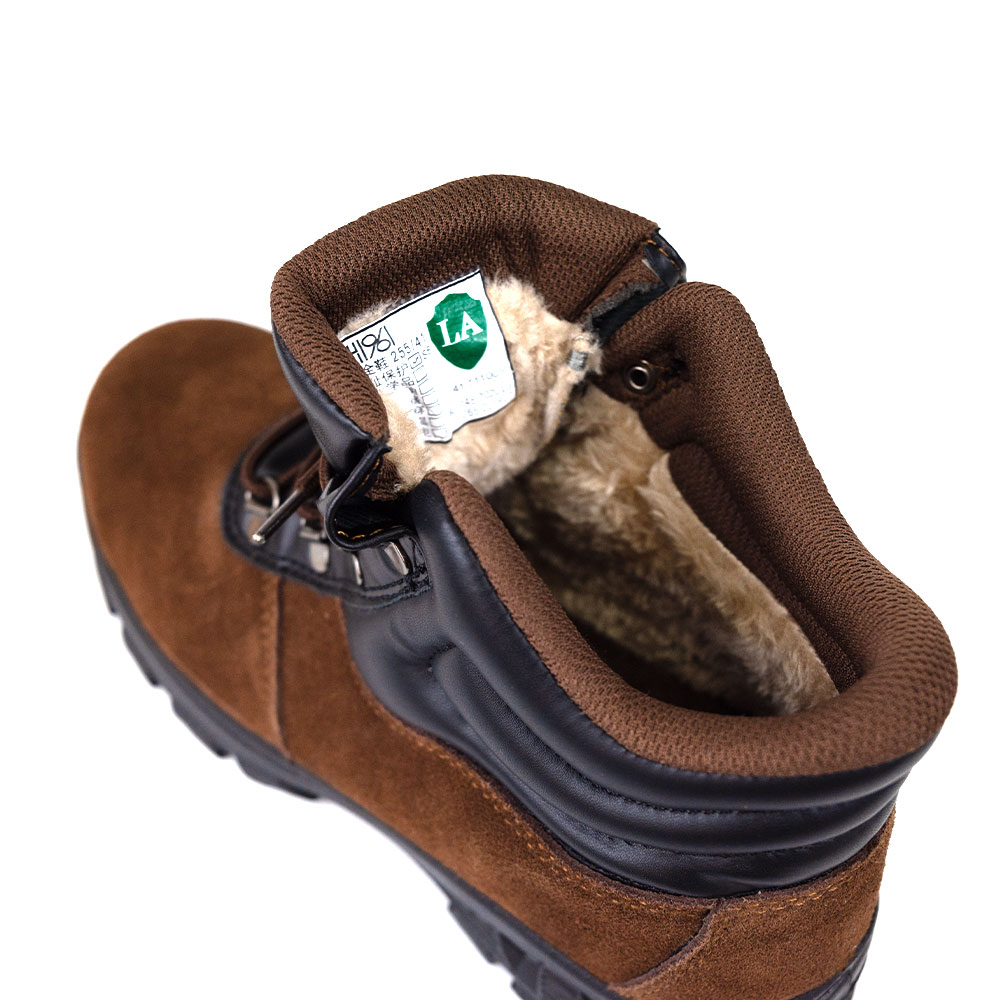
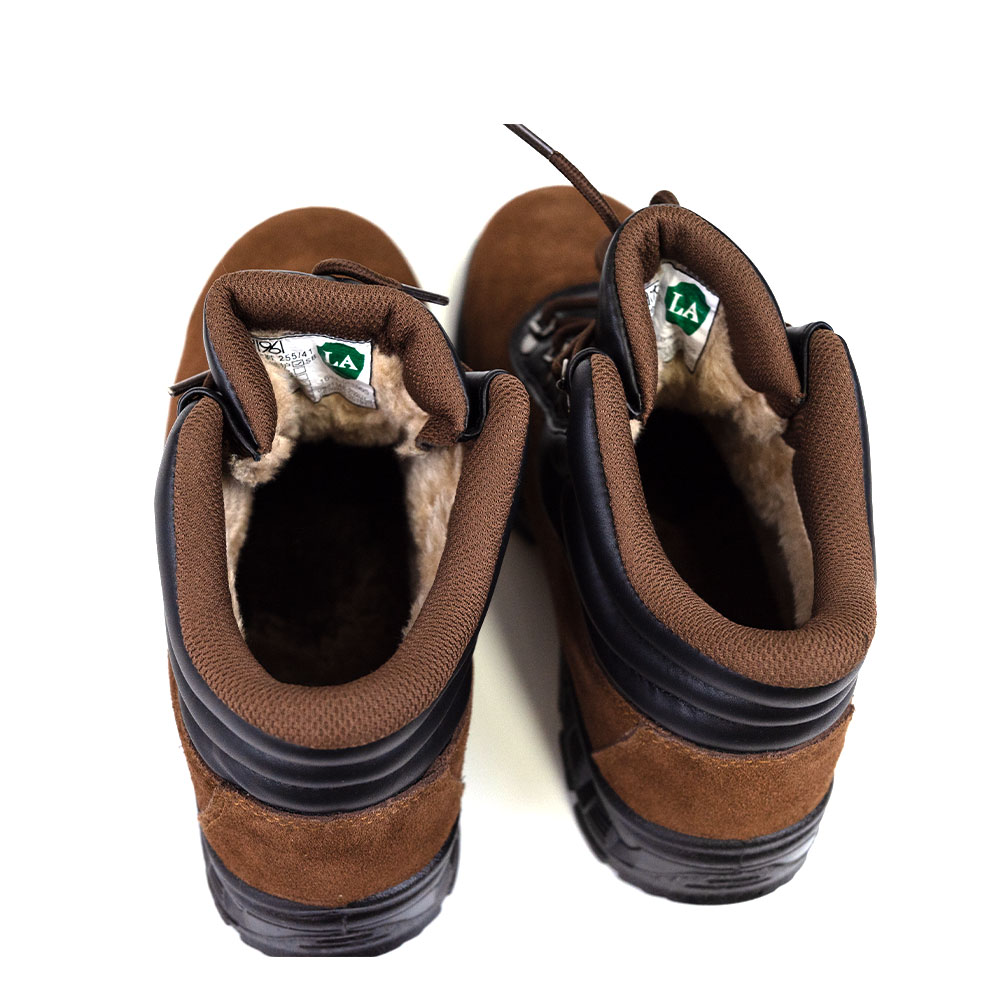
The AC15-1207FM keeps the familiar brown suede appearance of the dry-work model and adds a warmer lining for seasonal use. It is practical for distributors selling into climates where winter is real but snow, mud and outdoor waterproofing are not the main risk. The goal is warm comfort for dry or lightly cool industrial spaces.
This page does not position the shoe as a waterproof snow boot. That honesty is important. The best fit is cool indoor work, drafty production halls, refrigerated support areas, dry loading routes and factories where workers need toe protection with more warmth than a summer shoe.
Buyer Guide
Cold-Weather Buying Guidance
Warmth without bulk
A heavy boot can be too much for workers who spend most of the day indoors. This model gives a warmer lining while keeping a lower profile that supports bending, walking and packing tasks.
Fit control
Winter footwear is often rejected when workers add thick socks and lose toe room. A planned fleece lining helps the buyer control comfort and sizing instead of guessing after delivery.
Material and construction logic
The brown suede upper gives the shoe a dry-work appearance, while the fleece lining adds seasonal comfort. For catalog planning, this creates a clear warm version beside the standard suede model.
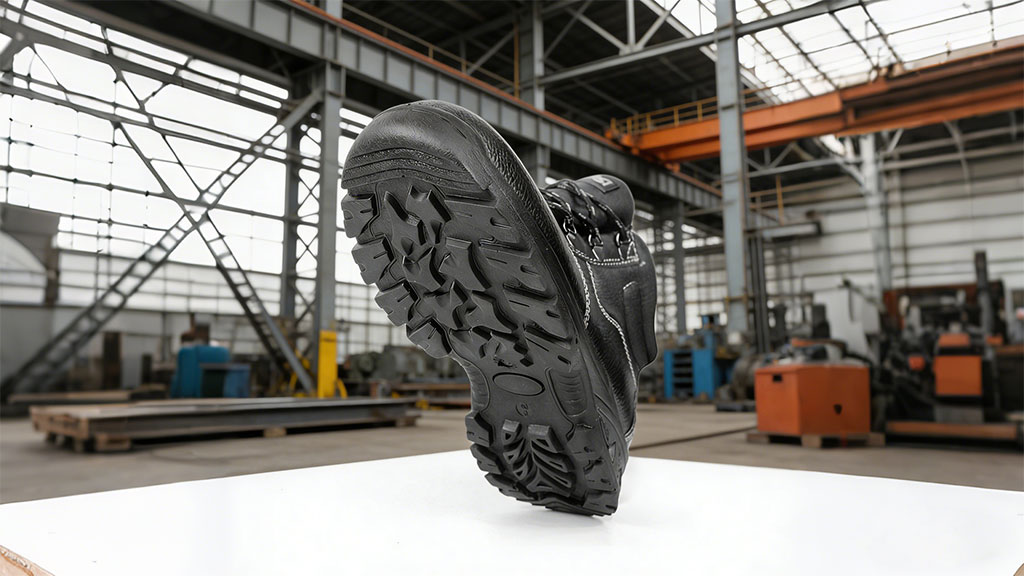
The PU/PU dual-density sole keeps the walking comfort story. In cool buildings, workers still stand on hard concrete, so cushioning remains important even when warmth is the lead selling point.
Buyers should define whether the environment is cold, wet, oily or outdoor. If the problem is mostly low temperature in a dry building, this model makes sense. If the problem is snow, chemical washdown or standing water, another construction should be reviewed.
For seasonal ordering and sample approval, use Anchen custom service process and confirm safety claims through the testing quality control page.
Specification
Warm Safety Shoe Checklist
Sample Testing and Repeat Order Checks
Ask workers to test samples with the socks they will actually wear in winter. A fleece lining changes internal feel, and the protective toe area should not become tight after workers add thicker socks.
A cold-weather program should also check storage conditions. If cartons stay in a cold warehouse before issue, workers may judge first-wear comfort differently from samples stored in an office.
For repeat orders, record which departments needed the fleece version and which remained comfortable in standard lining. This prevents overbuying warm models for areas that do not need them. A winter sample should also be checked after several days of use, because warmth, moisture management and toe room can feel different after the lining has compressed slightly during normal walking. For distributors, the commercial value is a clear winter alternative that does not confuse buyers with outdoor waterproof claims. Keep the catalog wording focused on cool indoor comfort, dry winter workshops, seasonal warehouse work and repeatable size planning. That narrower message is more useful than a broad winter claim and helps sales teams answer practical questions from safety managers.
FAQ
FAQ for Fleece Lined Safety Shoes Buyers
Is this model for snow work?
No. It is best for cool, dry or semi-dry industrial areas. Outdoor snow and standing water require a different footwear discussion.
Why not just wear thicker socks?
Thicker socks can reduce toe room and change fit. A planned warm lining gives a more controlled solution.
Who should buy this model?
Distributors serving cool warehouses, unheated workshops and dry winter factory programs can use it as a seasonal safety shoe option.