
Use Case
Composite Toe Safety Shoes for Heat and Chemical Routes
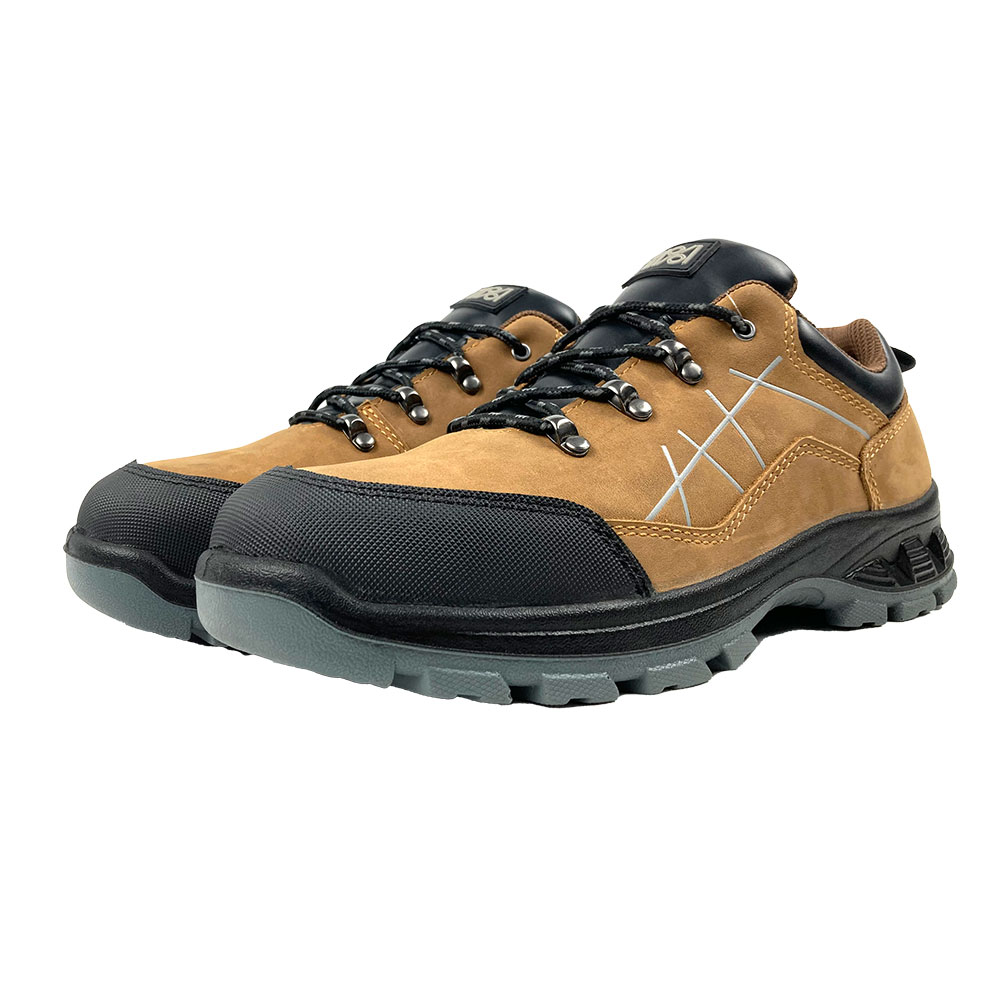
AC2006 gives distributors a non-metal toe option for buyers who want lighter protection, nubuck suede styling and a heat-resistant rubber outsole story.
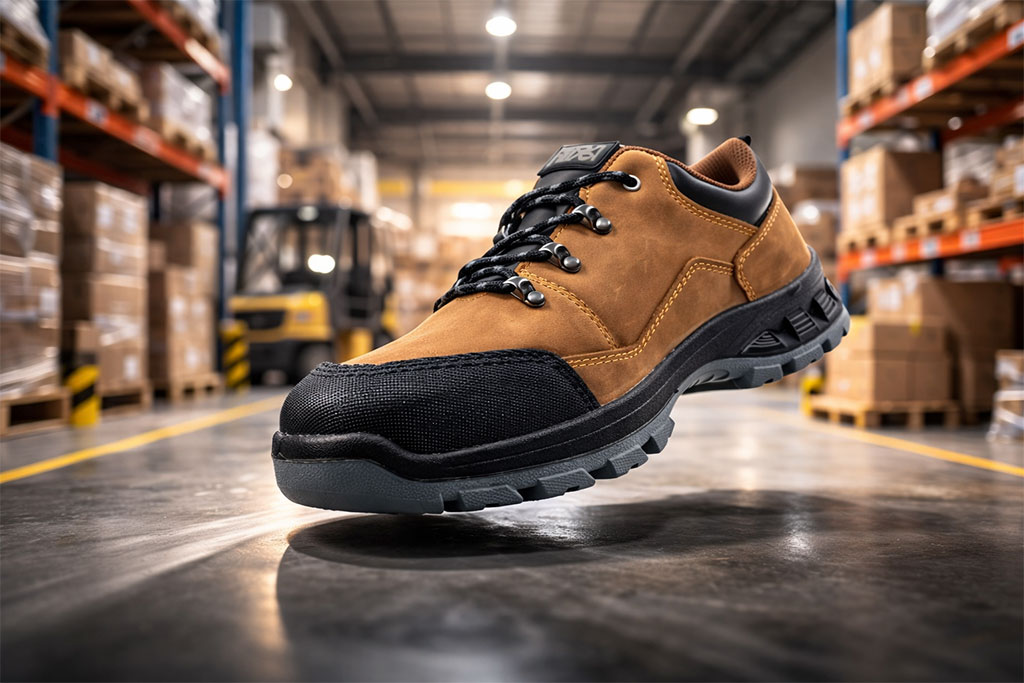
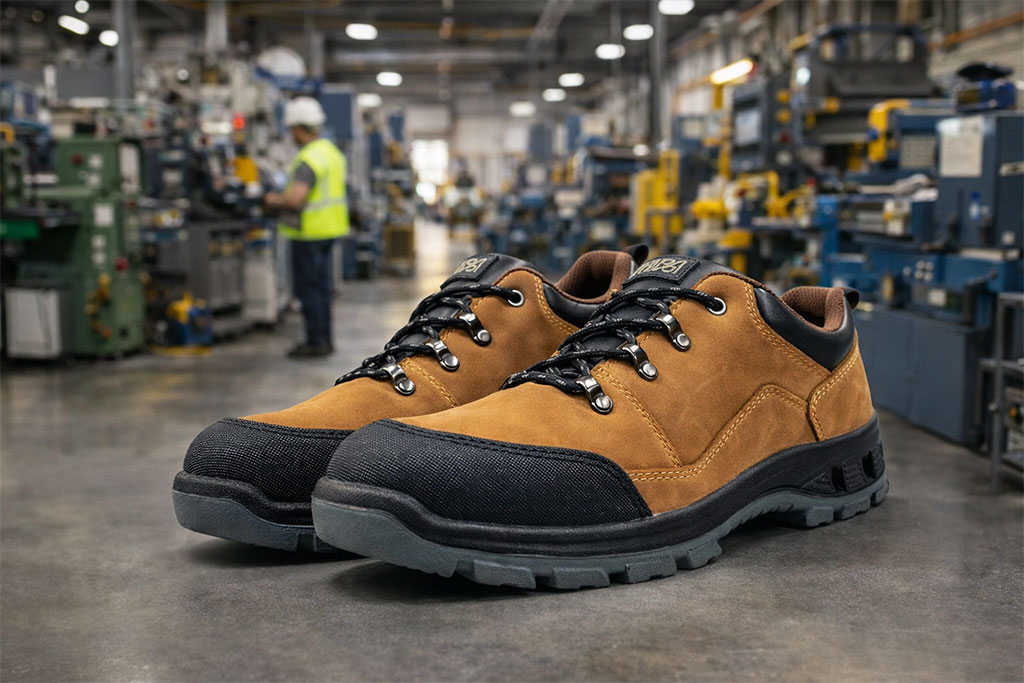
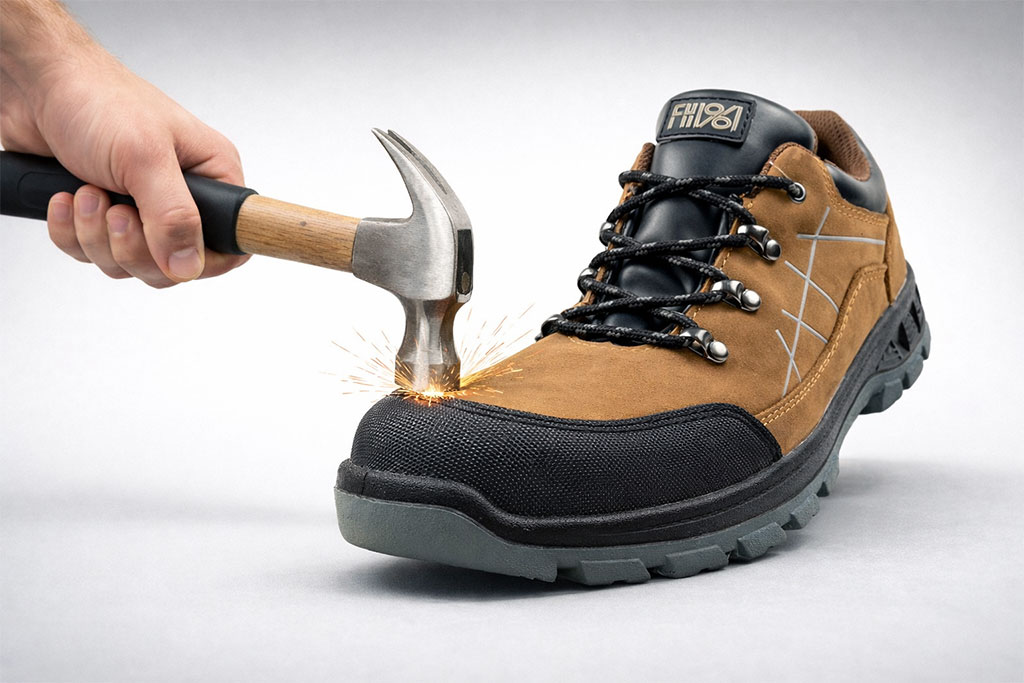
Composite toe footwear is often searched by buyers who want protection without the heavier feel of traditional steel toe shoes. That search intent is broad, so a strong product page must narrow the use case. AC2006 is best explained as a low-cut safety shoe for industrial buyers who need toe protection, a soft nubuck and suede upper, and a PU/rubber sole for sites that may include heat, light chemical contact or rougher walking routes.
The practical value of a composite toe is not only weight. It can also help when buyers want a non-metallic toe-cap story, when workers pass through metal-sensitive areas, or when comfort perception matters in long shifts. The product still needs a clear hazard match. Composite toe safety shoes should be selected according to the required impact standard, outsole condition, floor contamination and the working temperature around the sole.
Many competitor pages list composite toe, heat resistance and chemical resistance as separate badges. This page takes a more helpful angle: explain how a buyer should connect those features to the job. A warehouse technician who occasionally enters a warm maintenance room has a different requirement from a foundry worker, a welder or a chemical washdown operator. AC2006 belongs in the first type of conversation: versatile light-industrial protection with a stronger outsole story than a basic sneaker-style safety shoe.
Buyer Guide
Composite Toe Buying Logic
Weight and acceptance
A lighter toe-cap story can improve worker acceptance when teams walk long distances or dislike the front-heavy feel of some steel toe models.
Do not overclaim heat
Heat-resistant sole language should be matched to the real surface temperature and exposure time before a bulk order is approved.
Material and construction logic
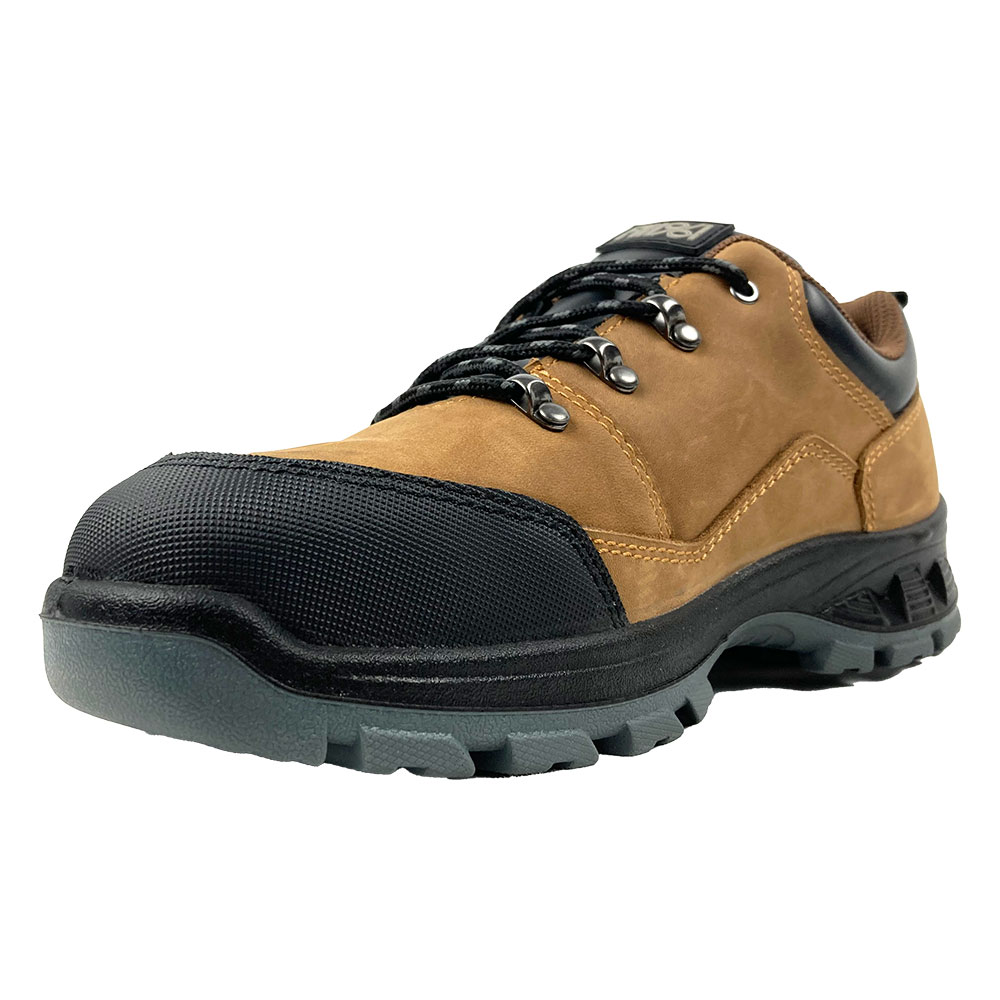
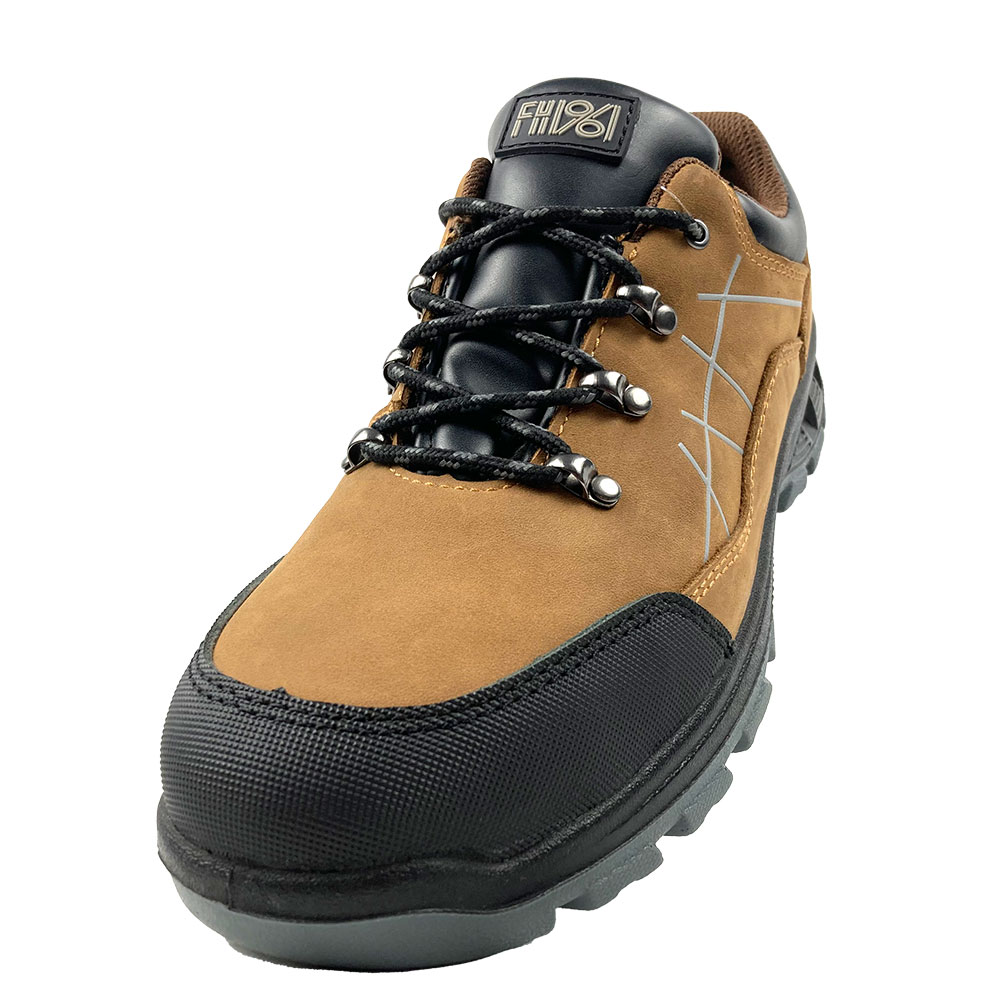
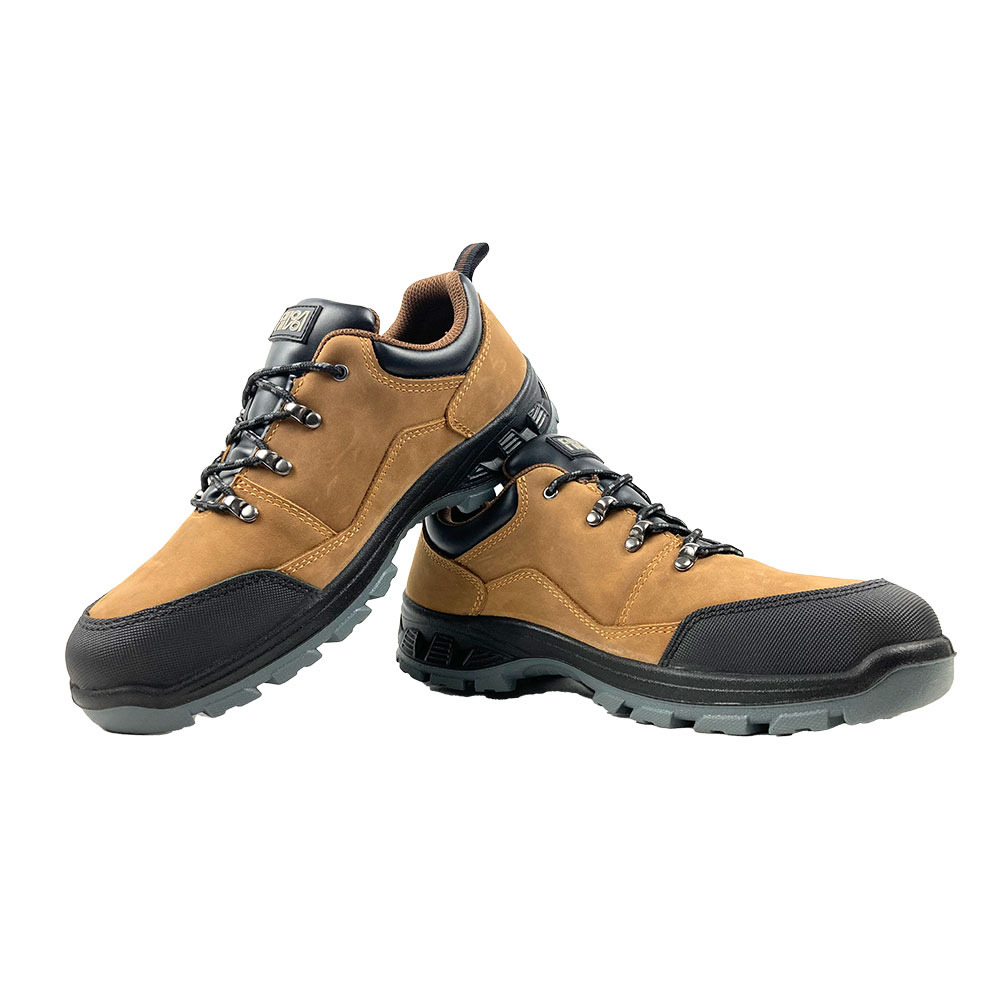
The soft nubuck and suede leather upper gives the product a more casual industrial look, which can help distributors sell to buyers who want safety protection without a heavy boot image.
The PU/rubber outsole supports abrasion and heat-resistance positioning better than a simple comfort-only sole. Buyers should still confirm the intended temperature range and chemical contact level during sampling.
For OEM and wholesale orders, confirm toe-cap type, outsole compound, color tolerance, size run and carton labeling. Composite toe models are often compared by weight, so sample notes should include actual wearer feedback.
For alternative toe-cap planning, compare composite toe safety shoes with rubber sole and use the supplier workflow on custom safety footwear service.
Specification
Composite Toe Selection Checklist
Sample Testing and Bulk Order Checks
A good sample trial should include workers who normally reject heavy footwear. Ask them about toe-room, forefoot weight, heel hold and flex during stairs or long corridor walking. These comments often decide whether a distributor can build repeat orders.
For heat-adjacent work, record where the heat comes from. Warm floors, hot machinery nearby and short outdoor asphalt exposure are different from direct high-temperature contact. The page should encourage buyers to ask that question before choosing a sole.
For chemical-adjacent work, AC2006 should be treated as a practical safety shoe for controlled exposure, not as a full chemical boot. Buyers should describe the liquid, contact time, cleaning process and whether the upper may be splashed. This honest guidance makes the page more useful than a generic feature list and helps the customer choose a realistic sample. It is also useful to explain how composite toe shoes fit seasonal and regional markets. In hot climates, workers may value lower weight and less front-foot fatigue. In distribution channels where airport, logistics or light manufacturing buyers ask for non-metal toe protection, the model gives sales teams a clearer answer. The buyer should still confirm impact rating, flex comfort and outsole performance before treating composite toe as a universal upgrade.
FAQ
FAQ for Composite Toe Safety Shoes Buyers
Why choose a composite toe instead of steel?
A composite toe can reduce weight and avoid metal components in workplaces where buyers prefer lighter safety footwear. The final choice should still match the impact protection requirement of the job.
Which environments fit this model best?
It suits industrial teams that need toe protection with heat, chemical or mixed-floor considerations, especially where workers walk long routes and reject heavy footwear.
What should be confirmed during sample review?
Confirm toe room, outsole grip, flex point, heat exposure, chemical contact level and size range before approving bulk production.