Use Case
Chemical Resistant Work Shoes for Mixed Maintenance Floors
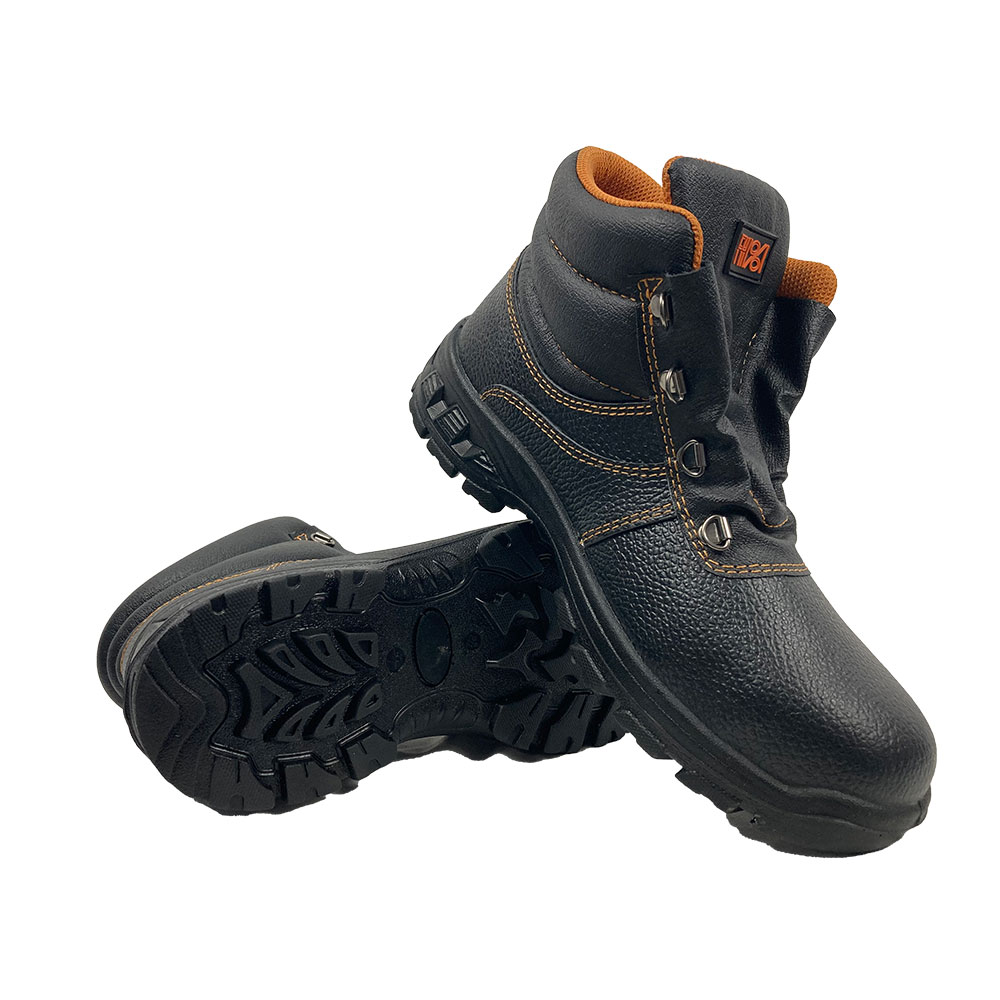
AC1208 is positioned for factories where light chemical contact, oil film, pallets and daily walking happen in the same route.
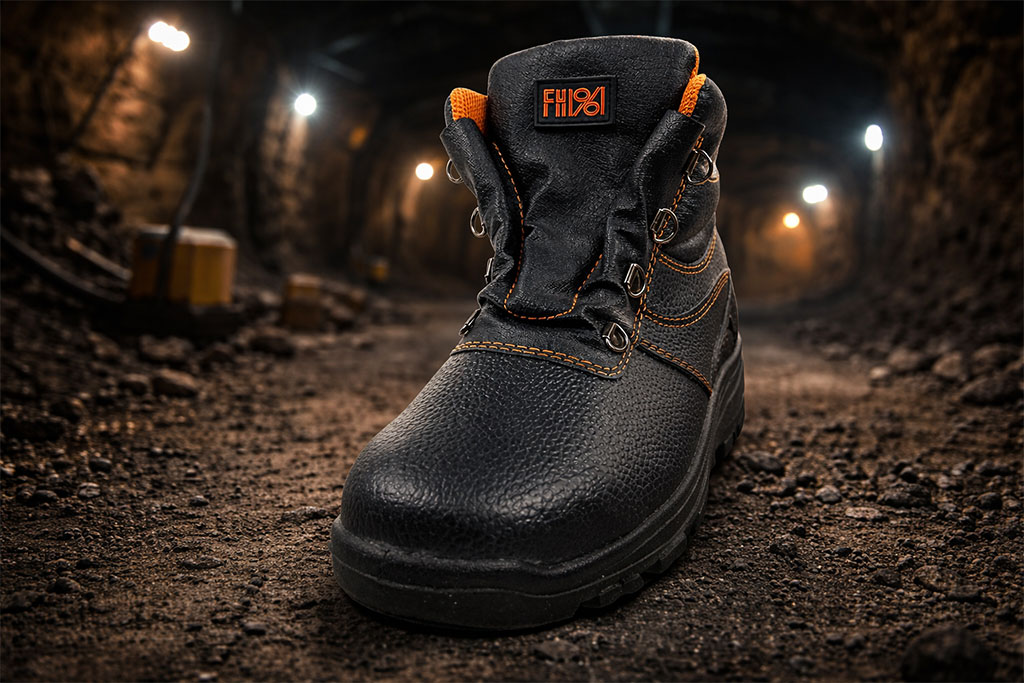
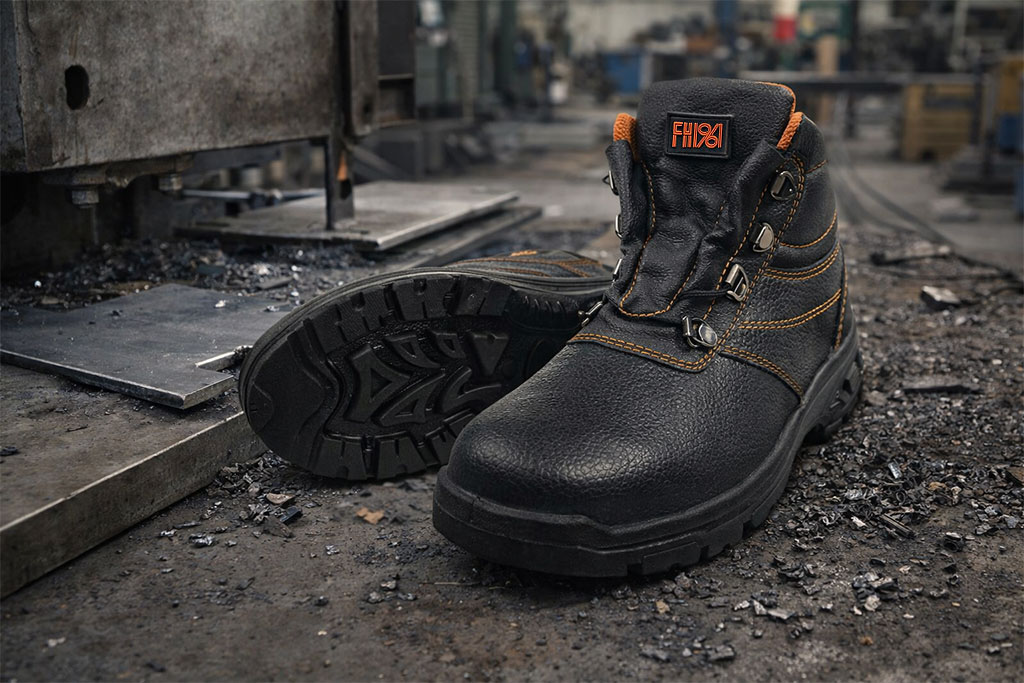
A purchasing manager looking for this type of footwear is usually not asking for a laboratory boot. They are trying to reduce complaints from maintenance staff who move between machine oil, diluted cleaners, damp loading zones and ordinary concrete corridors. If the shoe feels like a heavy boot, workers may avoid it. If it is only a fashion-style shoe, the upper and outsole may fail too soon.
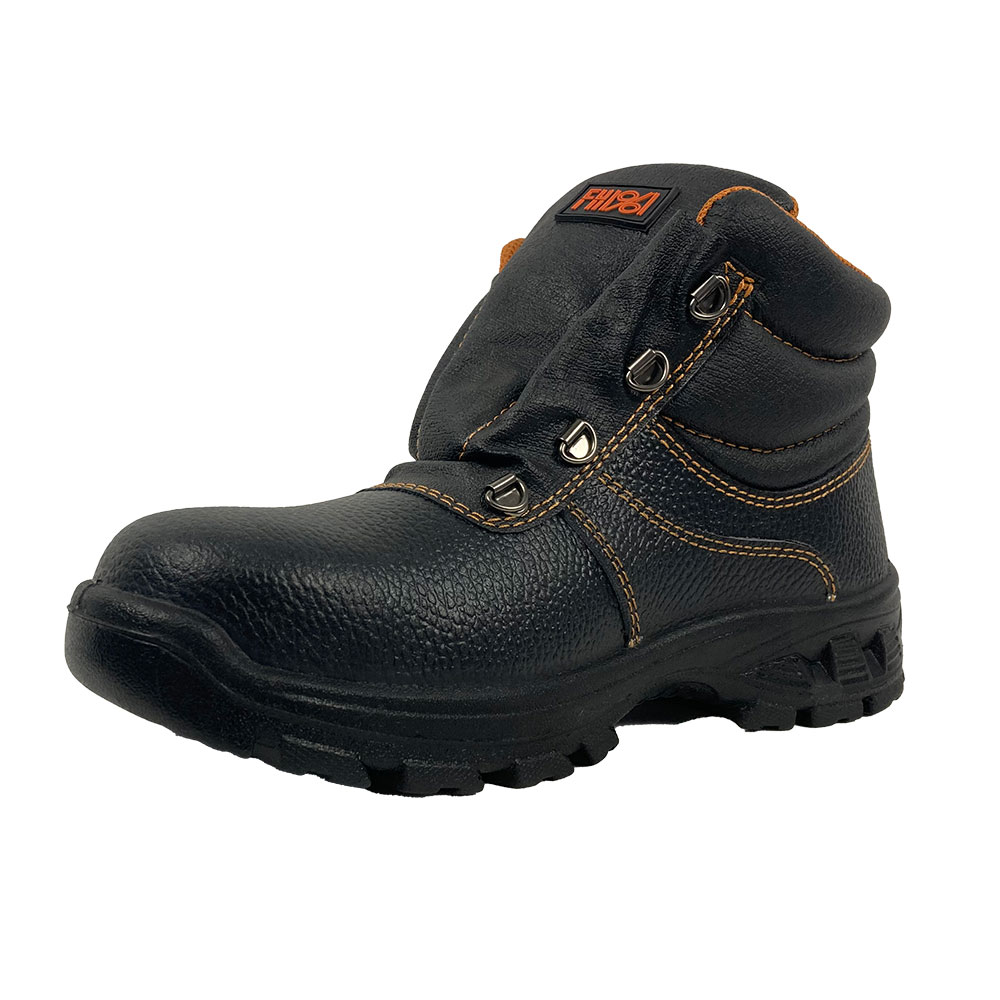
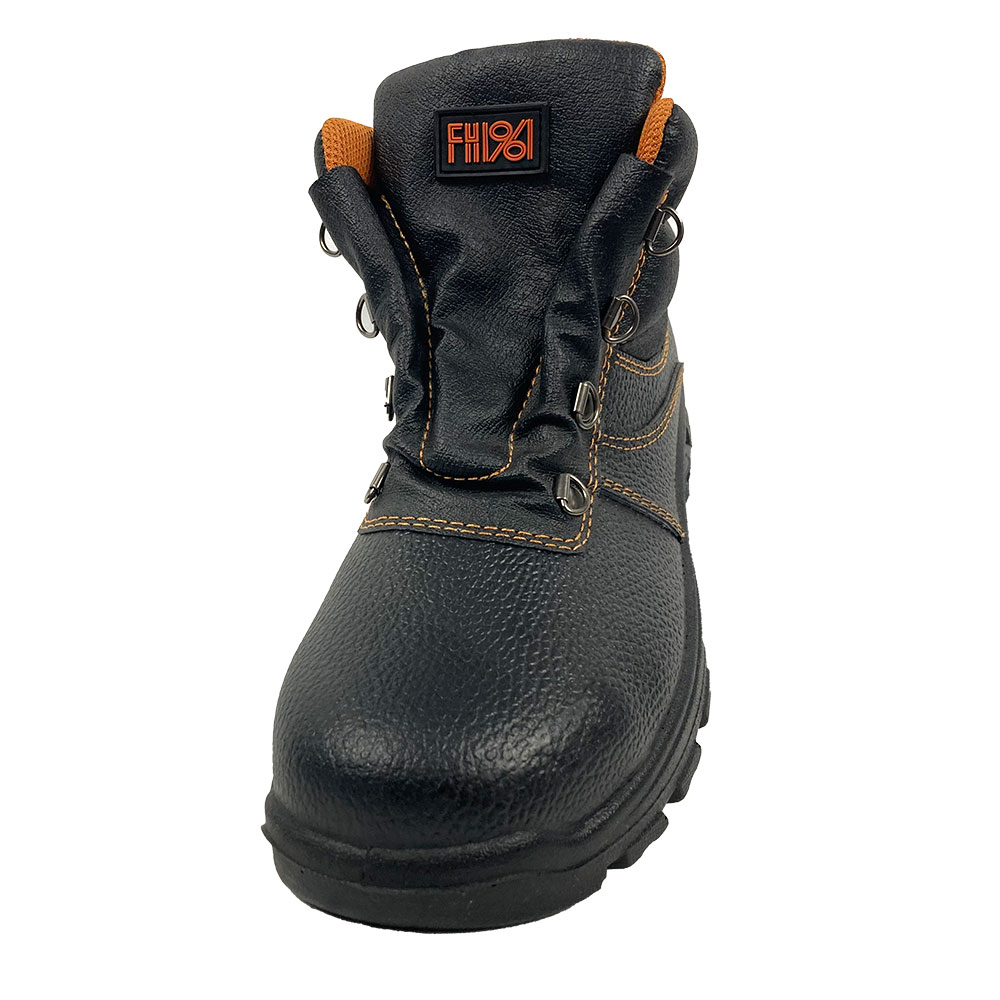
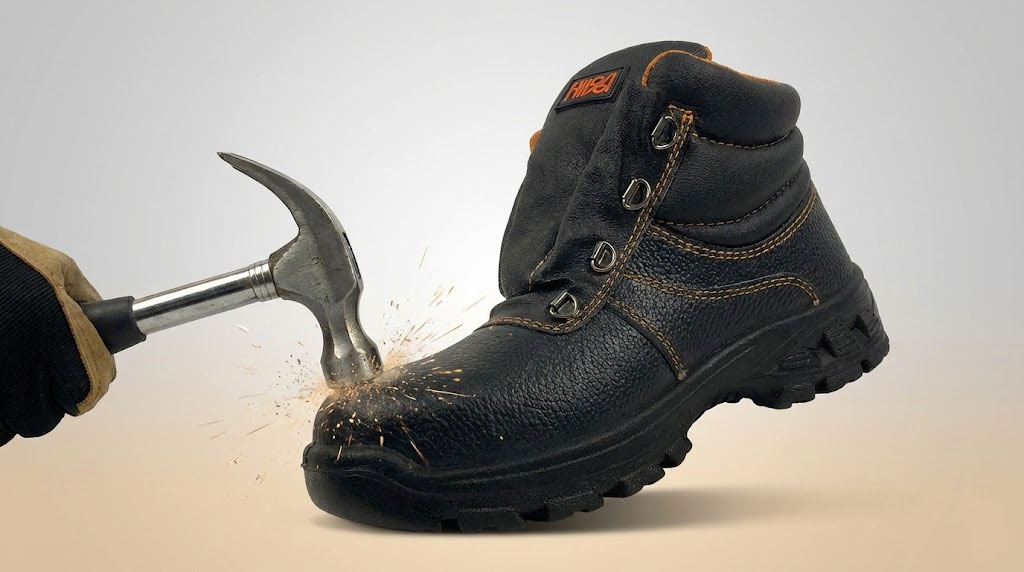
The AC1208 gives distributors a practical middle option. It keeps a steel toe for impact exposure, a buffalo leather upper for daily scuff resistance and a PU/PU outsole that feels more comfortable than many dense rubber styles during repeat walking. The result is a product story that is easier to sell to repair shops, equipment plants and light chemical warehouses.
The page should not overpromise against strong acids, solvent immersion or continuous washdown. It should help buyers map the real exposure: short splash, oily film, damp floor, packaging debris, and the number of hours spent standing or walking.
Buyer Guide
Buyer Guide for Light Chemical Exposure
Hazard fit
The right buyer is a team that needs toe protection and better resistance to everyday liquid contact, not a team that stands in aggressive chemicals for a full shift. This distinction protects the customer and prevents wrong product selection.
Worker acceptance
Low-cut leather construction matters because workers in maintenance and logistics often need flexibility, kneeling comfort and an appearance that fits a uniform policy. A shoe that protects but feels too heavy may not be worn consistently.
Material and construction logic
The black buffalo leather upper provides a durable visual surface for factories where shoes rub against carts, benches and pallet corners. It is easier for brand owners to explain than a thin synthetic upper because the material has a familiar industrial value story.
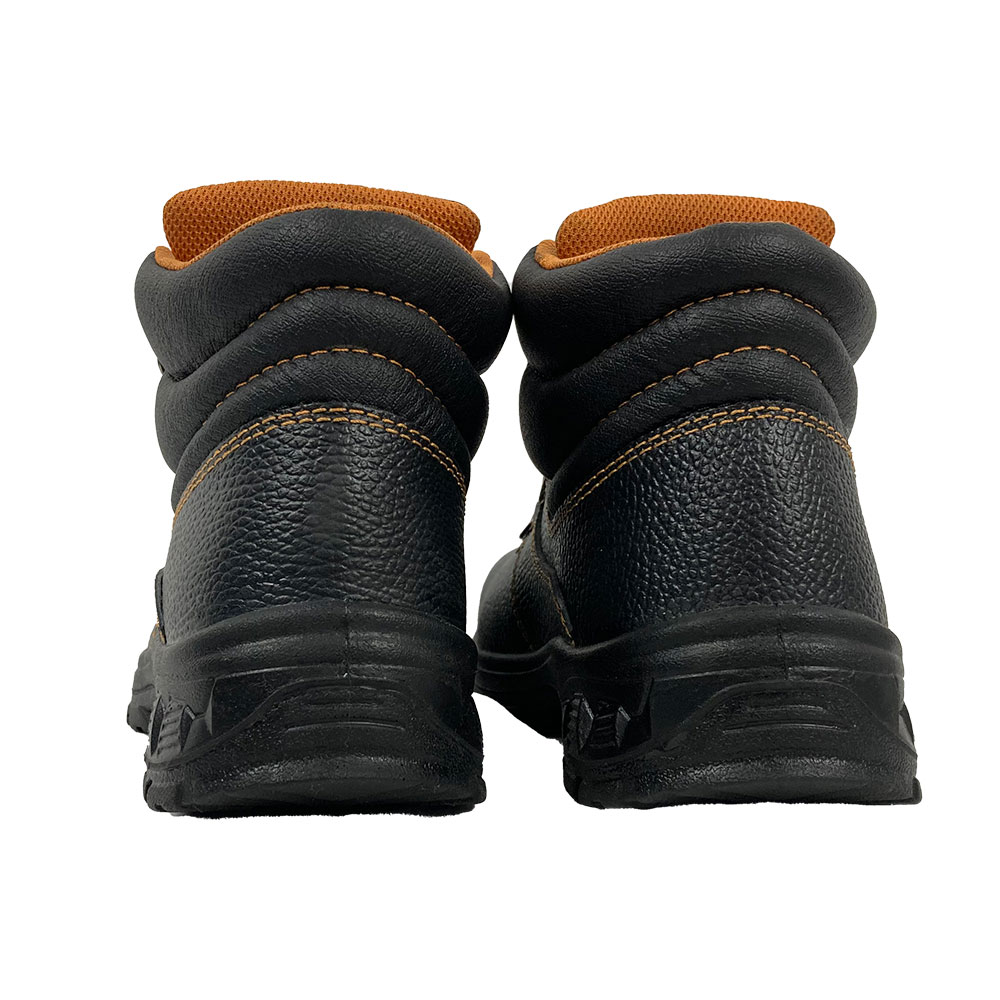
The PU/PU dual-density outsole supports shock absorption and repeated movement. A softer midsole layer helps with hard concrete, while the denser outsole layer supports wear. For buyers, this is a comfort and replacement-cost argument, not just a line in a specification table.
Before confirming a bulk order, ask whether the end user needs puncture resistance, antistatic performance or electrical insulation. These options should be attached to a real job hazard, such as scrap metal underfoot, static-sensitive equipment or low-voltage maintenance zones.
For private label, sample confirmation and carton planning, review Anchen OEM safety footwear service workflow and compare this model with the chemical resistant footwear category.
Specification
AC1208 Specification Checklist
Sample Testing and Repeat Order Checks
Sample testing should include both visual review and wear-route review. Ask the buyer to walk the shoe on the same type of floor where workers spend most of the day. Smooth coated floors, dusty concrete and damp service rooms create different feedback.
Fit should be checked with the socks normally used on site. Protective toe caps need enough internal room, and an otherwise good model can be rejected if a sample feels tight after two hours of walking.
For repeat orders, lock the upper texture, sole color, lace color and carton label before scaling. Small visual changes make worker feedback harder to compare between seasons.
FAQ
FAQ for Chemical Resistant Work Shoes Buyers
Is this a full chemical boot?
No. It is a leather low-cut safety shoe for light chemical-adjacent work and oily floors. Strong immersion or continuous washdown should use a dedicated boot.
Why use PU/PU instead of a heavy rubber sole?
PU/PU helps reduce walking fatigue on hard floors. It is useful when the job mixes protection with daily movement.
Can this model be customized?
Yes. Logo, carton label, size mix and selected safety options can be discussed before sample approval.