Use Case
Chemical Resistant Safety Shoes for Maintenance Routes
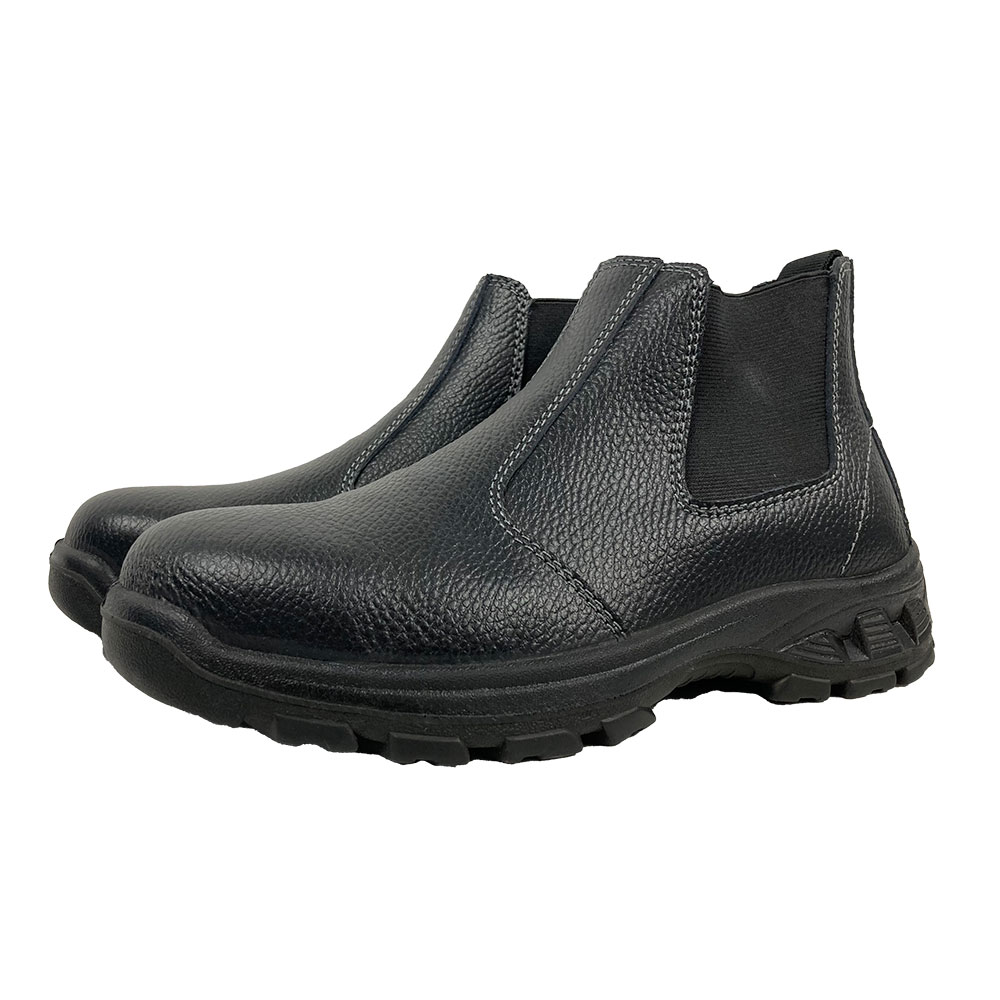
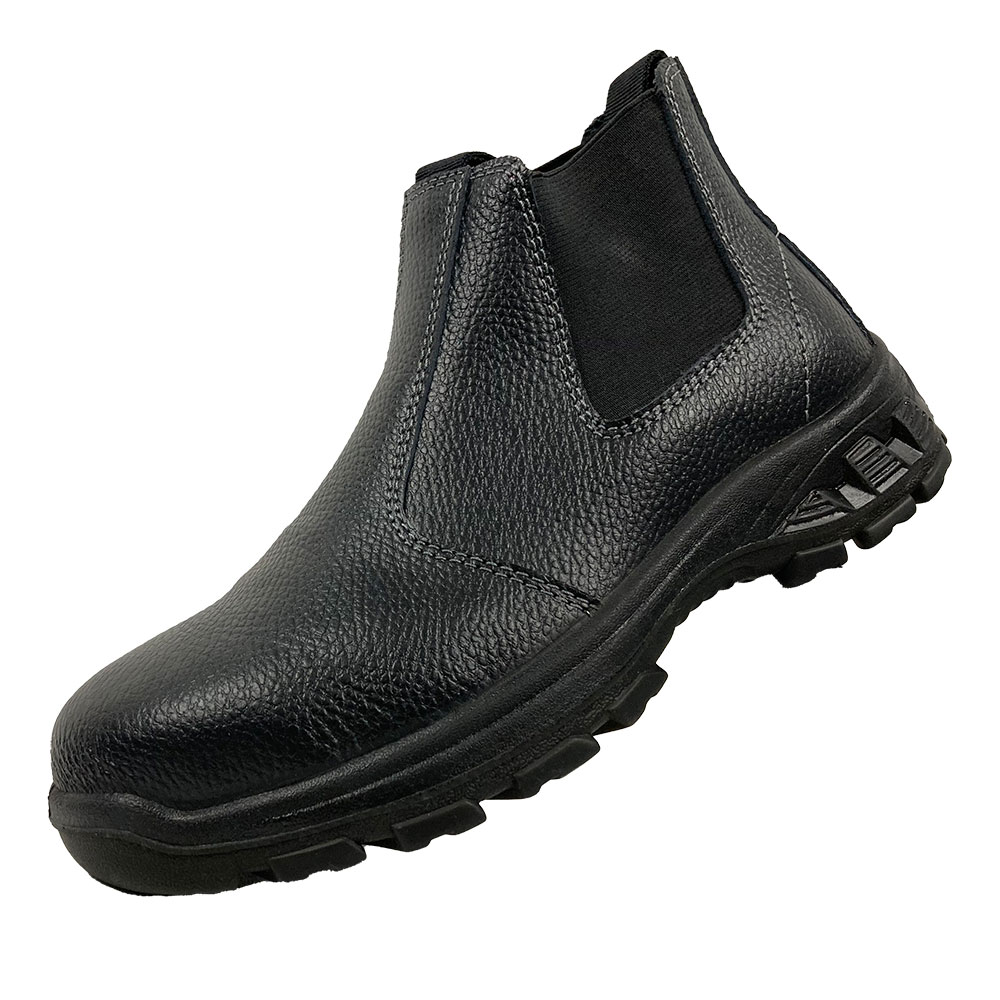
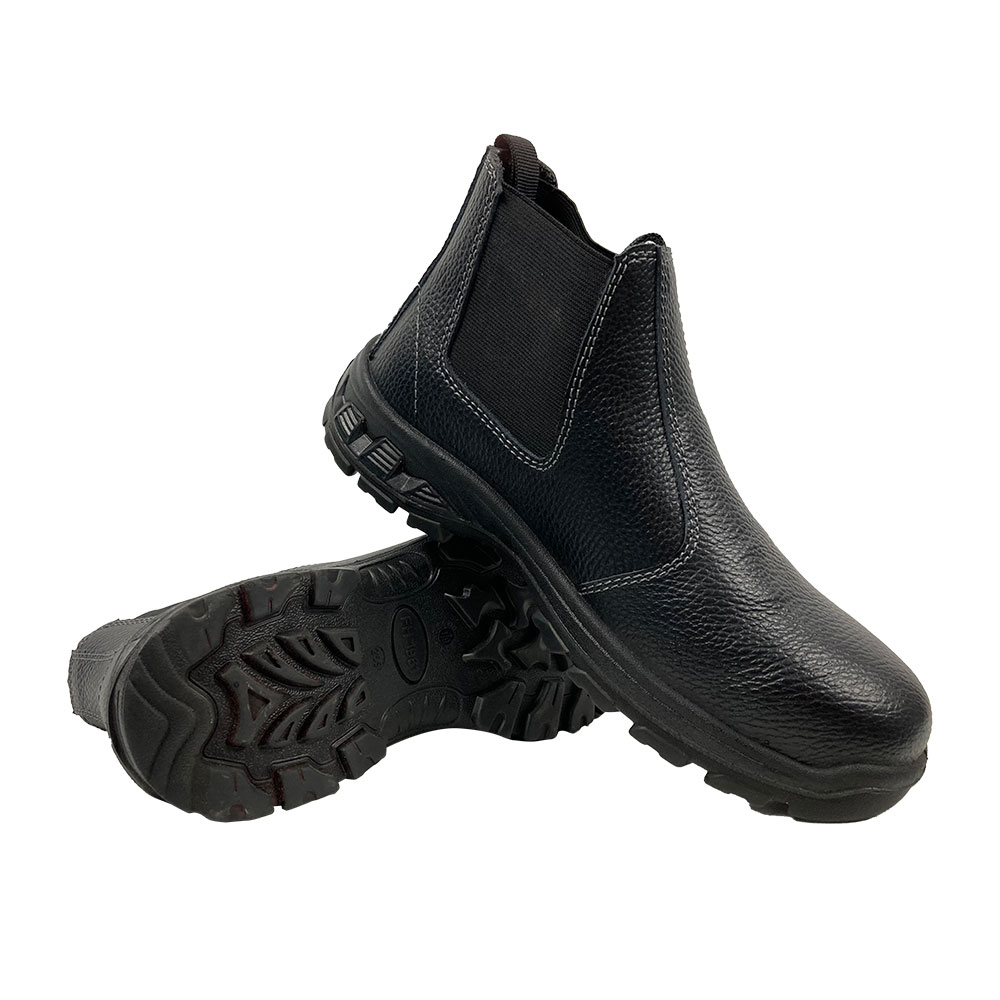
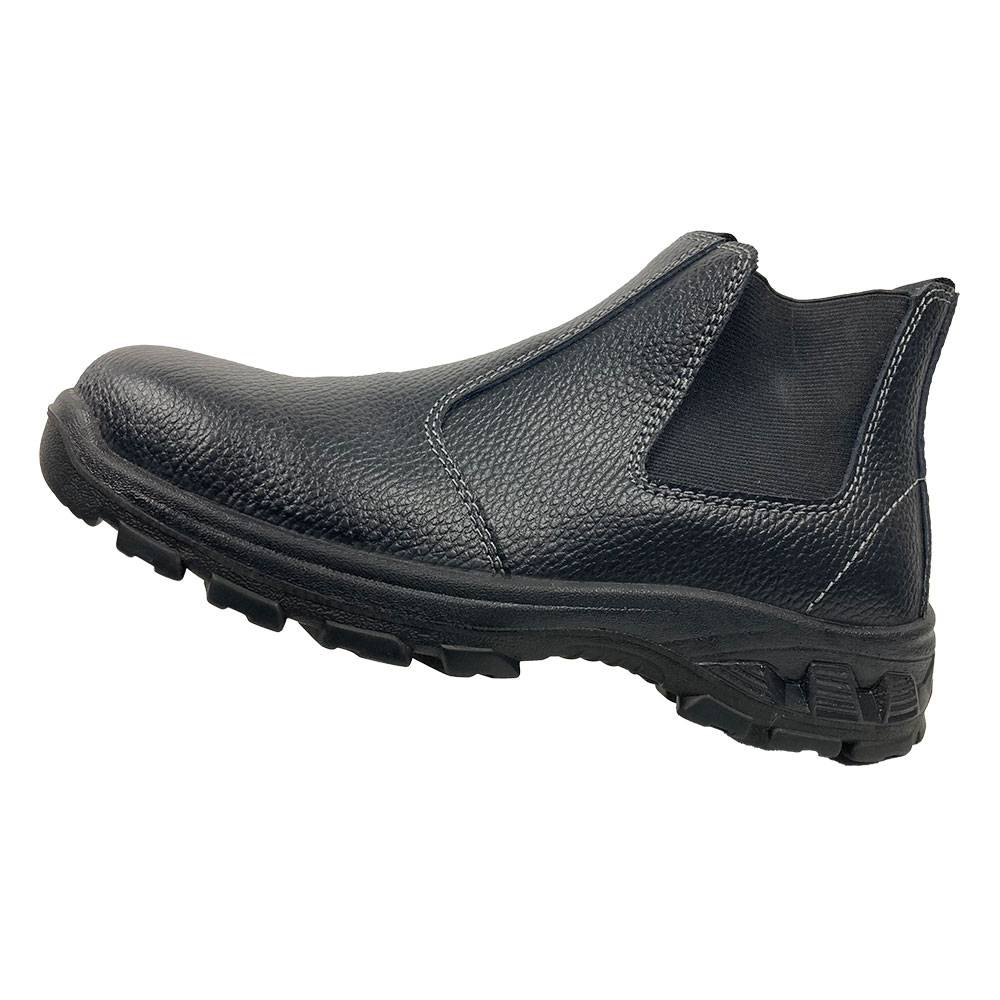
AC1920 is built for maintenance and plant-support teams that face light chemical contact, oily floors and dropped-object hazards in the same shift.
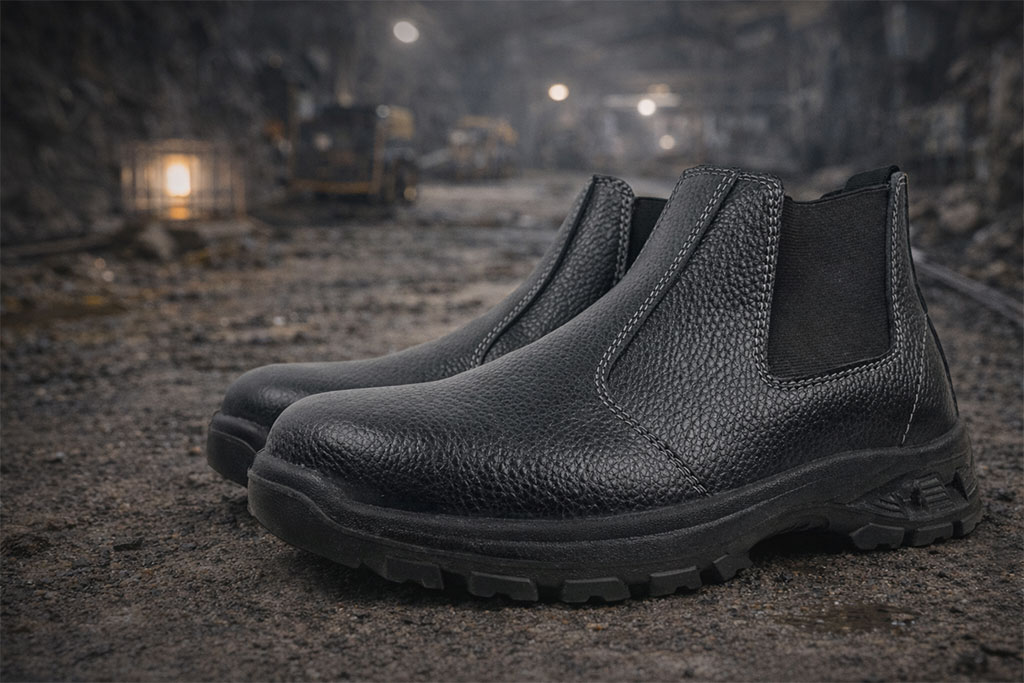
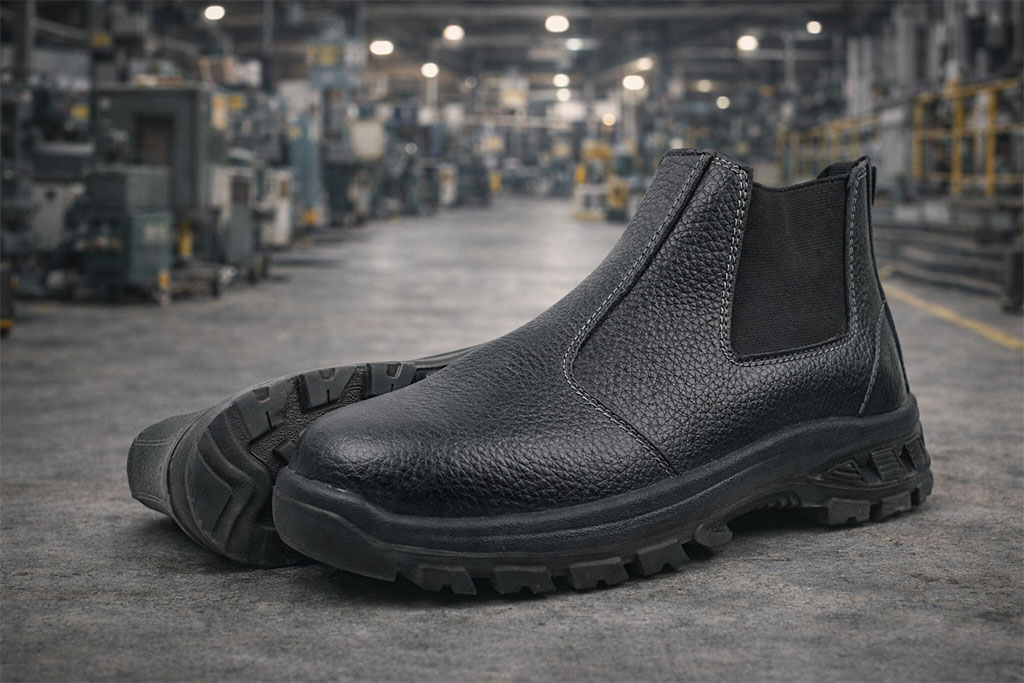
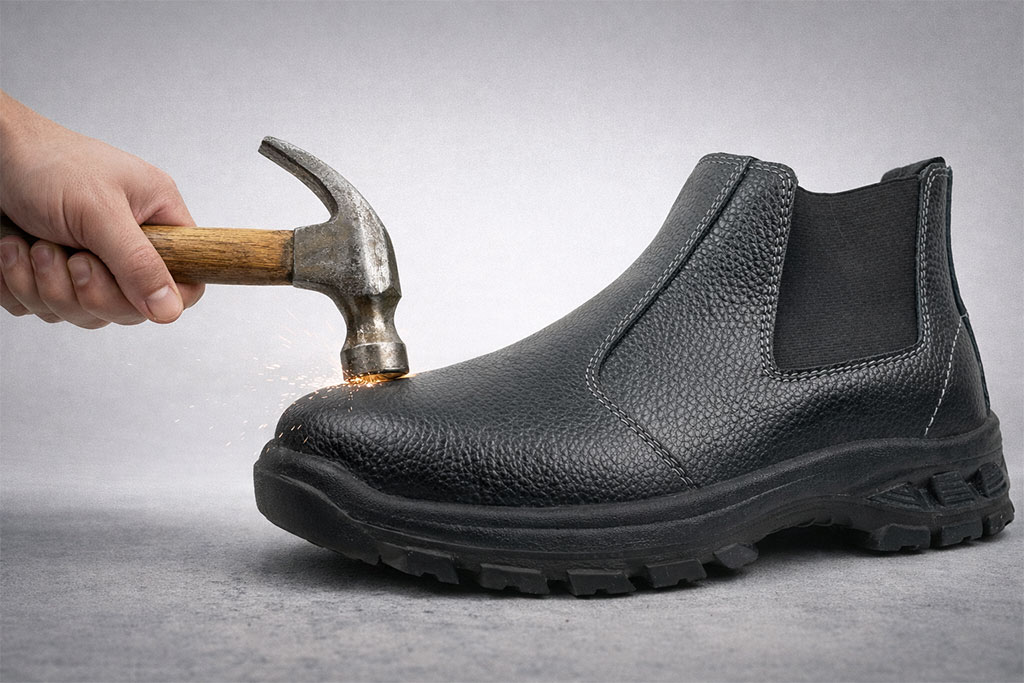
Many chemical footwear pages jump straight to heavy boots. AC1920 belongs in a different conversation: the worker moves through maintenance rooms, storage aisles, machine areas and loading zones where exposure is occasional but real. The buyer needs a shoe that can handle light splash and oil film while staying comfortable enough for daily walking.
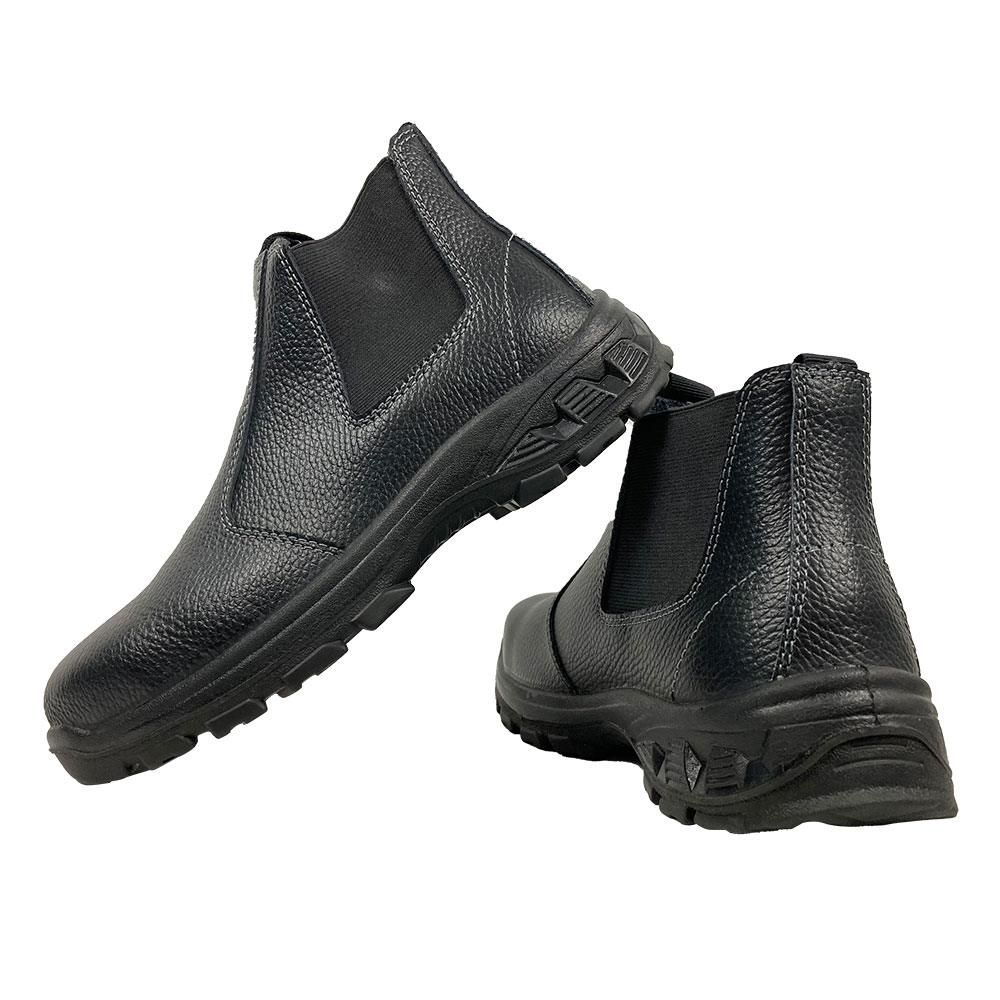
The model uses acid and alkali resistant buffalo leather, a steel toe and PU/PU dual-density sole. That combination gives distributors a safety shoe story for light chemical-adjacent work, not a claim for full immersion. The page should help buyers choose correctly instead of relying on one broad chemical word.
Useful content should ask about liquid type, exposure time, cleaning routine, floor texture and optional puncture or electrical needs. Those details make the product page valuable for safety managers and purchasing teams.
Buyer Guide
Chemical Safety Shoe Buying Questions
Exposure time
Short splash and floor contamination are different from standing in corrosive liquid. The buyer must describe the real exposure before choosing footwear.
Mixed hazards
Maintenance routes often combine oil, tools, carts and concrete floors. Toe protection and outsole comfort still matter.
Material and construction logic
Buffalo leather gives the shoe a durable upper story. It can support light chemical-adjacent use when matched correctly to the site, but strong solvents or immersion require another product choice.
The PU/PU dual-density outsole supports walking comfort and wear on factory floors. Sample testing should include contaminated and cleaned floor conditions when possible.
Ask whether optional puncture resistance, antistatic protection or electrical insulation is required. These features should follow the hazard map, not be added only to make a catalog line longer.
For related chemical category planning, review chemical acid and alkali resistant footwear and confirm sample steps through Anchen service process.
Specification
Chemical-Adjacent Work Checklist
Sample Testing and Bulk Order Checks
Use the sample in the actual route where workers move between clean and contaminated areas. That route reveals comfort and cleaning issues.
Check whether the upper should prioritize chemical contact, scuff resistance or appearance. One material choice cannot optimize everything.
For distributors, record the buyer hazard map with the order. When the customer reorders, those notes explain why the model was selected and whether a boot, rubber outsole or midsole option should be added next time. The strongest SEO value comes from explaining limits. A maintenance manager may search chemical resistant safety shoes because workers dislike rubber boots, but the right answer depends on exposure. If the chemical is occasional floor residue, this model may fit. If workers stand in liquid or clean with strong agents, the page should direct them toward boot-level protection. That honesty creates trust and reduces wrong inquiries. Chemical resistance language should also be careful. A shoe may help with light splash, oily floor contact and routine industrial cleaning, but buyers should still match the upper, thread, outsole and midsole to the actual exposure. Ask whether the team works near dilute acids, alkaline washdown, fuel, coolant or mixed factory residue. That discussion lets the supplier recommend leather treatment, sole compound and optional puncture protection without overpromising. The result is a page that helps a purchasing manager choose the right model before a quotation starts.
FAQ
FAQ for Chemical Resistant Safety Shoes Buyers
Is this a full chemical boot?
No. It is a safety shoe for light chemical-adjacent and oily factory areas. Continuous liquid exposure should be reviewed with a dedicated boot design.
When is this model a better choice than a boot?
It fits work routes where employees need toe protection, walking comfort and moderate resistance around light splashes or oily floors, but do not stand in liquid for long periods.
What should buyers ask first?
Ask about liquid type, exposure time, floor condition and optional puncture or electrical needs before confirming the final specification.