
Use Case
Brown Suede Safety Shoes for Dry Industrial Teams
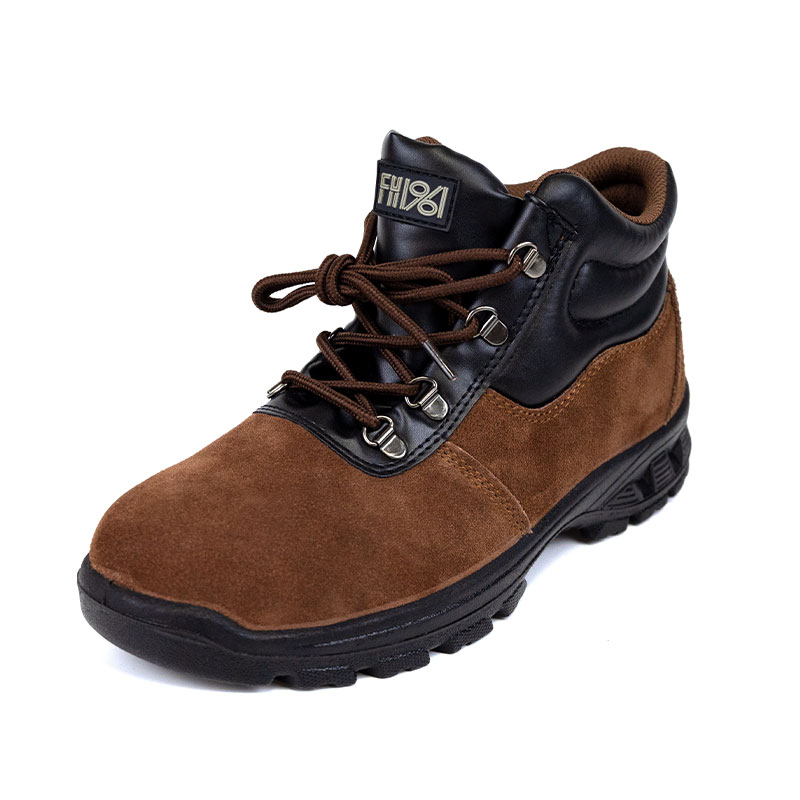
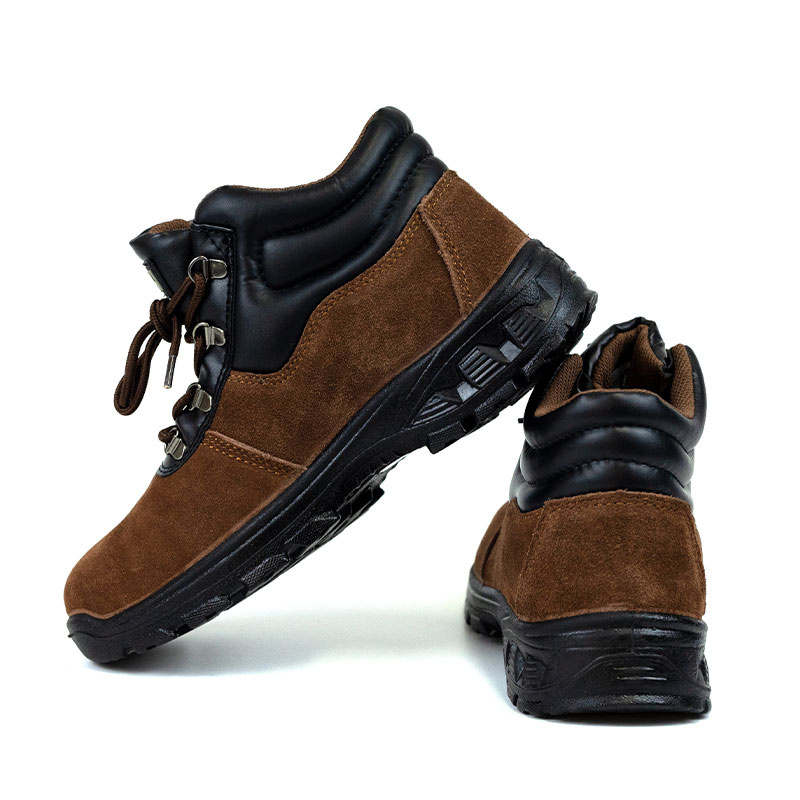
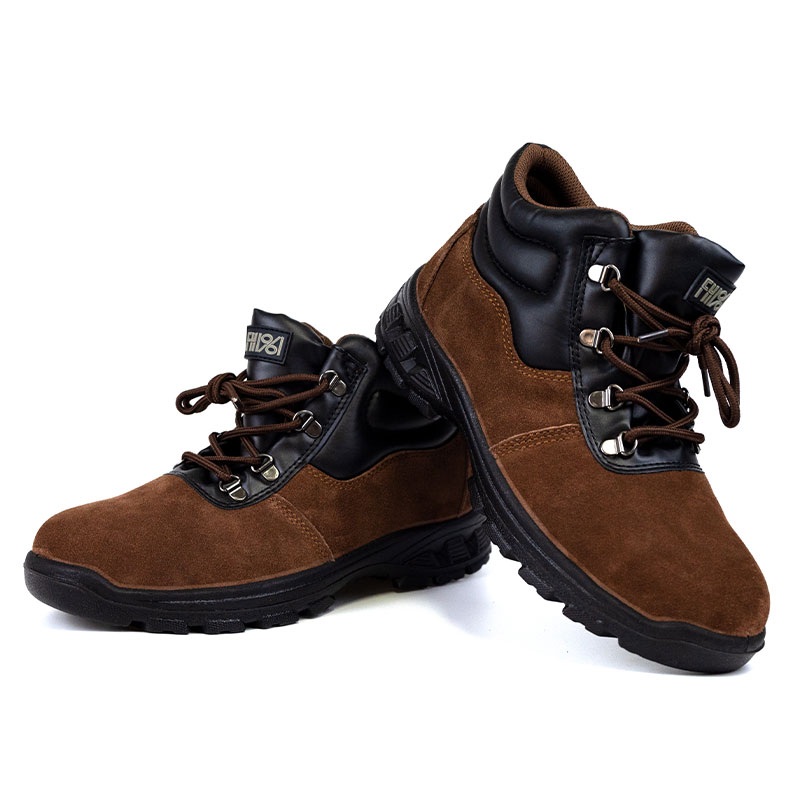
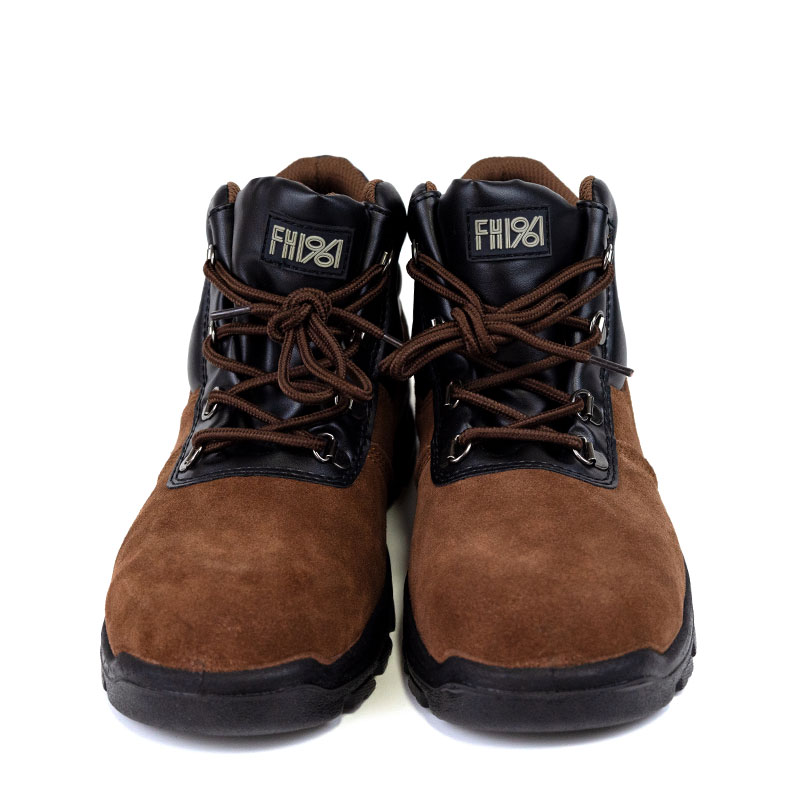
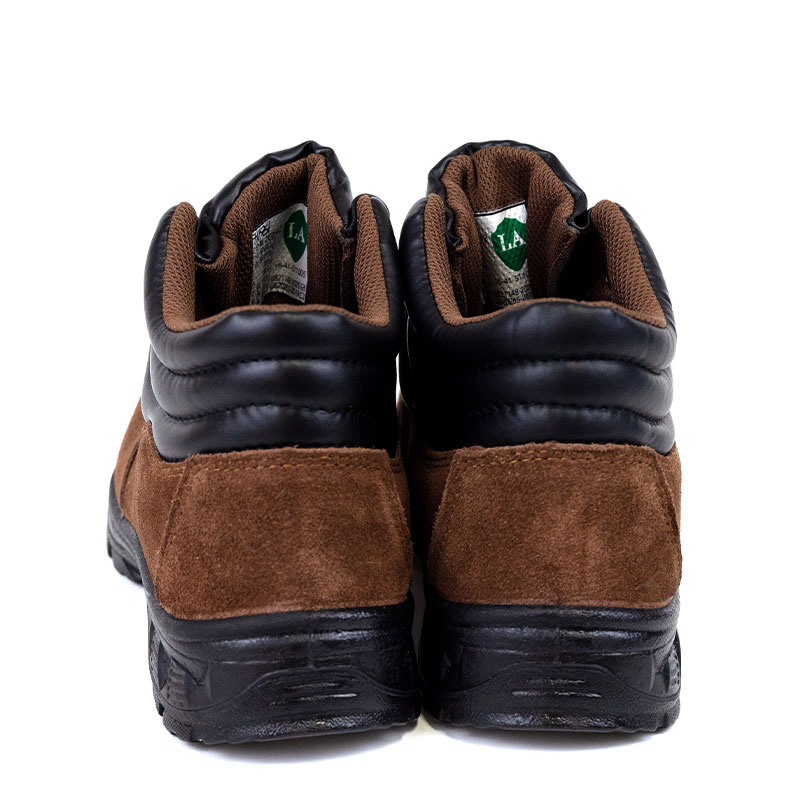
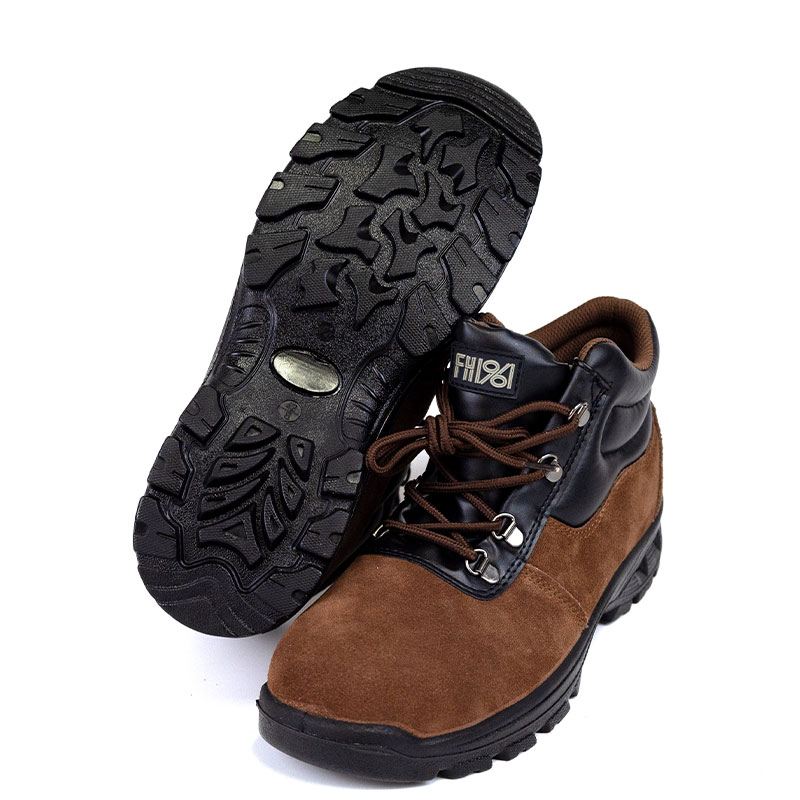
AC15-1207F is a dry-floor safety shoe for buyers who want a softer suede appearance without giving up steel toe protection and PU/PU walking comfort.
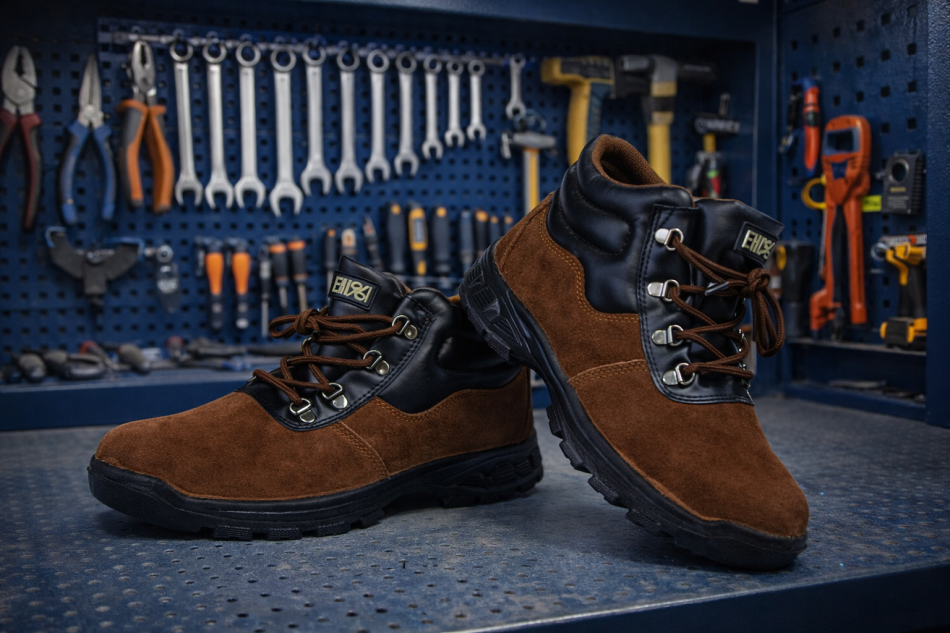
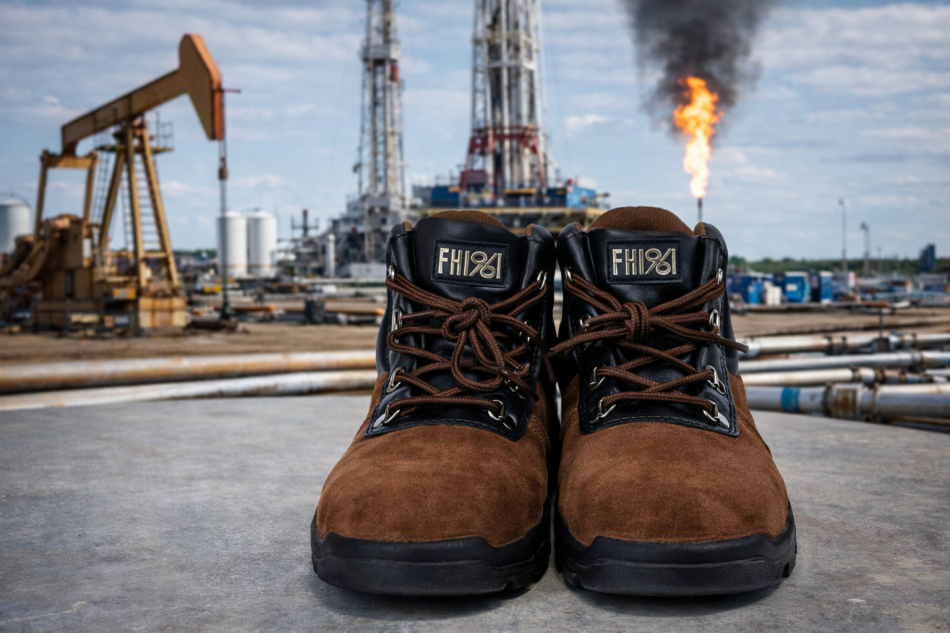
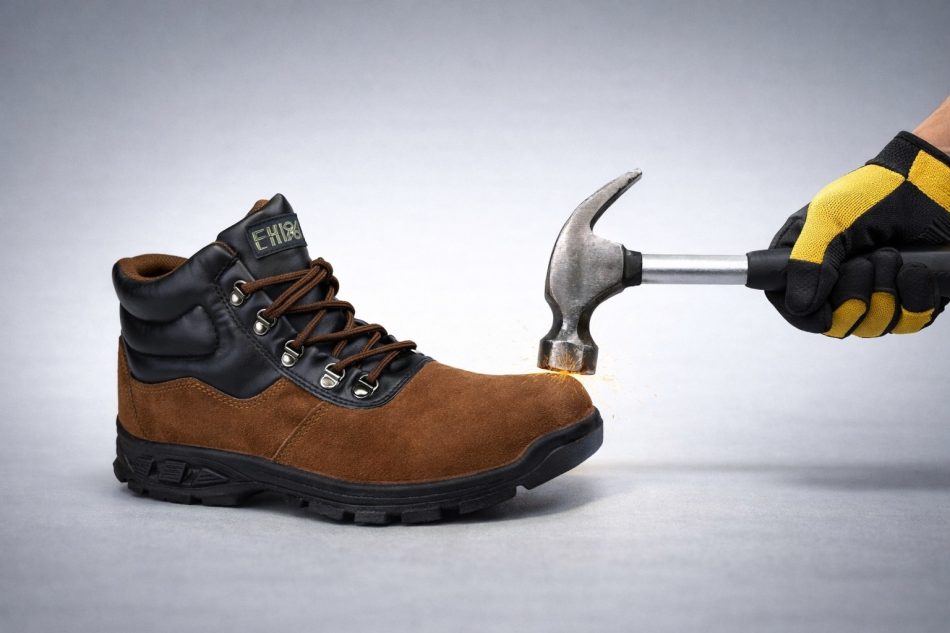
Many distributors treat suede safety footwear as a simple style choice, but buyers usually ask for it when a leather boot looks too heavy for the workplace. A brown suede upper can make a safety shoe feel less harsh in uniform programs for packing lines, warehouse supervisors, assembly teams and maintenance support staff who work away from wet chemical zones.
The main value of this model is worker acceptance. If a team stands on concrete, moves stock and handles parts bins all day, comfort and appearance influence whether the footwear is worn correctly. The dual-density outsole supports cushioning, while the steel toe helps protect against dropped tools, cartons, pallet edges and light machinery contact.
This page is written around dry-work selection. Suede should not be sold as the best choice for continuous wet floors or oily washdown. It is strongest where dust, scuffs, long standing and repeated walking are the real daily problems.
Buyer Guide
How to Position Suede for B2B Buyers
Dry floor comfort
For warehouses and assembly areas, the buyer often worries about worker fatigue before chemical resistance. The product needs to help feet feel less punished by concrete while keeping a recognizable safety appearance.
Catalog differentiation
Brown suede gives a catalog a warmer visual option. That helps private-label brands separate the model from plain black commodity shoes and build a clearer footwear range.
Material and construction logic
The suede upper provides a softer surface and a lighter visual story than black embossed leather. It fits dry workshops where the buyer wants a shoe that can appear in catalogs, showroom shelves and uniform photos without looking bulky.
The PU/PU dual-density sole supports a cushioning story for long standing and moderate walking. It is suitable for stock rooms, dry assembly lines and light maintenance routes where the outsole needs to flex without feeling thin.
A good purchasing conversation should ask about dust level, moisture level, cleaning routine and expected replacement cycle. If workers regularly contact oil or wet outdoor areas, another upper or outsole should be considered.
For range planning, compare this model with Anchen anti-fatigue footwear category and review factory consistency on the manufacturing facilities page.
Specification
Brown Suede Model Checklist
Sample Testing and Repeat Order Checks
Ask the end customer to test suede in the actual dust and cleaning routine used on site. A sample that looks good in the office should still look acceptable after contact with cartons, pallet wood and concrete dust.
For staff who stand at packing stations, fit feedback should be collected after a half shift, not only during a short sample try-on. Heel hold, toe room and underfoot softness are the comments that matter most.
Private-label buyers should keep the brown shade, lace color and sole color stable across repeat orders. Visual consistency is important when this shoe is used as a catalog differentiator. Add one department-specific note to the order sheet: whether workers spend most of the shift at a fixed station, walking between racks, or pushing carts. That detail helps the buyer choose cushioning, size mix and repeat order timing with less guesswork.
FAQ
FAQ for Brown Suede Safety Shoes Buyers
Where does suede work best?
Suede works best in dry indoor or semi-indoor jobs where comfort and appearance matter. Wet chemical zones need a different product discussion.
Is this only a fashion shoe?
No. The model is positioned as safety footwear with protective options, but it uses a warmer visual material to improve worker acceptance.
What buyers should choose this model?
Distributors serving warehouses, packing lines, dry workshops and light industrial uniforms can use this model as a comfort-oriented option.