Use Case
Breathable Safety Shoes for Warm Indoor Work
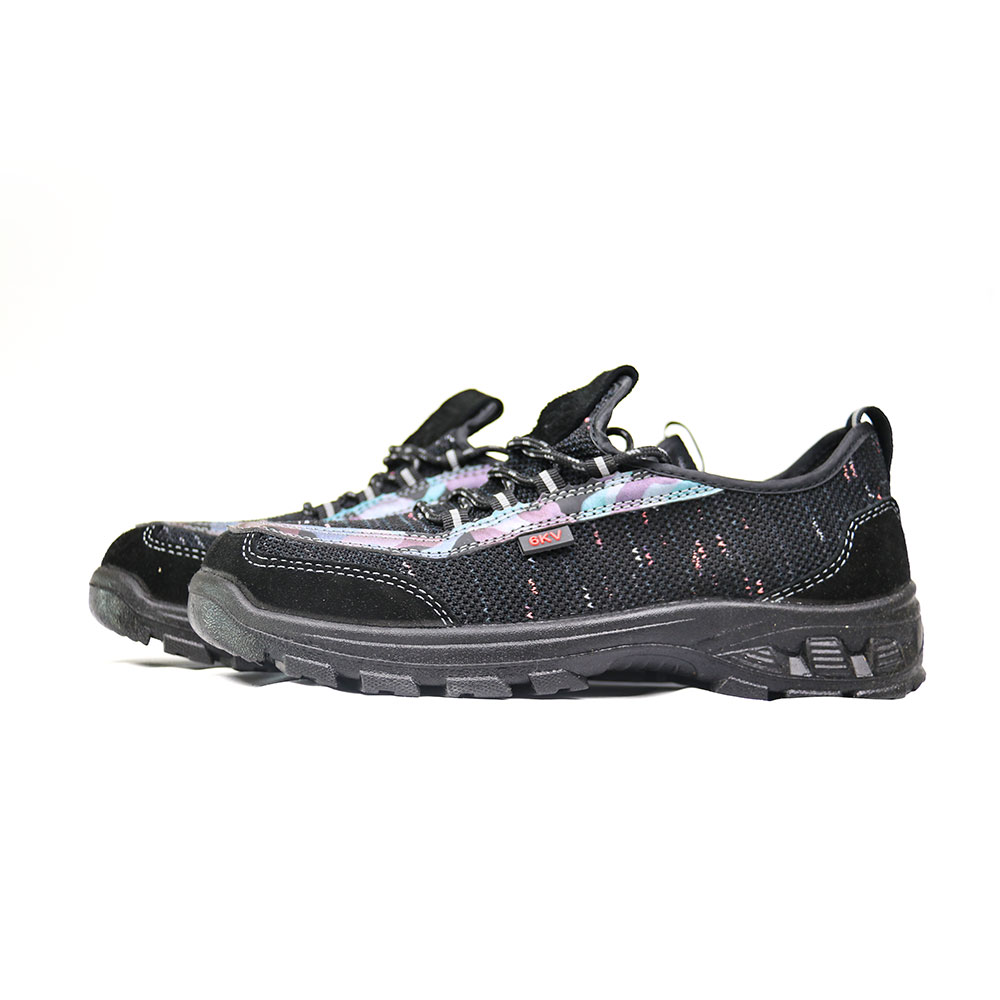
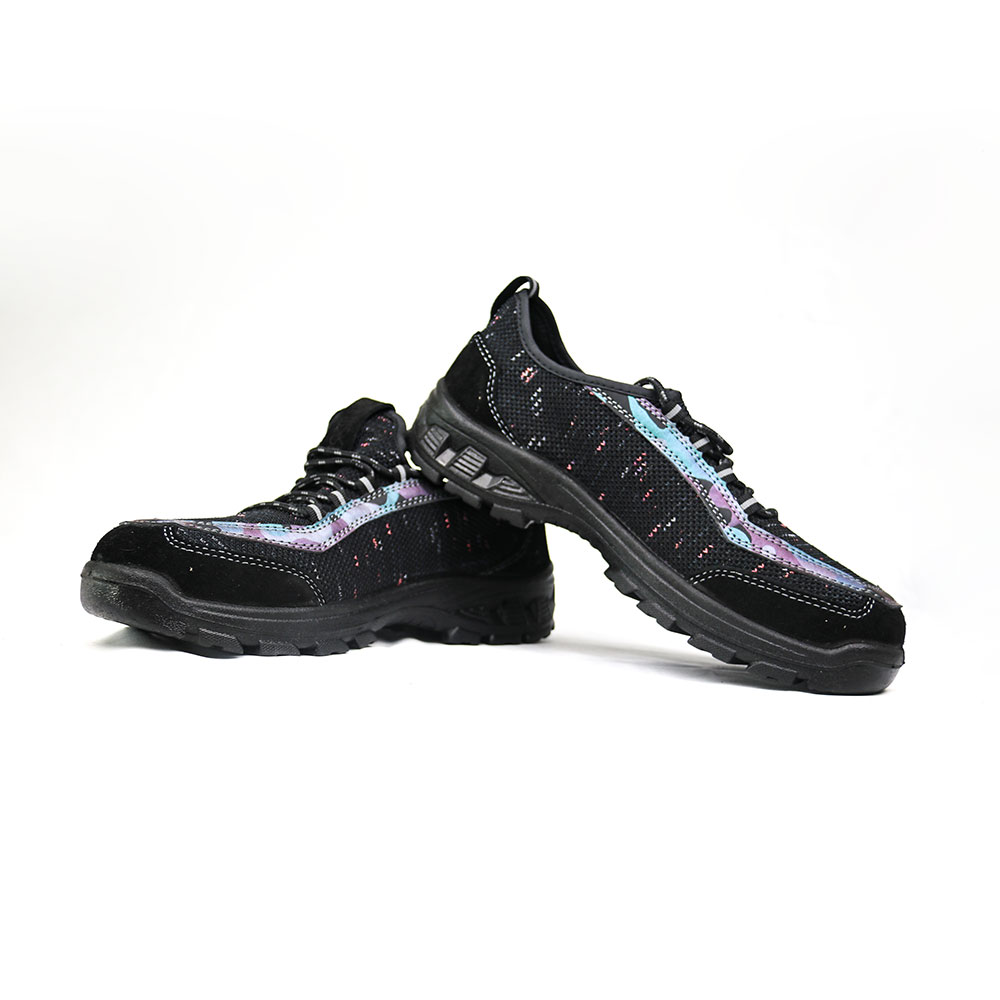
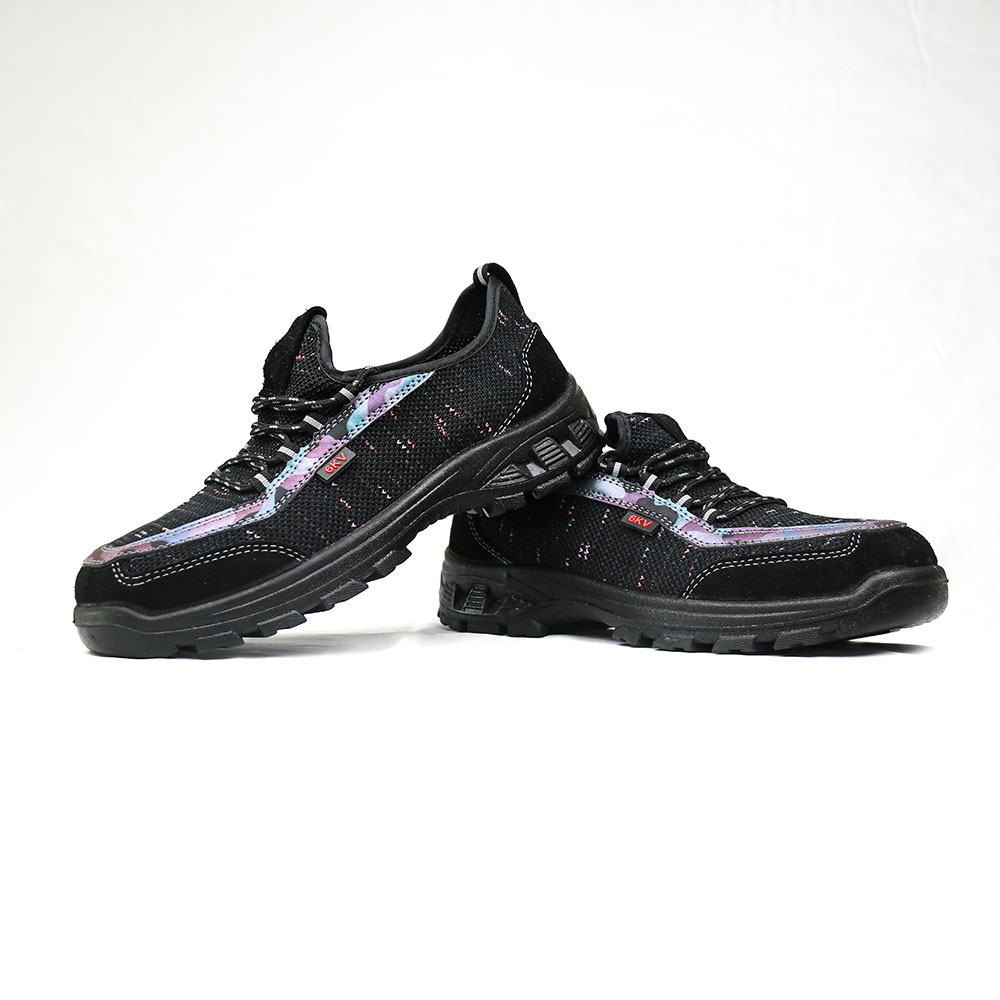
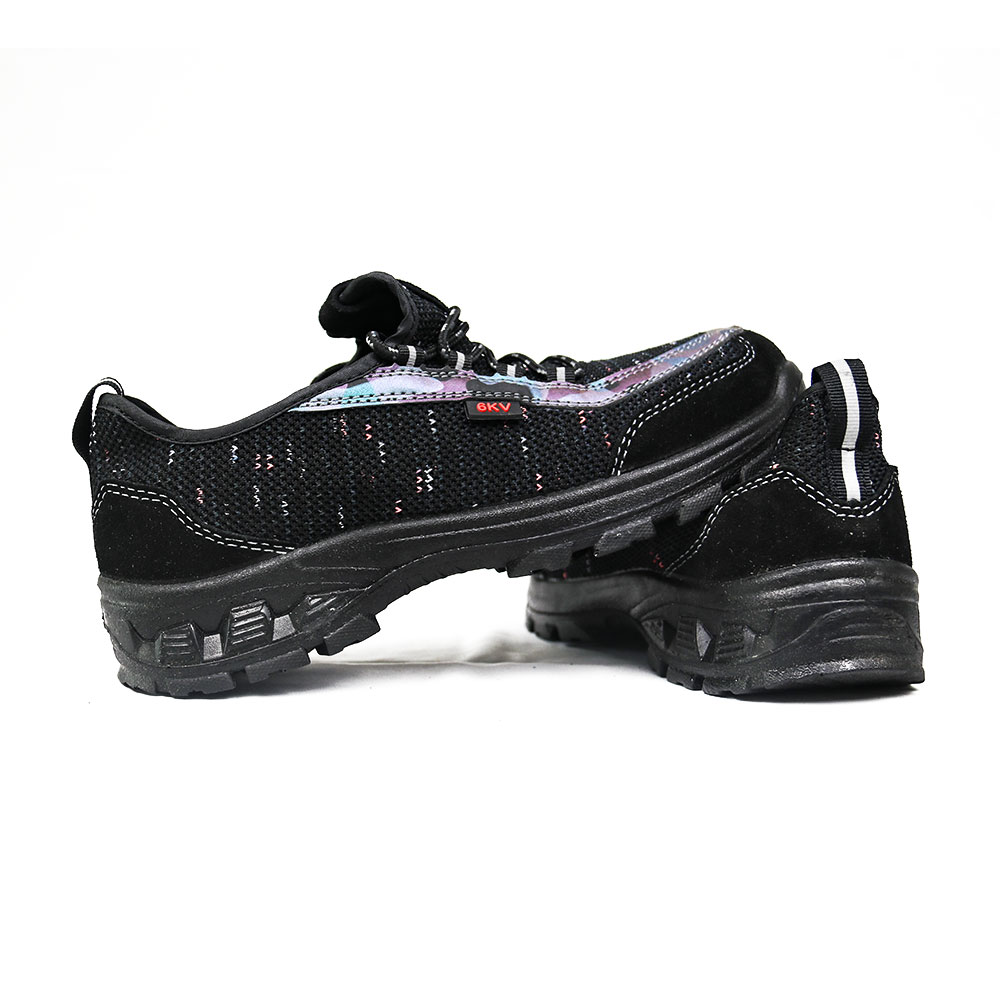
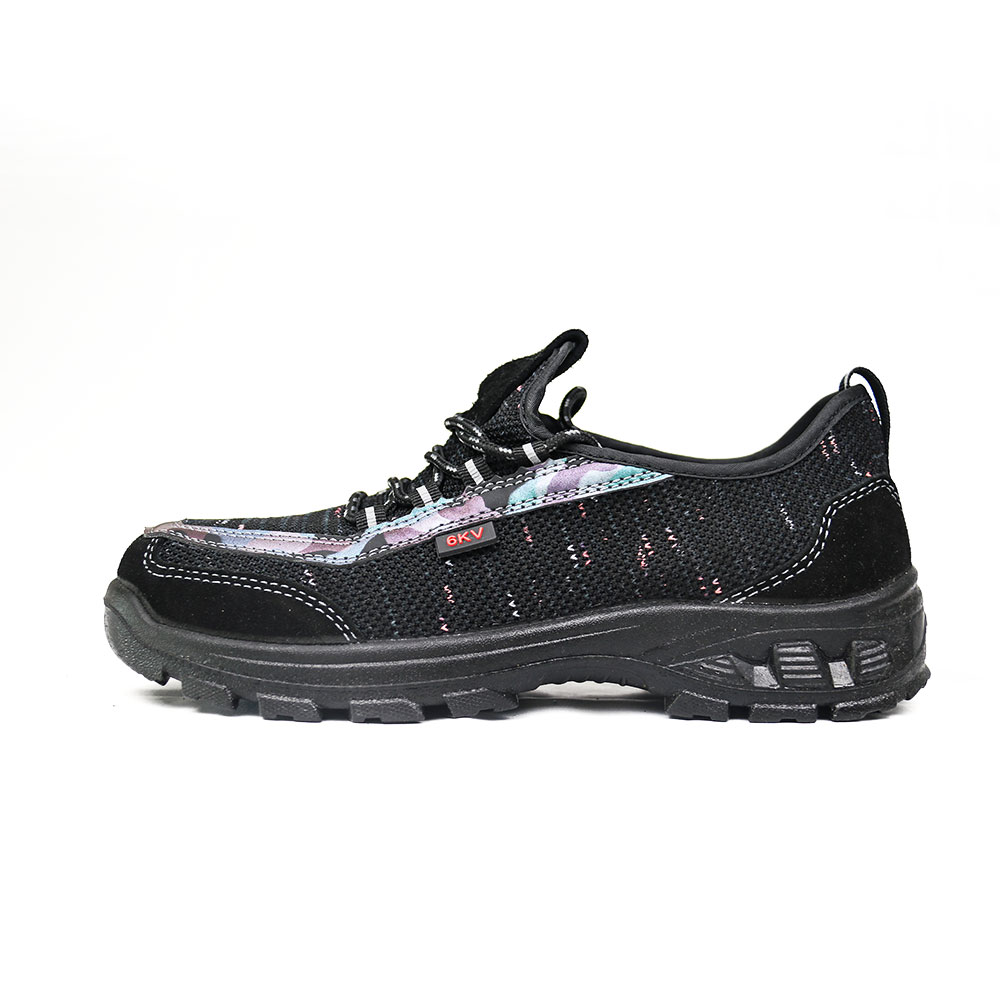
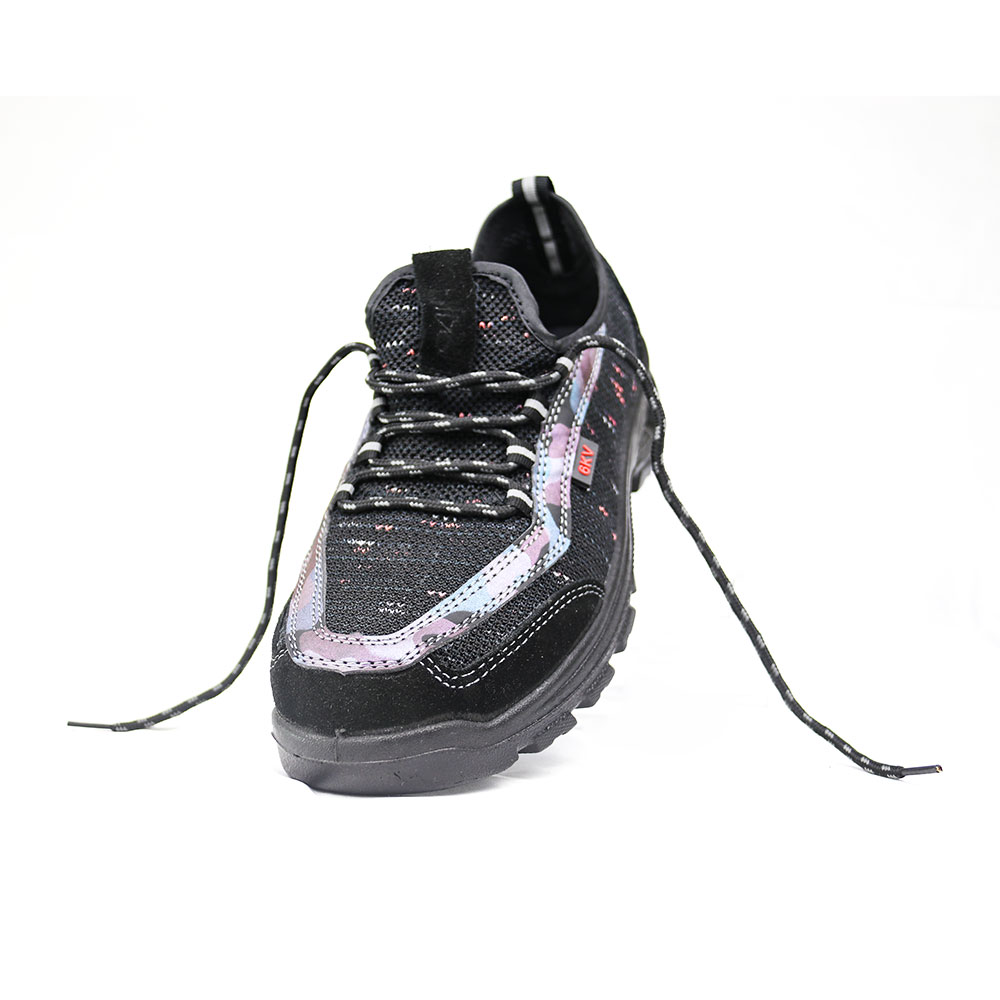
AC1602 gives buyers a hybrid flyknit and suede safety shoe for indoor teams that need airflow, support and a more substantial upper than pure mesh.
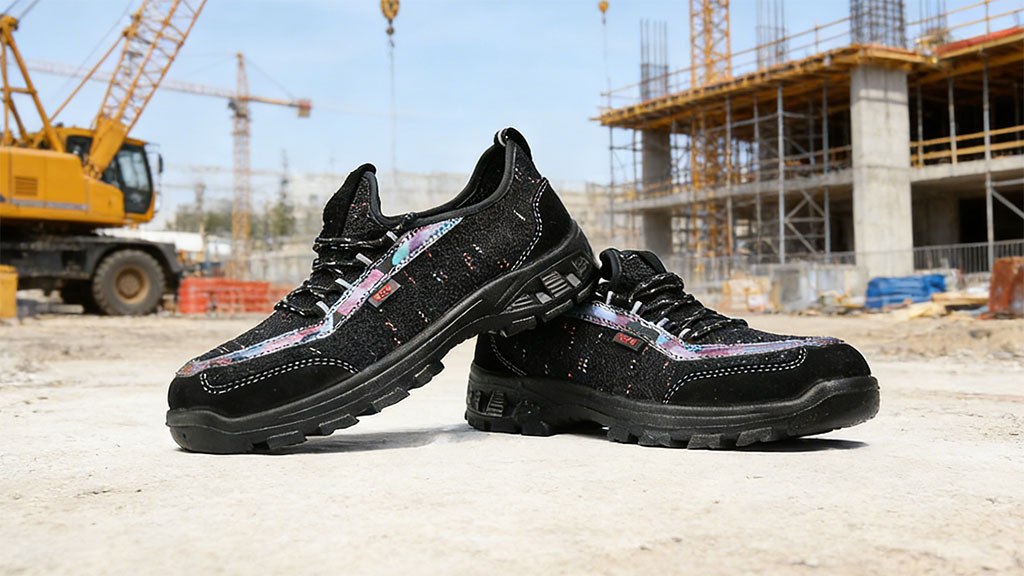
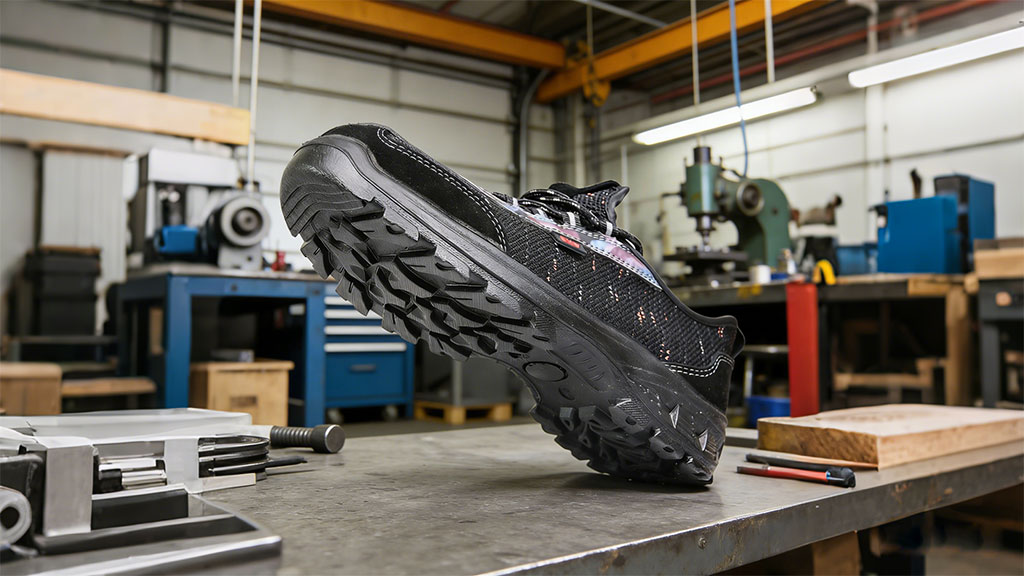
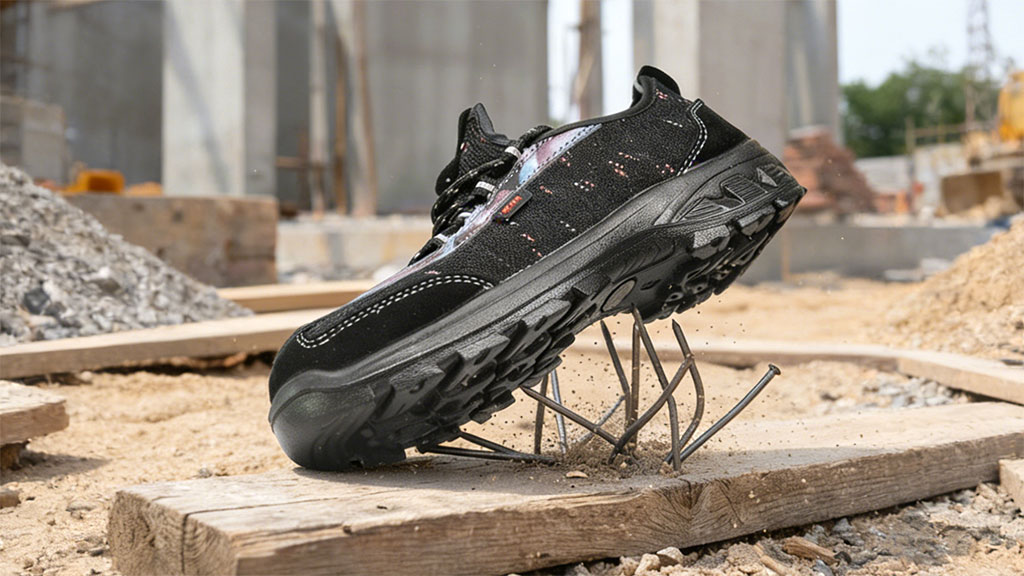
A breathable safety shoe should solve a real workplace problem, not just sound comfortable. In hot assembly rooms, warehouses and service departments, workers often complain about sweaty feet and heavy footwear. If the product is too light, buyers worry about durability. If it is too heavy, workers resist it. A flyknit and suede upper gives a balanced story between airflow and support.
AC1602 is positioned for warm indoor jobs where movement, standing and moderate protection are all part of the shift. It suits picking routes, packaging stations, light maintenance, quality inspection and factory support teams that do not work in constant water, mud or chemical splash.
The strongest page angle is selection clarity. Breathable footwear is valuable when heat and movement are the limiting factors. It should not be pushed into harsh cutting, welding, solvent or washdown environments where upper durability and liquid protection become more important.
Buyer Guide
Breathability Without Losing Industrial Use
Upper balance
Flyknit improves airflow, while suede can add structure and abrasion resistance in selected zones. The buyer should check where the foot bends and rubs during work.
Floor conditions
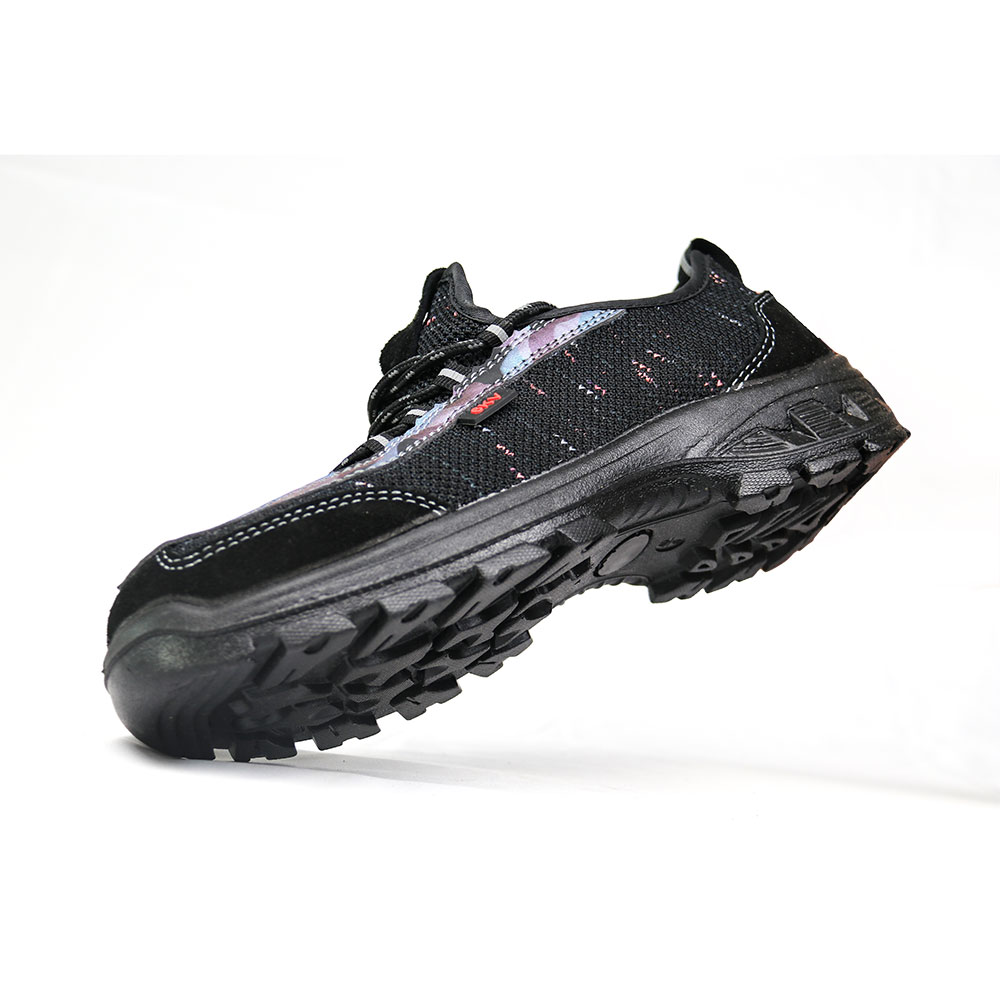
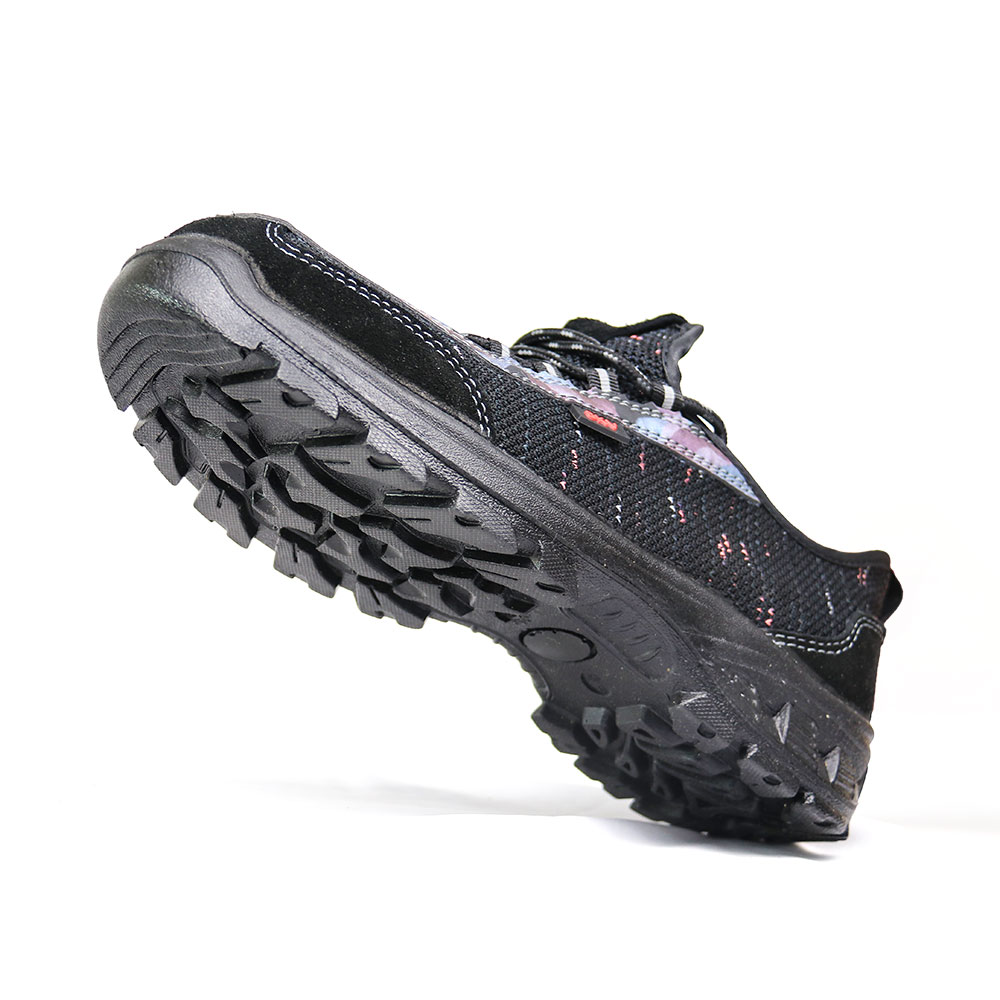
Breathable does not replace outsole selection. Painted concrete, dusty warehouse floors and occasional water all need different traction reviews.
Material and construction logic
The hybrid upper lets sales teams explain comfort and support together. It is more convincing than saying mesh is cool, because B2B buyers also need durability and uniform appearance.
PU/PU and PU/rubber options can be matched to the site. A softer sole may help long walking, while a rubber bottom may be chosen where heat or abrasion exposure is higher.
Before production, confirm whether the buyer values breathability, outsole grip or visual style most. That priority should guide sample approval and catalog copy.
For related comfort categories, see wide toe box ergonomic safety shoes and compare outsole testing support on Anchen testing page.
Specification
Breathable Safety Shoe Checklist
Sample Testing and Repeat Order Checks
Sample testing should include a warm part of the shift. Heat feedback collected in a cool office will not represent worker experience.
Check whether suede support zones rub against the foot during crouching and turning. Breathability must not create pressure points.
For repeat orders, ask customers to separate comfort feedback from durability feedback. A model can feel excellent but need a different outsole, or it can be durable but too warm. Clear feedback helps refine the next production run without changing every component at once. A useful distributor page should also explain cleaning and replacement expectations. Breathable uppers can collect dust differently from smooth leather, so the buyer should know whether workers are in clean packing rooms, dusty storage aisles or mixed indoor routes. When those details are included, the page becomes a buying guide instead of a thin product description. A breathable model should still be reviewed as protective equipment, not only as a summer comfort item. Buyers should check toe-cap room, lace tension, lining abrasion, outsole grip after dust exposure and whether the upper material keeps its shape after repeated flexing. When a distributor sells to warehouse, packing, light assembly or maintenance teams, the best product story is a balance of airflow, dependable protection and a clean appearance that supervisors will accept for daily uniform use.
FAQ
FAQ for Breathable Safety Shoes Buyers
Where are breathable safety shoes most useful?
Warm indoor workplaces with walking or standing, such as warehouses, packing lines and quality inspection.
Are breathable uppers waterproof?
No. Breathability and waterproofing are different goals. Wet work needs another construction.
What should buyers confirm before bulk order?
Confirm floor dryness, toe protection, outsole grip, upper durability and worker heat feedback during a real shift before approving production.