Use Case
Food Processing Work Boots for Real Workplace Selection
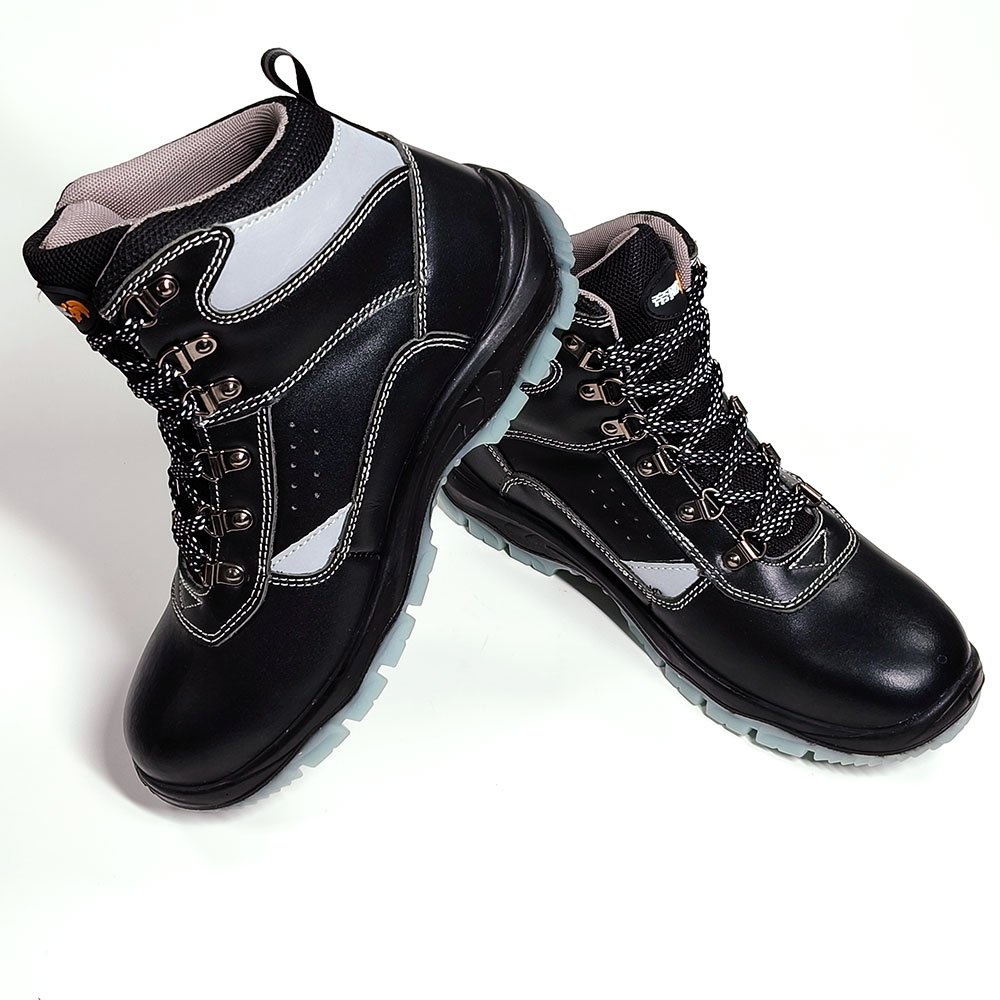
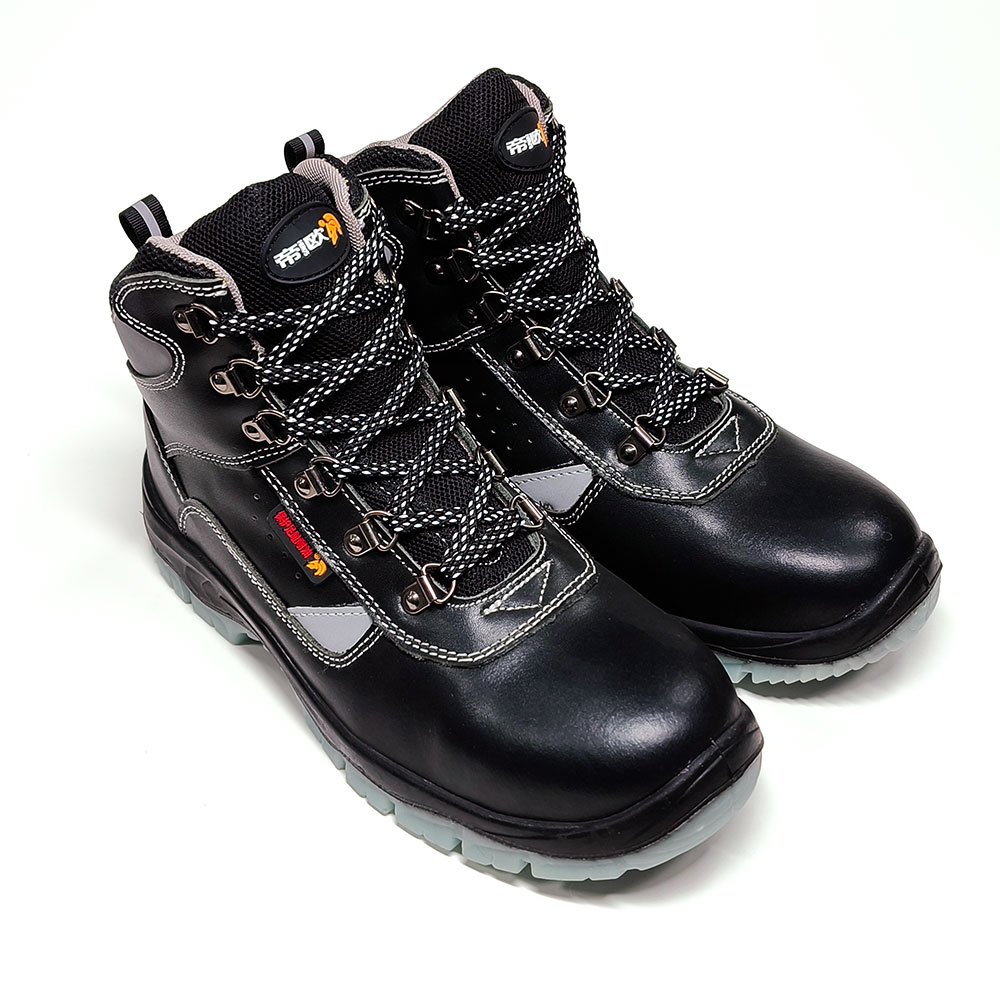
Food Processing Work Boots for food processing, chilled rooms, cleaning-adjacent routes and wet industrial service teams, with.
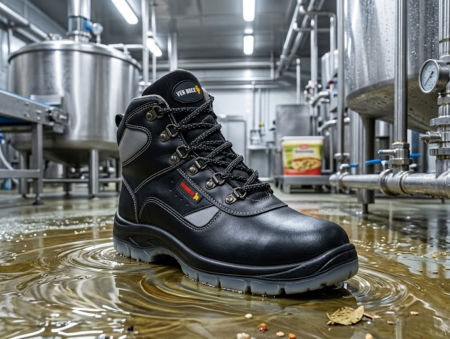
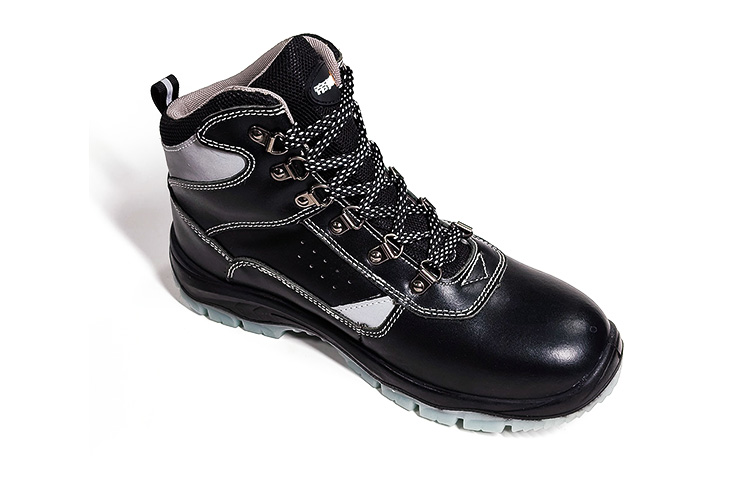
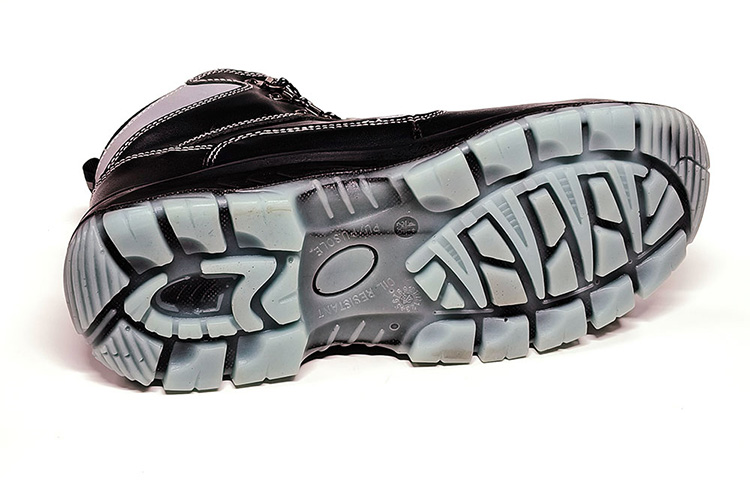
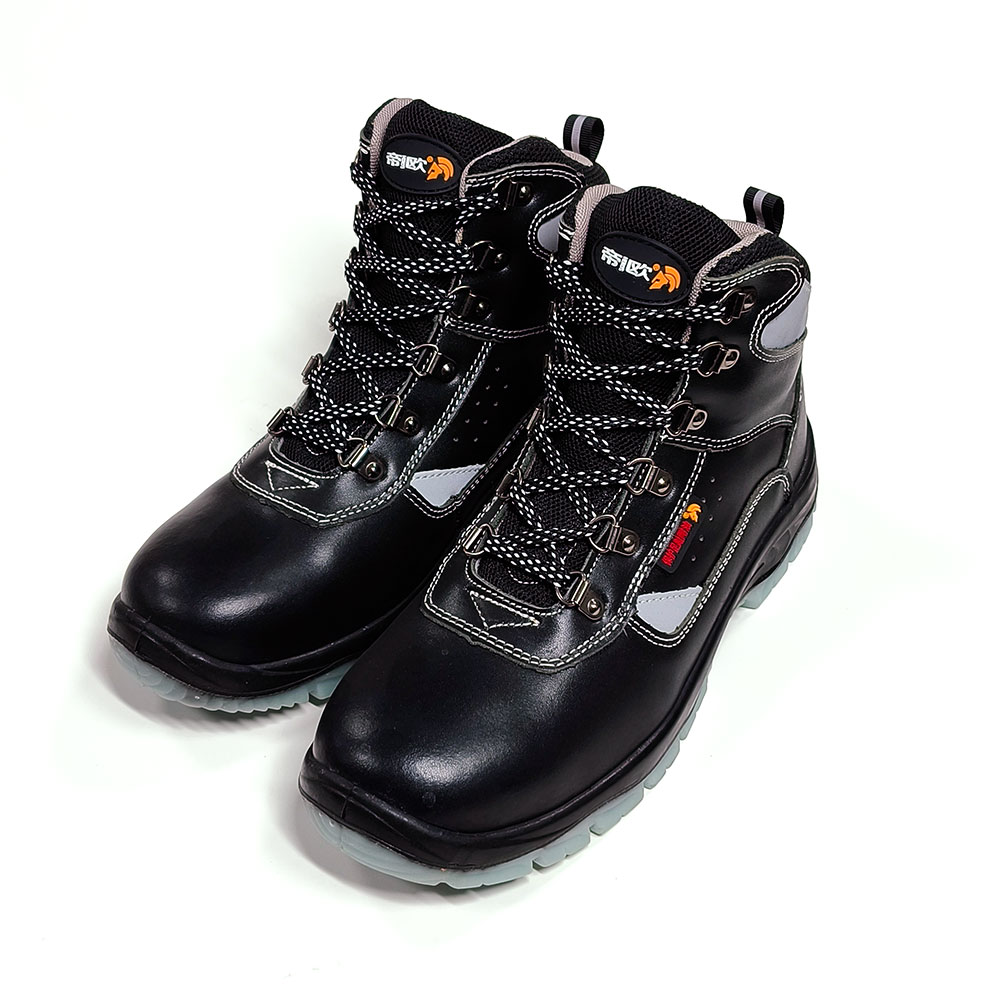
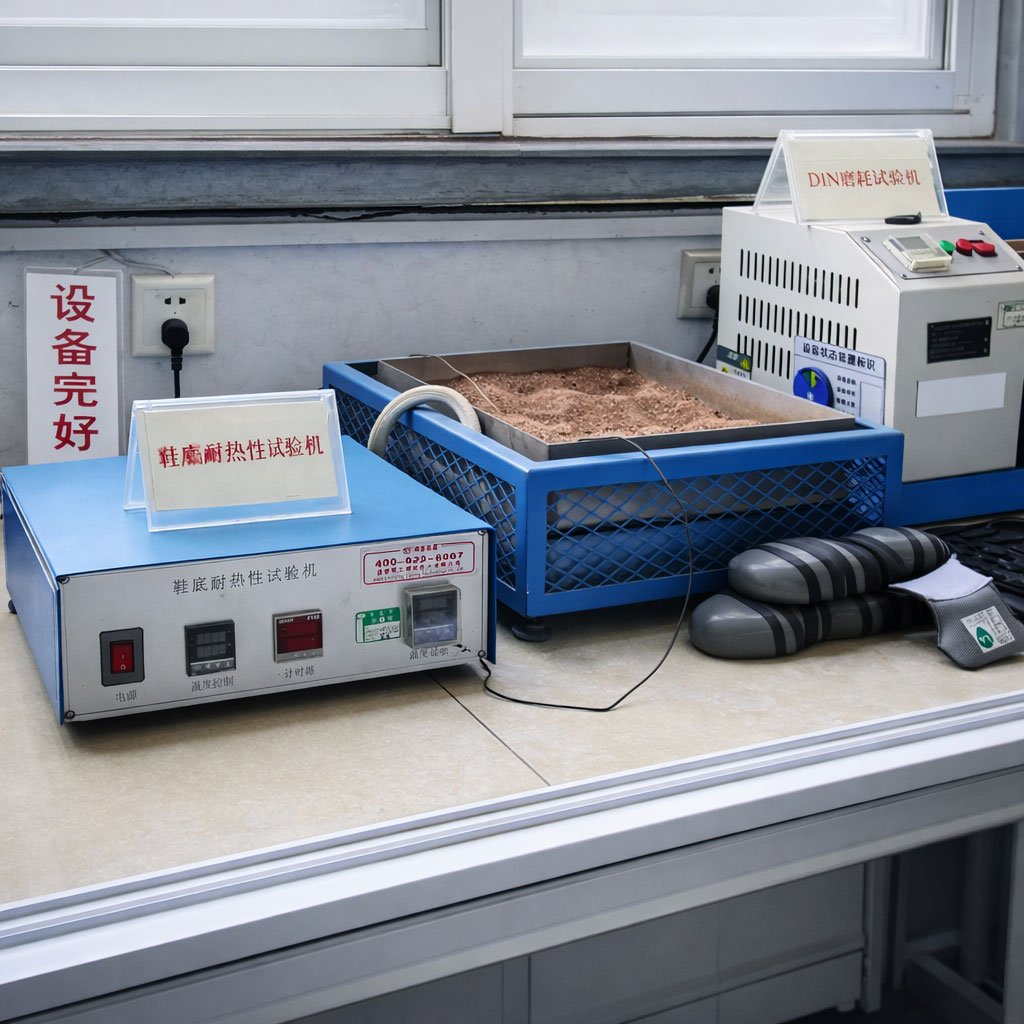
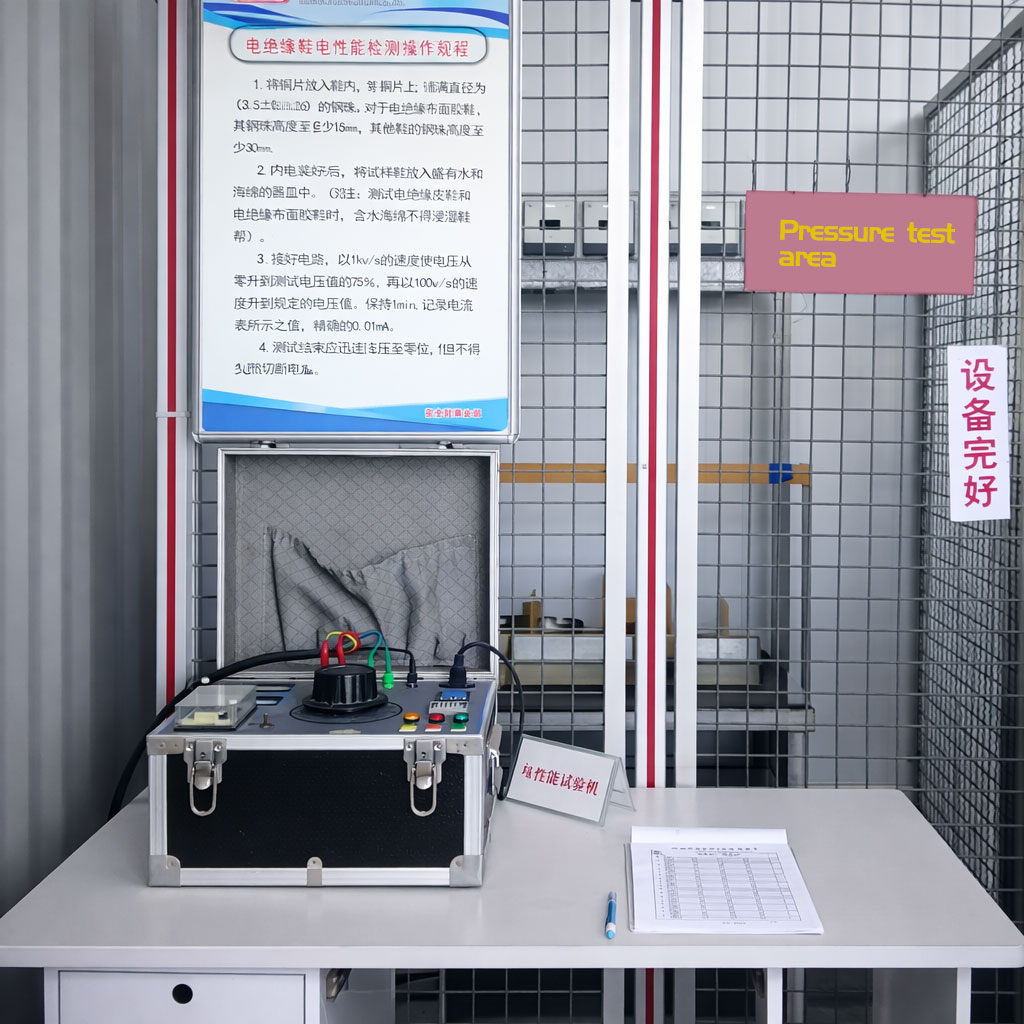
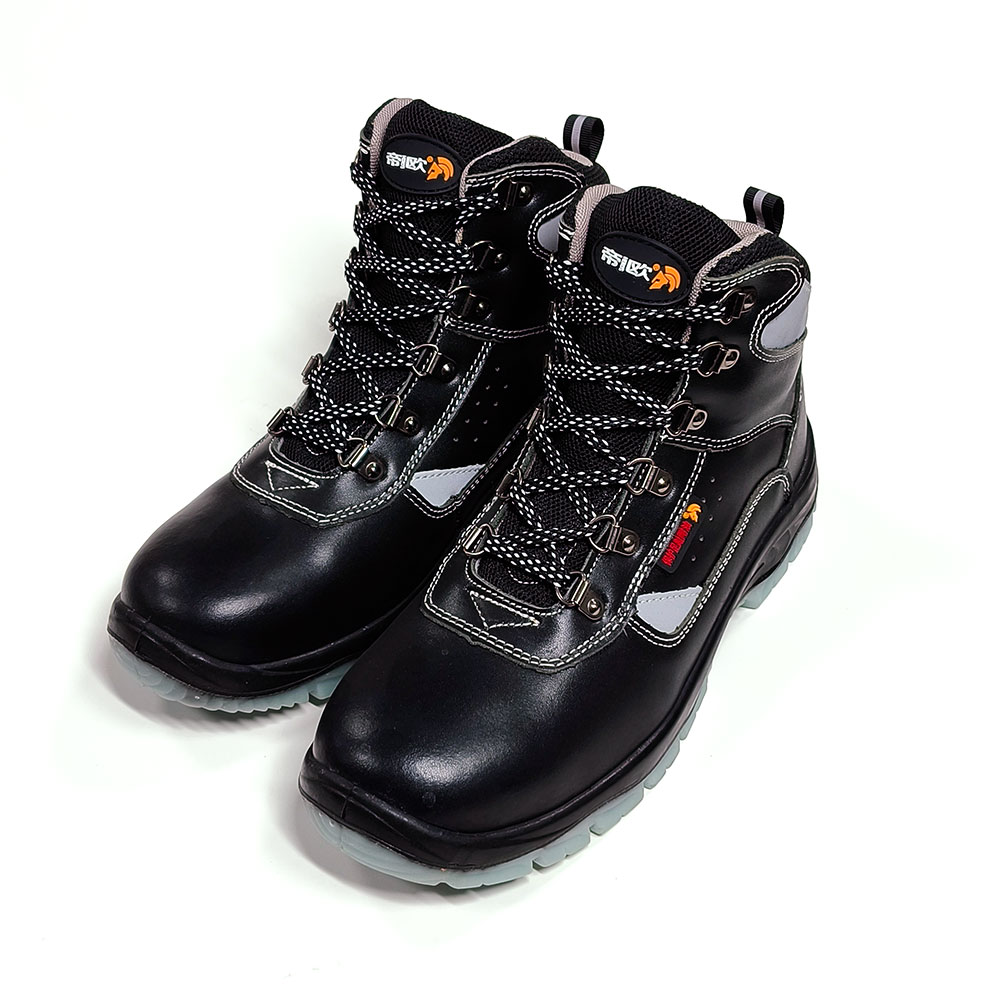
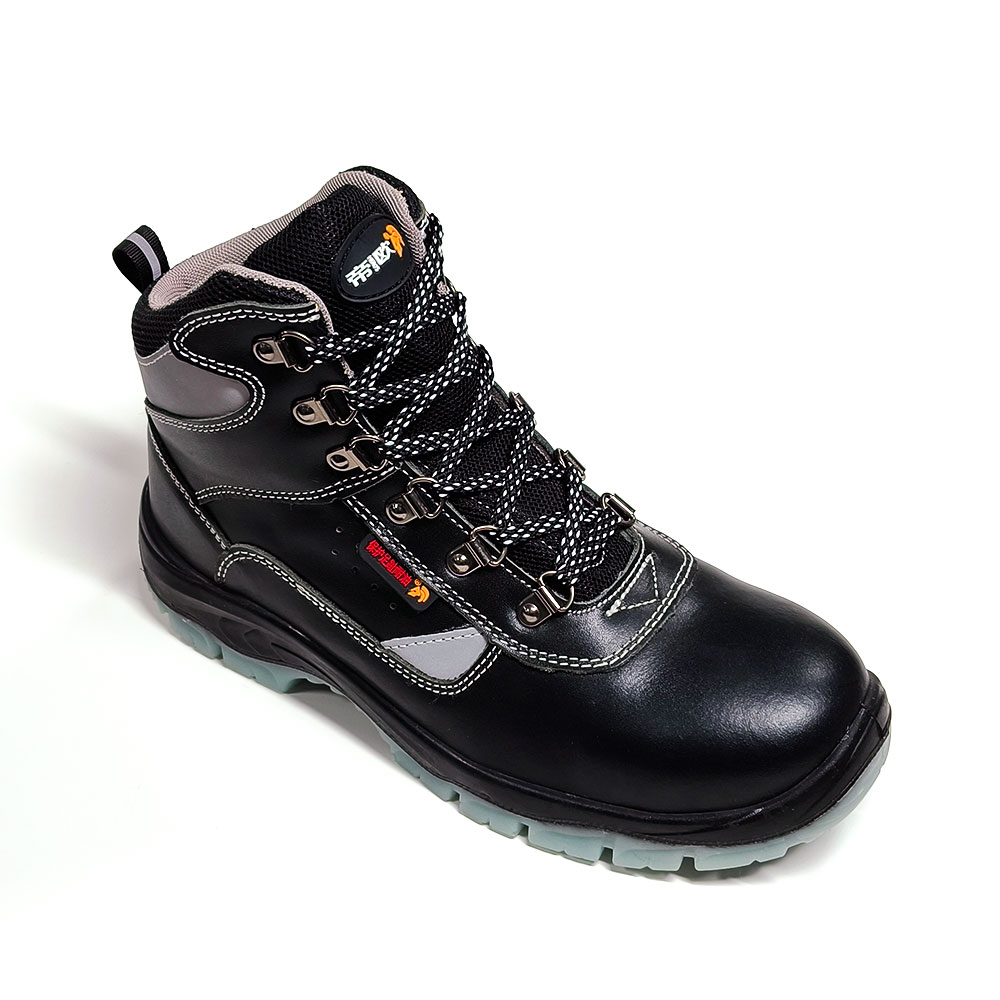
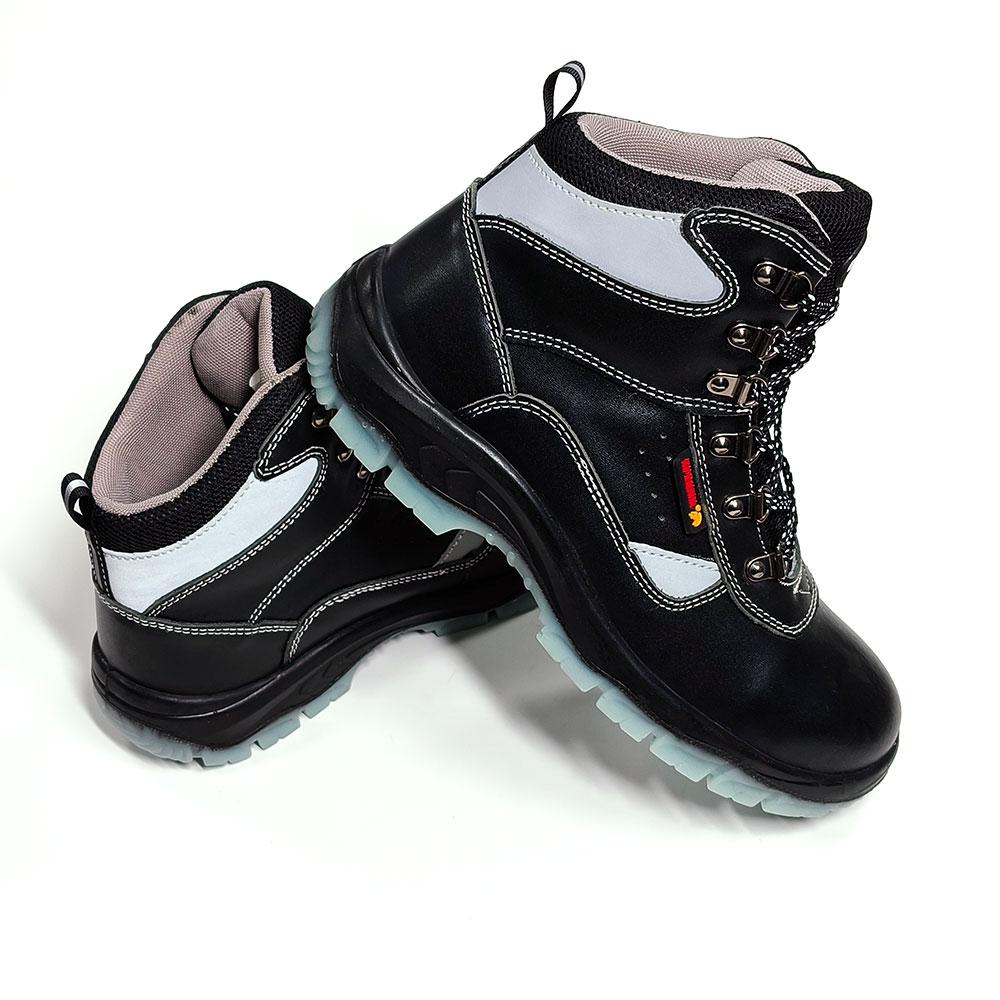
Food Processing Work Boots is best evaluated as oil and water-resistant boots for food processing supply discussions. Buyers comparing this model should start with the route workers actually walk, the floor surface underfoot and the type of protection the department expects from one pair of shoes. A product page should not force a buyer to guess whether a model belongs in a warehouse, a workshop or a wet-service area.
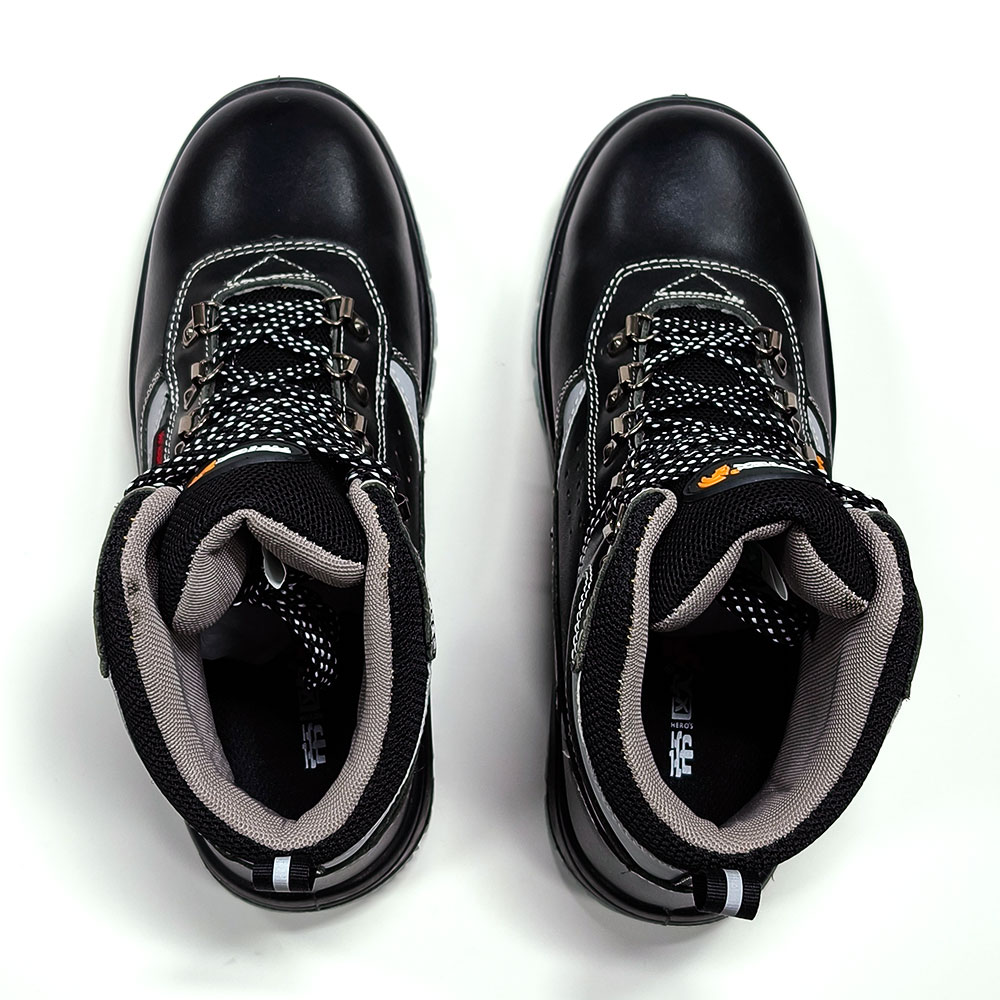
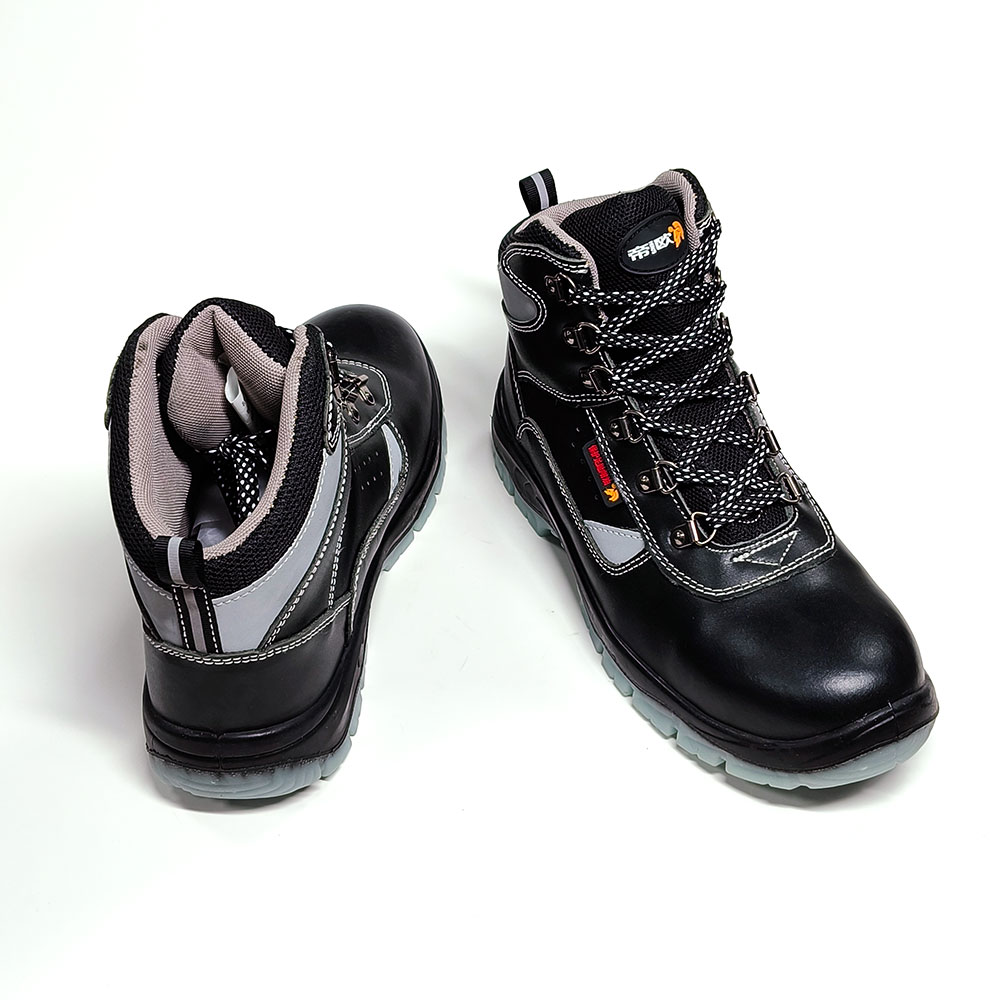
The practical fit is food processing, chilled rooms, cleaning-adjacent routes and wet industrial service teams. In those settings, the main concern is oil and water contact, hygiene expectations, outsole cleaning and slip-control discussions. This model uses men’s oil and water-resistant work boot construction for food processing environments, so the purchasing discussion should connect the visible materials with comfort, cleaning, impact protection and repeat supply requirements.
For distributors, the model can help build a clearer catalog line because it has a specific material story and a defined workplace match. For safety managers, the value is easier internal communication: the shoe is not simply another safety shoe, but a model that can be checked against floor condition, shift length, toe protection needs and worker acceptance.
Before sample approval, ask workers to walk the normal route, bend at the job station and report pressure around the toe, instep and heel. That simple field test often reveals more than a desk review. It also helps the buyer decide whether the shoe should become a standard issue model, a seasonal option or a targeted department model.
Buyer Guide
Buyer Guide for Food Processing Work Boots
Food processing hygiene and wet-floor planning
Food processing work boots need a different buying discussion from general industrial footwear. The risks include wet floors, cleaning chemicals, organic residue, temperature changes and hygiene routines. Buyers should check whether the boot surface can be cleaned quickly, whether tread grooves trap residue, and whether the outsole maintains grip after repeated washing. Comfort also matters because processing workers often stand in one zone for long periods with limited chances to change footwear.
Sample review method
A good sample trial should include the cleaning team, not only line workers. Ask how long it takes to rinse visible soil, whether the boot dries between shifts and whether labels or seams create dirt traps. If the buyer supplies multiple departments, separate wet processing, packing and cold-room support because each area has different footwear stress.
This model is a good candidate for importers and distributors serving food plants, beverage facilities, fish or meat processing, washdown rooms and other hygiene-sensitive workplaces.
For related capability checks, review Anchen safety footwear resources and compare ordering support through Anchen product and service information.
Specification
Specification and Sample Review
Product role
Food Processing Work Boots is positioned for food processing, chilled rooms, cleaning-adjacent routes and wet industrial service teams. The main buying question is how well the upper, toe protection and outsole match oil and water contact, hygiene expectations, outsole cleaning and slip-control discussions.
Material focus
men’s oil and water-resistant work boot construction for food processing environments. During approval, confirm the supplied material, toe-cap choice, outsole compound and size run before bulk production.
Food processing hygiene and wet-floor planning
- Rinse outsole grooves after wet residue exposure.
- Check upper surface for cleanable dirt traps.
- Review comfort during long standing at processing lines.
Ask workers to wear the sample during normal tasks rather than only trying it on at a desk. Useful feedback includes heat, heel movement, toe pressure, outsole confidence, cleaning effort and visible wear after the first trial period.
FAQ
FAQ for Food Processing Work Boots Buyers
Who should consider this model?
It is best for buyers serving food processing, chilled rooms, cleaning-adjacent routes and wet industrial service teams. The style is most useful when the workplace risk includes oil and water contact, hygiene expectations, outsole cleaning and slip-control discussions.
What should be checked before a bulk order?
Confirm the toe protection requirement, outsole exposure, upper cleaning routine, worker feedback and carton labeling. A short workplace trial gives stronger evidence than a showroom inspection alone.
Can this model support OEM or distributor programs?
Yes. Anchen can discuss size runs, logo placement, packaging and sample confirmation for distributors or brand owners that need a repeatable safety footwear program.