Use Case
Anti Fatigue Suede Shoes for Concrete-Floor Teams
AC16-0103F focuses on the comfort problem behind many safety shoe searches: workers stand, walk and turn on hard concrete for a full shift.
Foot fatigue is not only a personal comfort complaint. It affects how workers move near carts, pallets and assembly benches. If a shoe feels hard by midday, workers may loosen laces, change posture or avoid walking routes that are actually required by the job. That is why buyers should compare floor type, shift length and movement pattern.
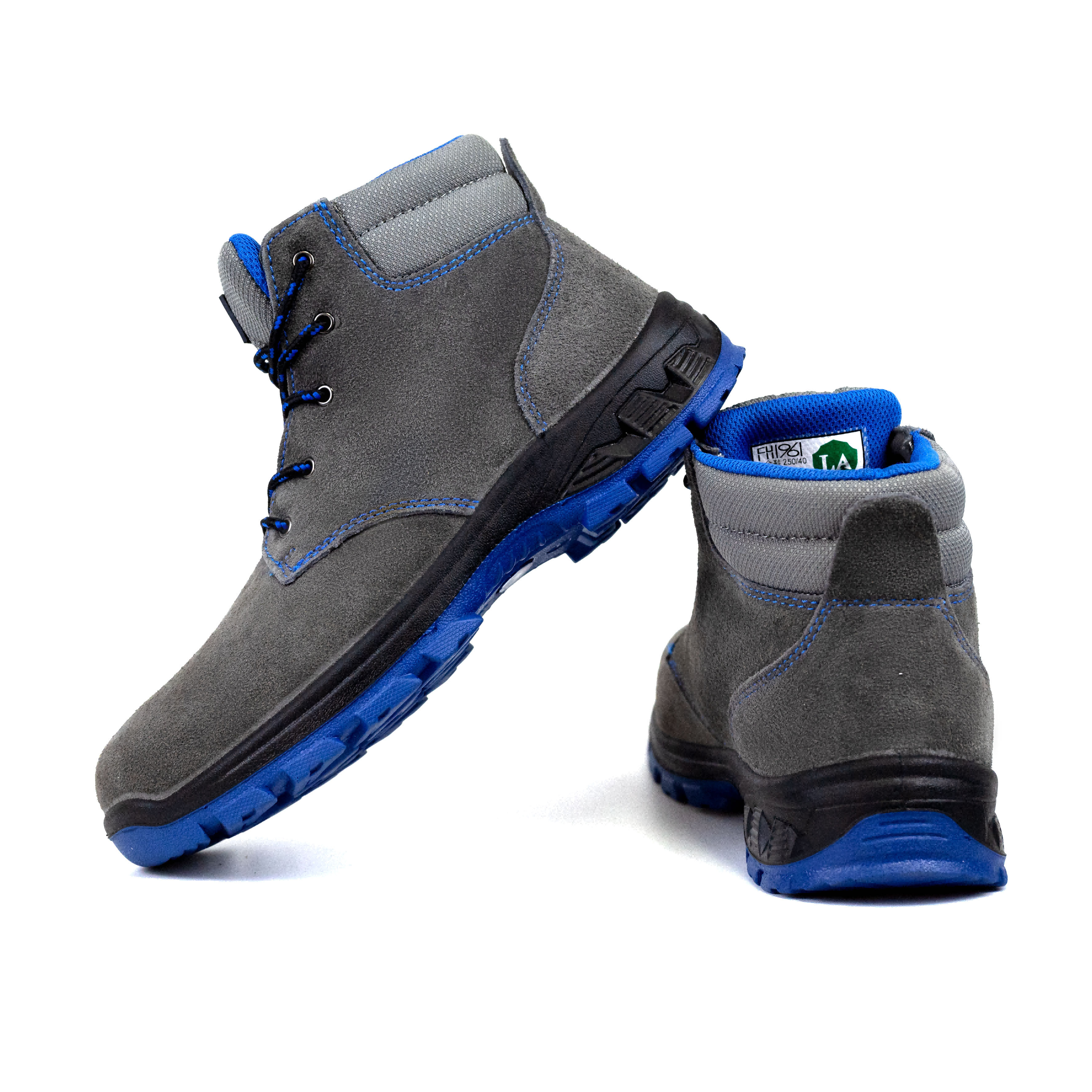
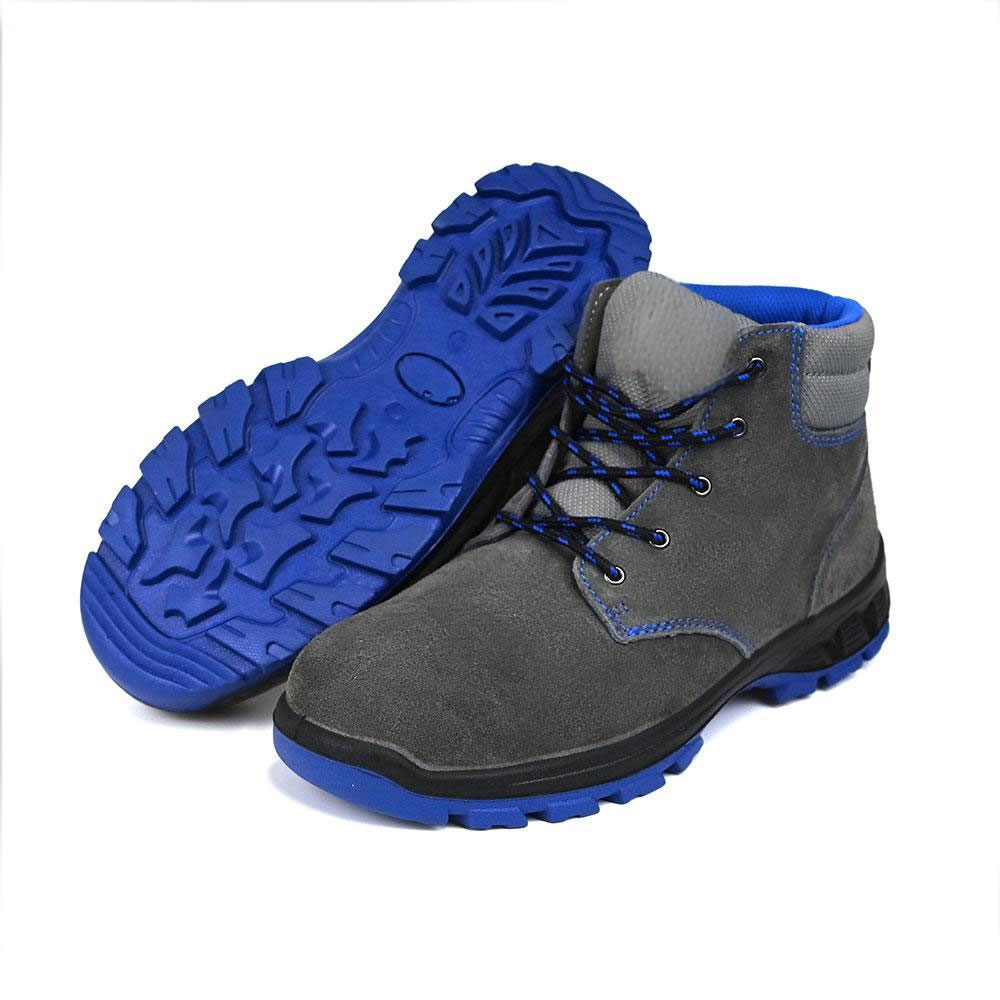
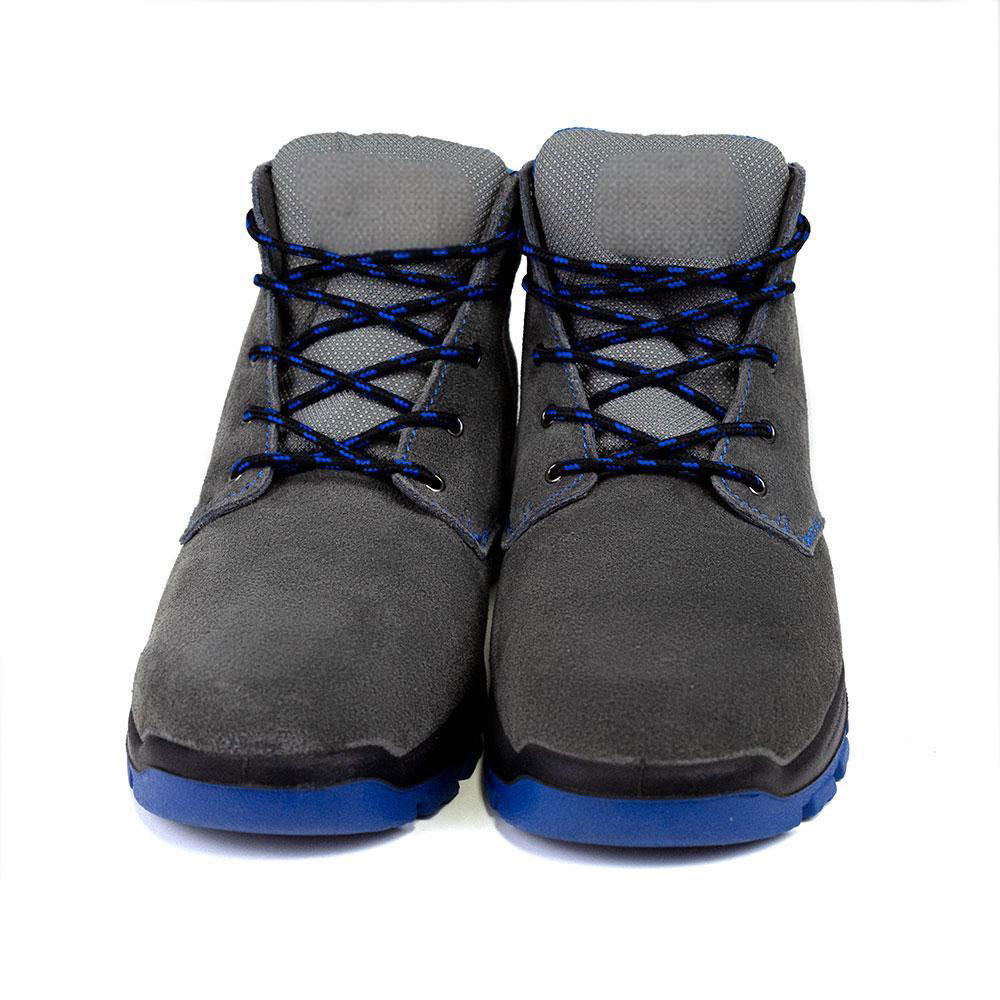
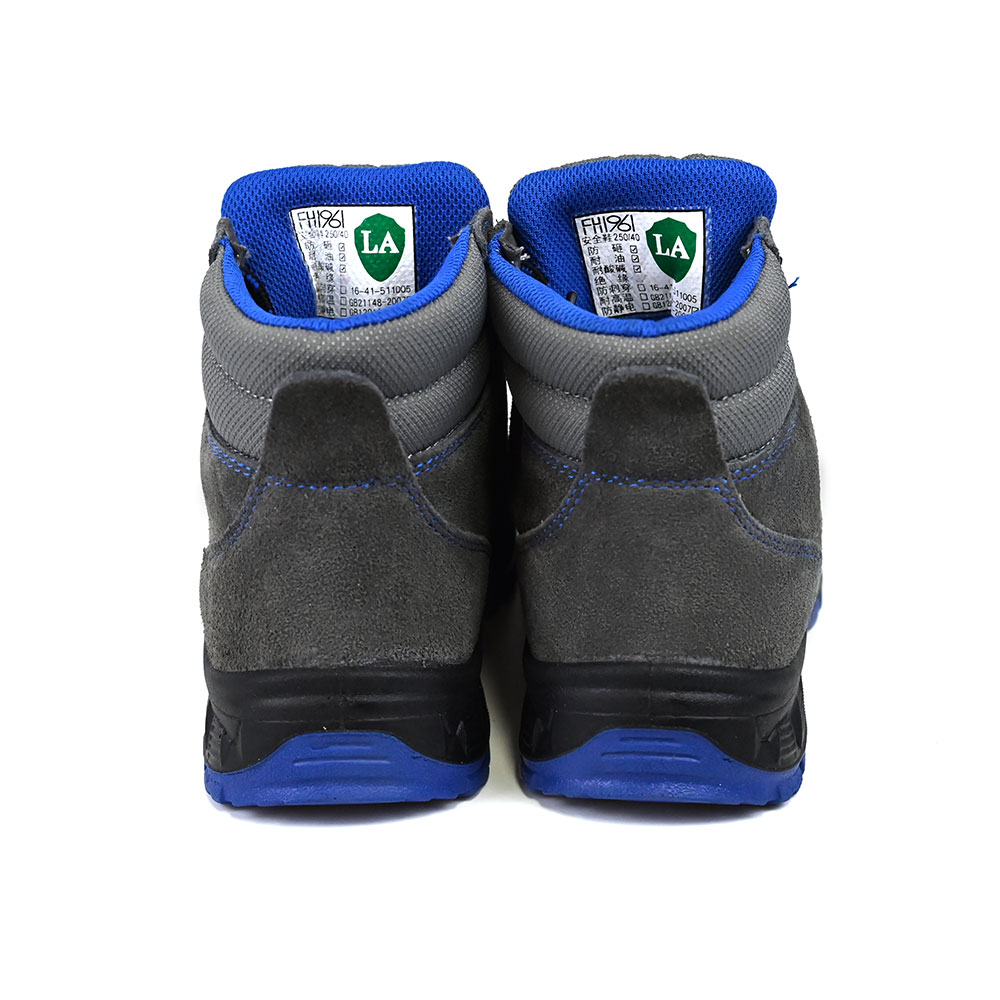
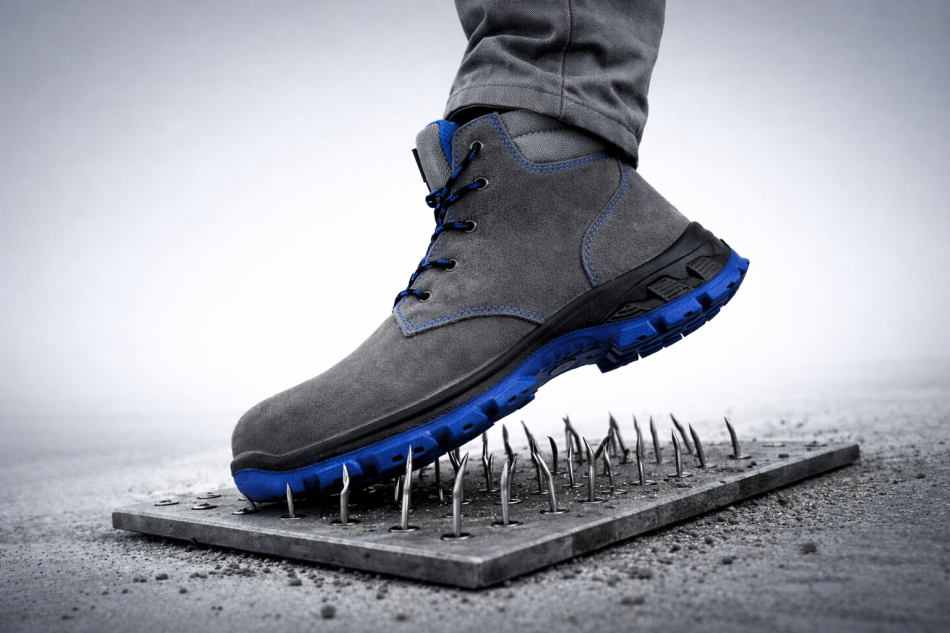
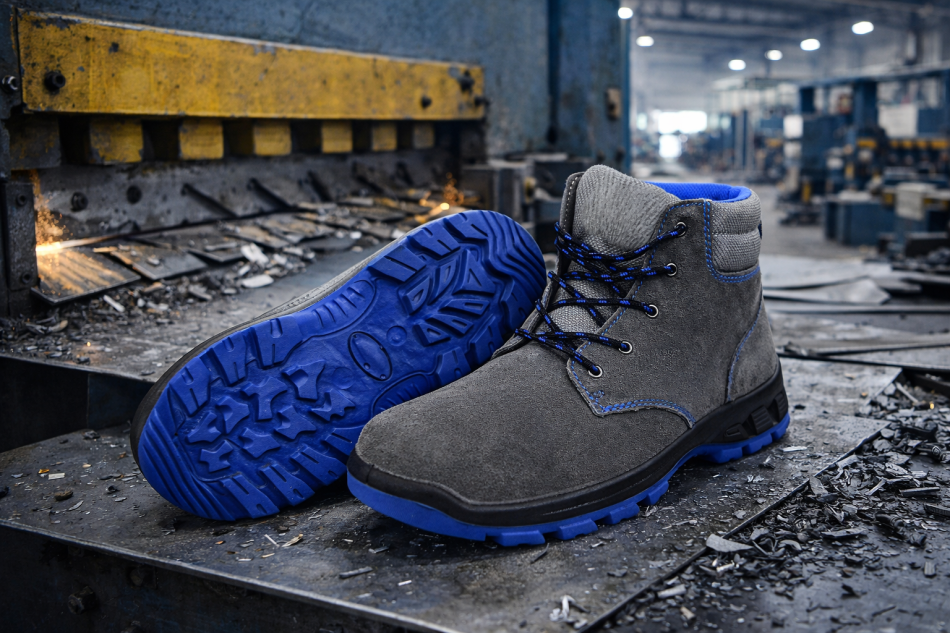
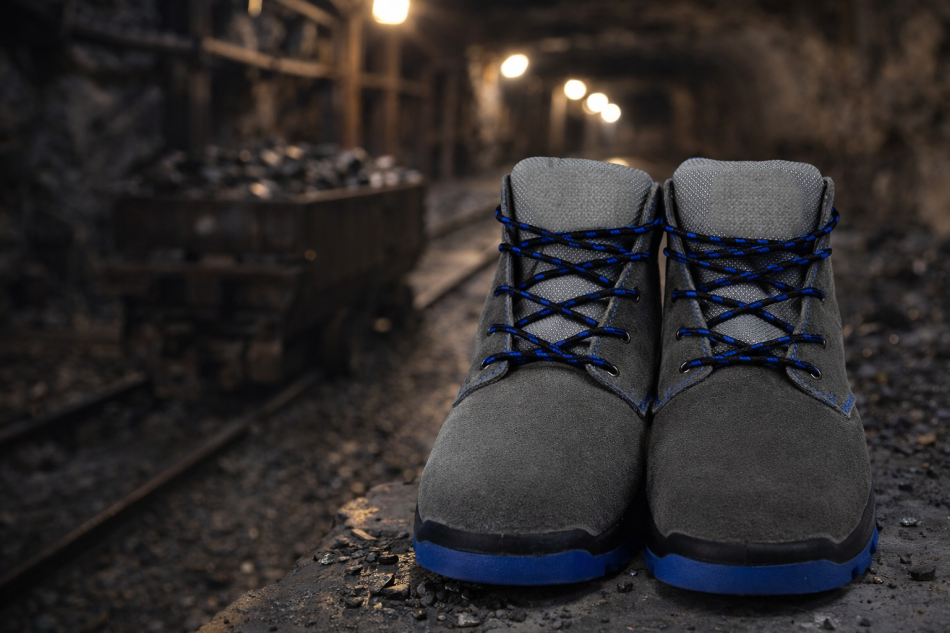
The AC16-0103F uses a grey suede upper and PU/PU dual-density sole to create a softer walking story for dry industrial use. It remains a safety shoe, not a leisure sneaker, so toe protection and factory durability stay part of the purchasing conversation. The model is a good fit for packing lines, kitting areas, assembly support, stock movement and maintenance teams that work mostly indoors.
Buyer Guide
How Buyers Should Evaluate Fatigue
Movement mapping
A worker who stands at one station needs different support from a worker who walks thousands of steps between racks. The model should be tested against the real route.
Fit over time
Feet can swell during a shift. A sample that feels fine at 9 a.m. can feel tight later, especially around a protective toe cap.
Material and construction logic
Grey suede gives the shoe a softer upper feel and a less bulky look for indoor work. It is most useful where workers are not exposed to continuous wet floors or heavy chemical contact.
The PU/PU dual-density sole supports the anti-fatigue story because it combines cushioning with a more durable walking surface. Buyers should compare comfort after several hours, not only first-step softness.
For distributors, the best sales angle is a fatigue-reduction product for repeat movement on hard floors. Avoid claiming medical outcomes. Focus on workplace selection, sample feedback and lower replacement dissatisfaction.
For related comfort-first product grouping, visit the anti-fatigue safety footwear category and use Anchen OEM service process.
Specification
Anti-Fatigue Purchase Checklist
Sample Testing and Repeat Order Checks
Test the sample after several hours on concrete. Short try-ons often overrate comfort because the worker has not yet experienced standing fatigue.
Collect comments from more than one department. Packing staff, stock movers and maintenance support may all describe comfort differently.
Repeat order decisions should compare complaint rate, outsole wear and fit feedback after real use. If the same shoe will cover several departments, build the size mix from actual worker counts and not from a generic market ratio. This reduces returns and helps the distributor defend the product to safety managers who ask why this anti-fatigue story is different from a normal work shoe. Buyers should also note where complaints usually start: forefoot pressure, heel rubbing, hot feet or sole hardness. Each complaint points to a different purchasing decision, so useful supplier guidance should help the safety manager diagnose the real fatigue problem before choosing quantity. This makes the content more helpful than a simple comfort claim.
FAQ
FAQ for Anti Fatigue Suede Shoes Buyers
Does anti fatigue mean medical footwear?
No. It means the model is positioned around cushioning and shift comfort for hard industrial floors, not as a medical treatment.
Where does this model fit best?
Dry indoor work such as packing, assembly, warehouse walking and light maintenance support.
What should buyers test first?
They should test comfort after hours of standing and walking, plus toe room after normal foot swelling.