Use Case
Acid Resistant Safety Shoes for Chemical-Adjacent Work
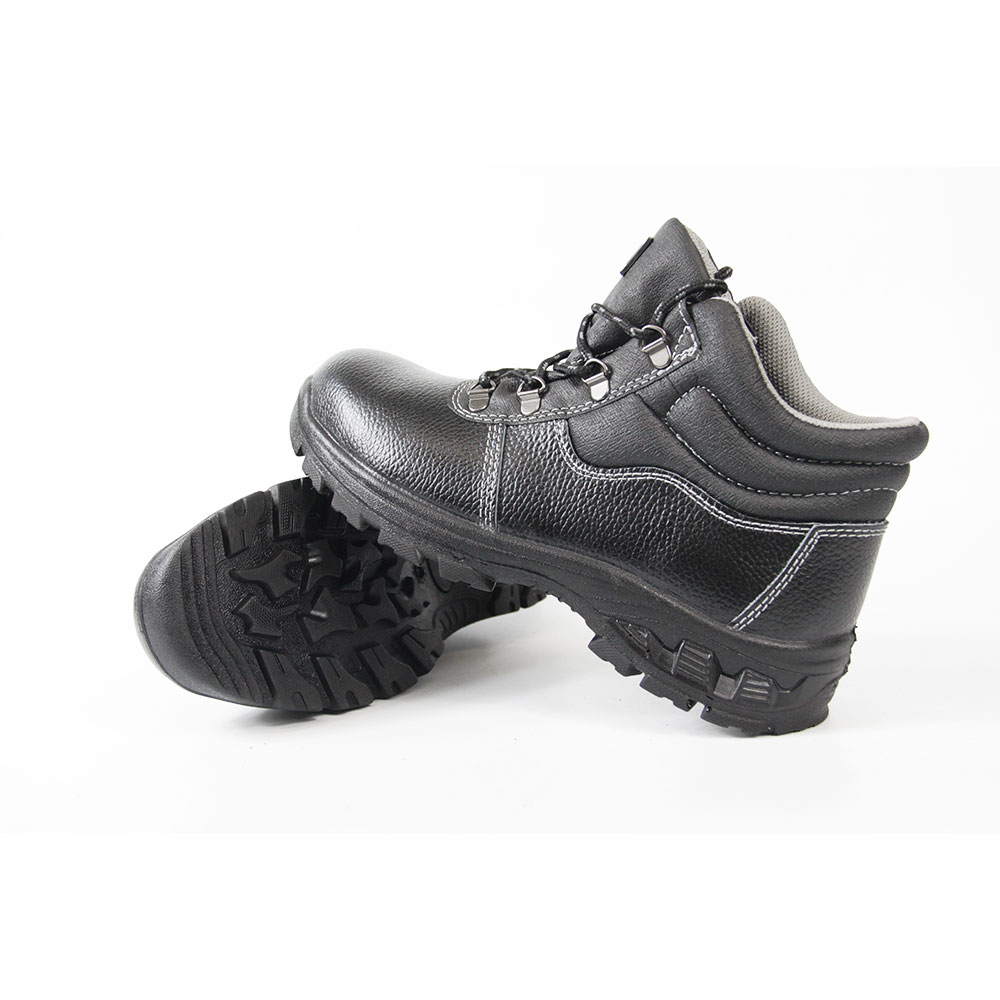
AC1207 is built for maintenance shops, light chemical handling, battery service rooms, paint areas, oily floors and general factory teams that need dependable toe protection without moving into a heavy rubber boot.
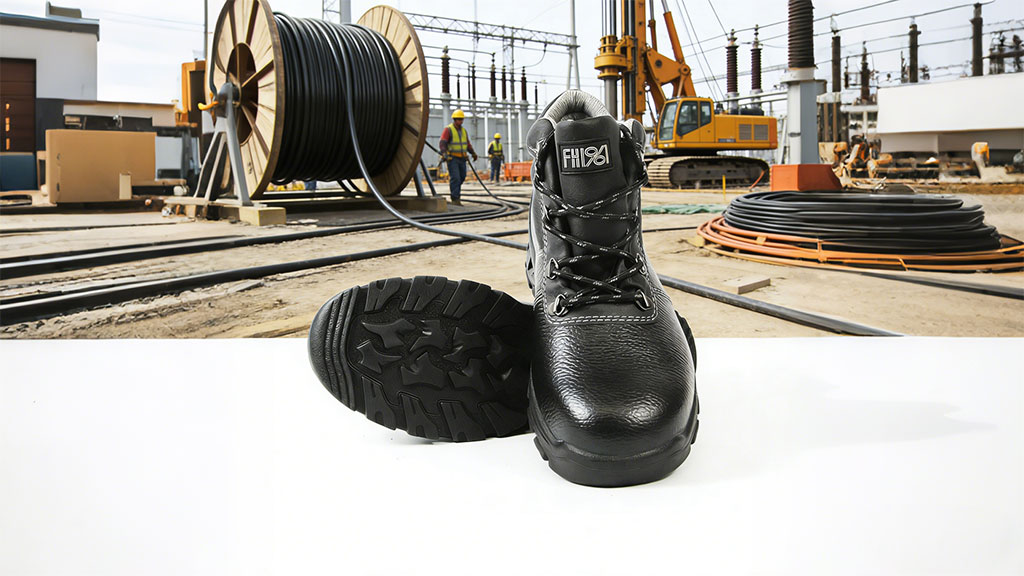
Many buyers search for chemical resistant footwear and find either rubber boots for washdown jobs or generic steel toe shoes for dry floors. The real purchasing problem sits between those two extremes. A technician may work around diluted cleaning fluids, cutting oil, light splashes, wet loading bays and concrete floors in the same shift. The shoe has to protect toes, stay comfortable for walking, resist early sole failure and still look acceptable as part of a plant uniform.
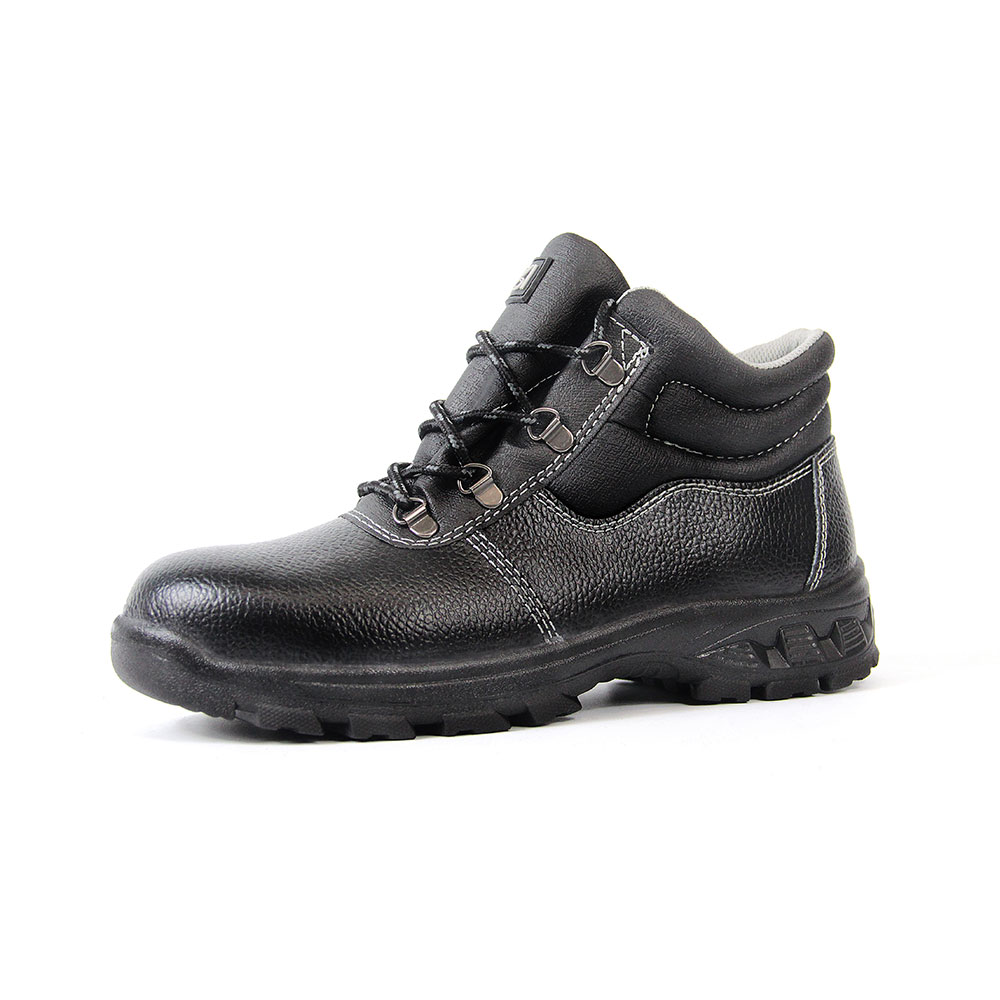
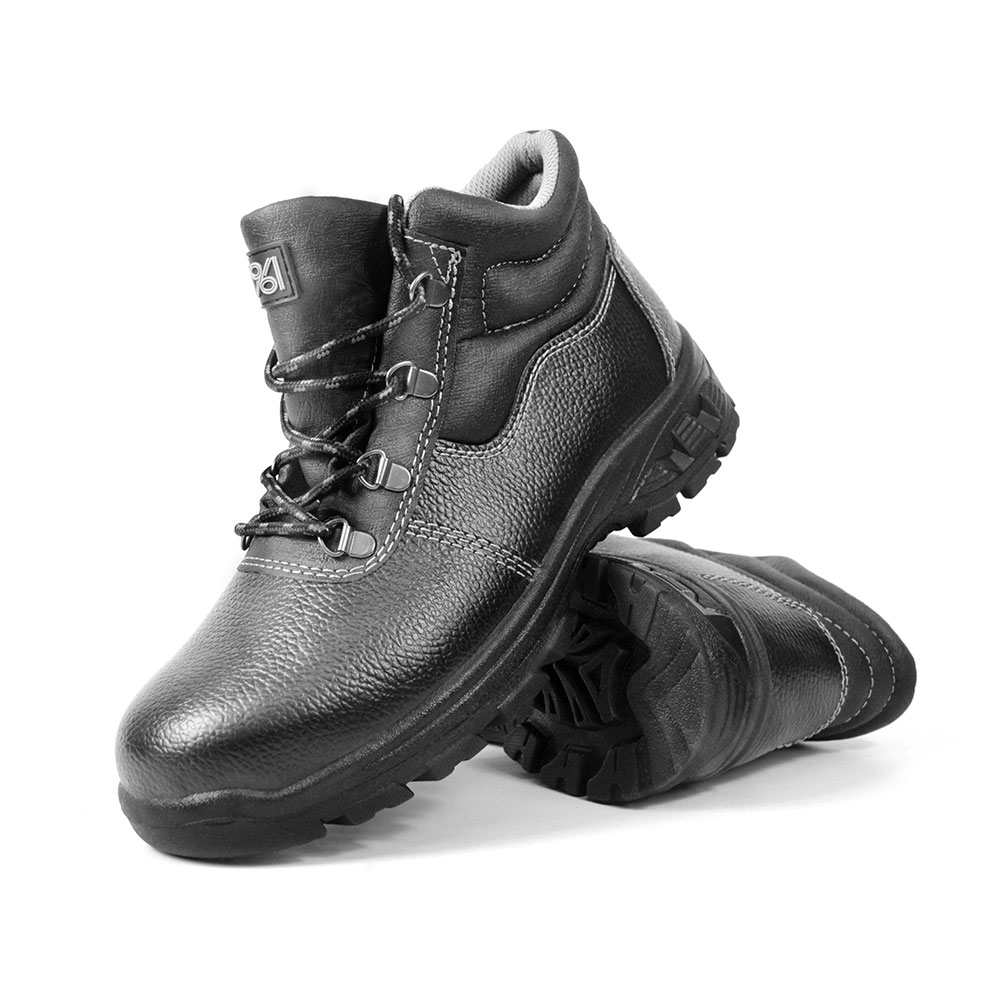
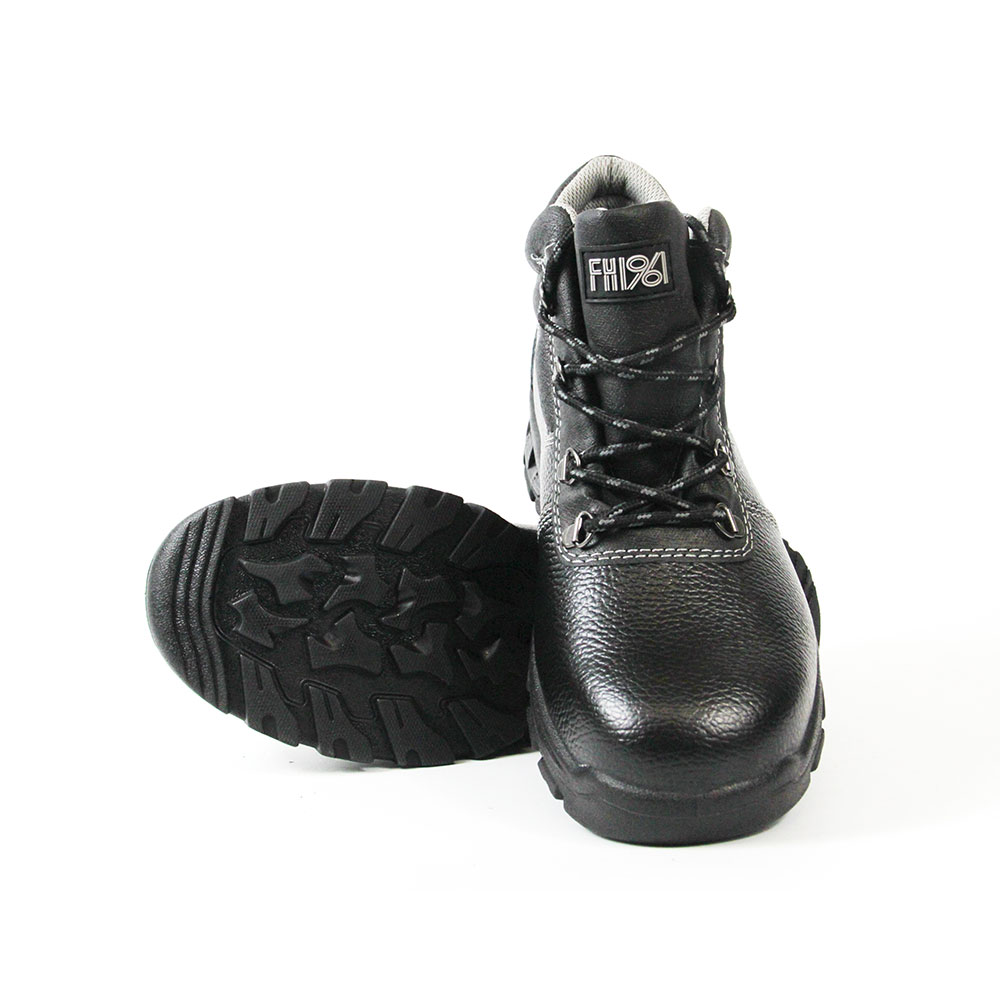
The AC1207 fills that middle ground. It uses a black embossed buffalo leather upper, steel toe protection and a dual-density polyurethane outsole. For distributors, the value is not a single laboratory phrase. The value is a practical product story that sales teams can explain to safety managers: it is a low-cut work shoe for sites where oil, light chemical exposure and repeated movement happen together.
Buyer Guide
How This Model Reduces Footwear Selection Risk
Impact and floor risk
OSHA requires protective footwear when employees face falling or rolling objects, sole puncture risks or electrical hazards after other controls are considered. On mixed industrial floors, toe impact and slip exposure often appear together. AC1207 keeps the steel toe as the standard protection point, while the outsole and upper are selected for daily factory use rather than fashion-only wear.
Chemical-adjacent use
CCOHS recommends selecting footwear according to the hazard, including corrosive or irritating substances, wet and oily surfaces, temperature and walking conditions. That is the correct way to position this product. It is suitable for light chemical-adjacent work and maintenance environments, while heavy immersion, strong solvents or continuous washdown should be reviewed separately with the buyer before ordering.
Material and sole logic
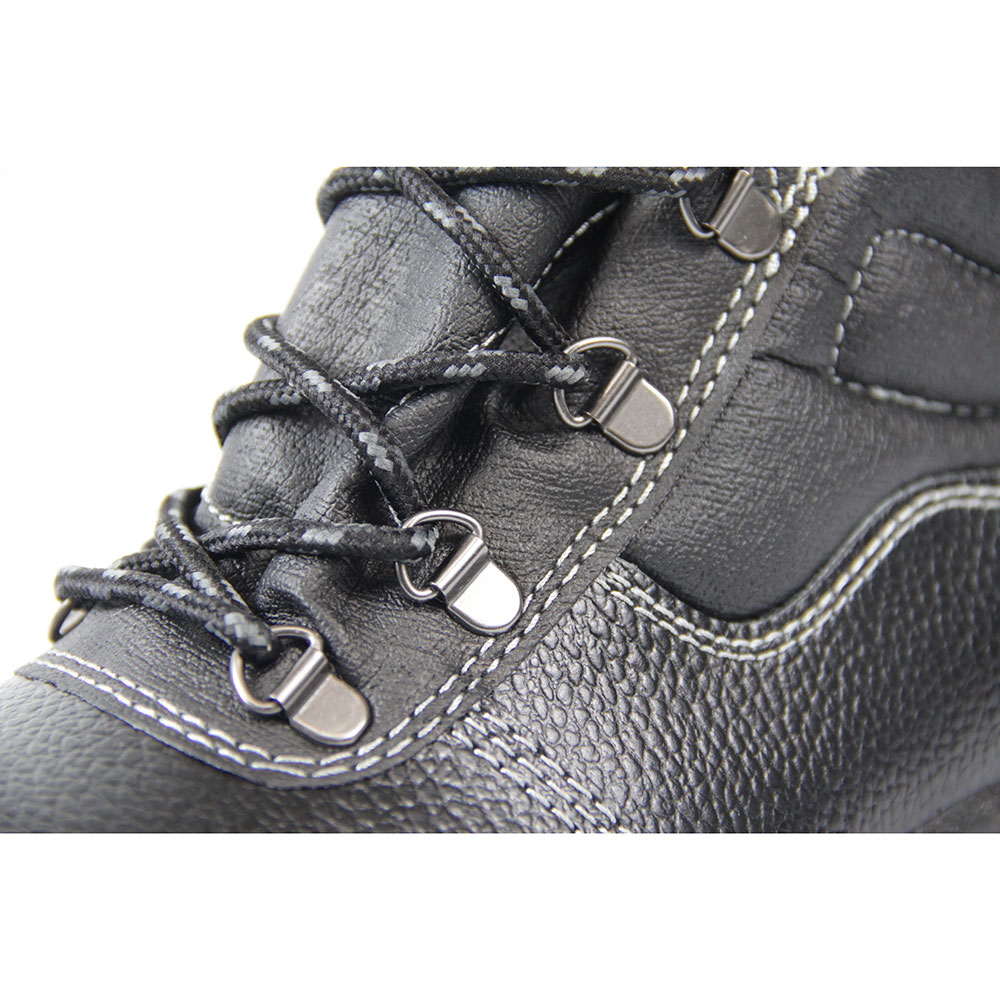
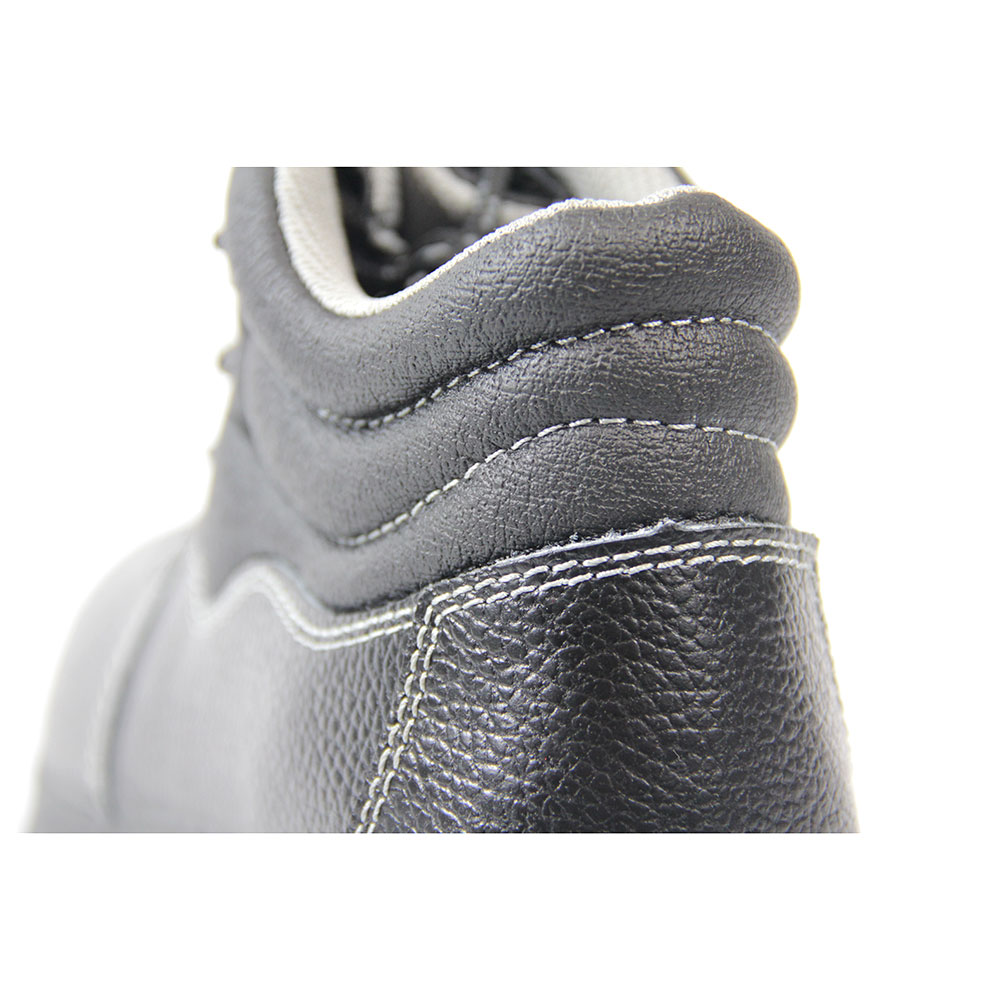
Buffalo leather gives the shoe a more durable upper story than thin synthetic materials. The embossed black surface helps hide routine scuffs and supports a professional factory appearance. For bulk buyers, this matters because a shoe that looks worn too quickly can create early replacement pressure even if the protective function remains acceptable.
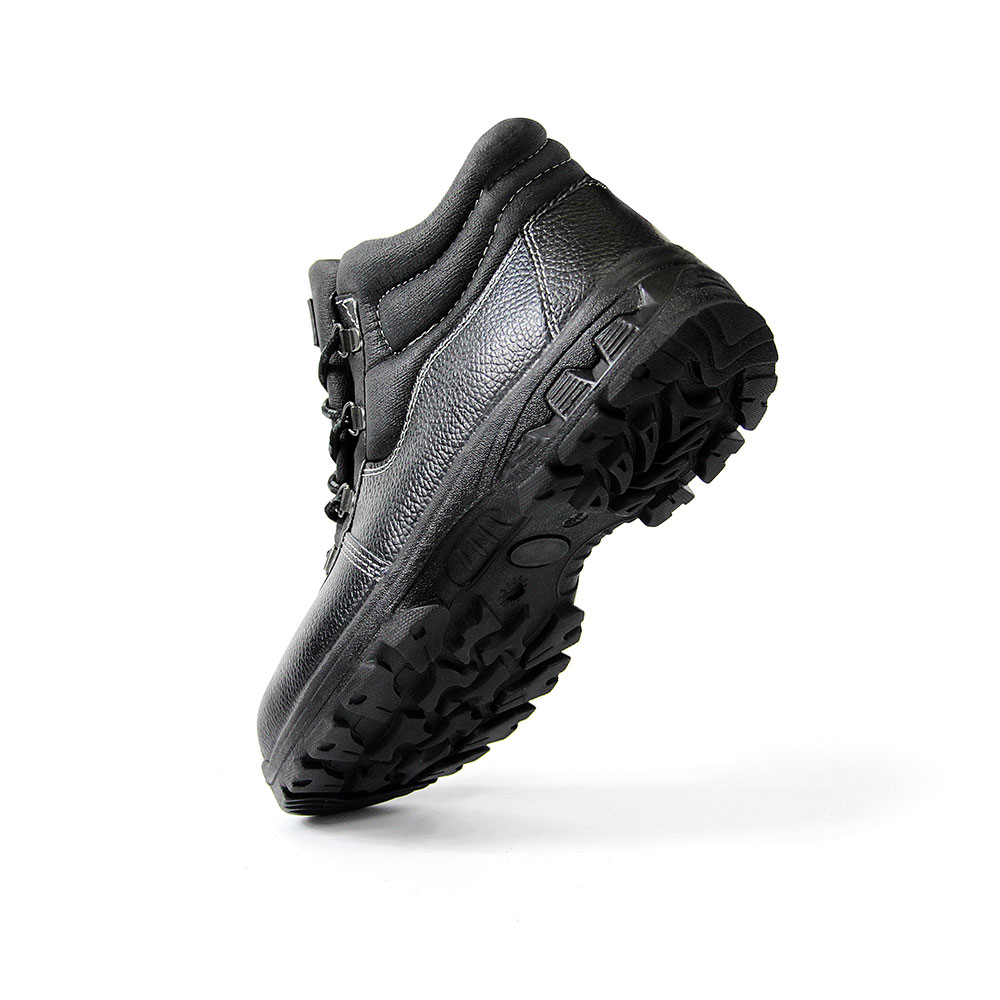
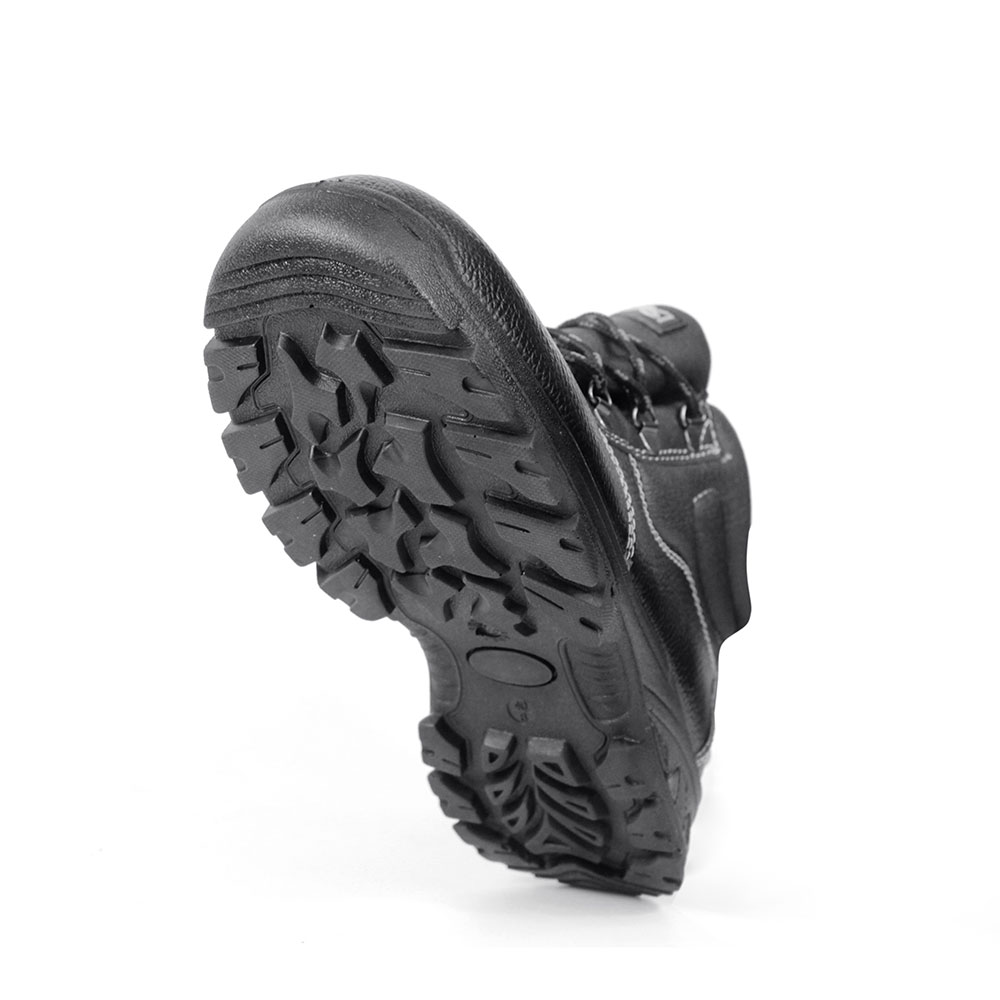
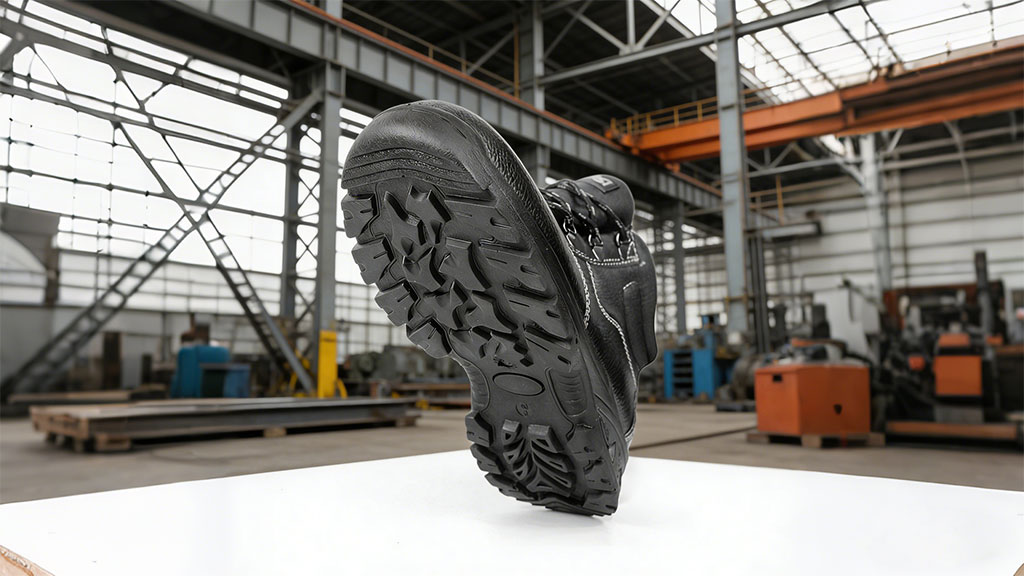
The PU/PU dual-density outsole is chosen for cushioning and everyday traction. A softer midsole layer can reduce the hard feeling of concrete floors, while the denser outside layer helps with wear resistance. This is why the model can work for assembly lines, spare-parts warehouses, transport docks, equipment maintenance and machine-adjacent inspection routes where workers walk, crouch and climb short steps many times per day.
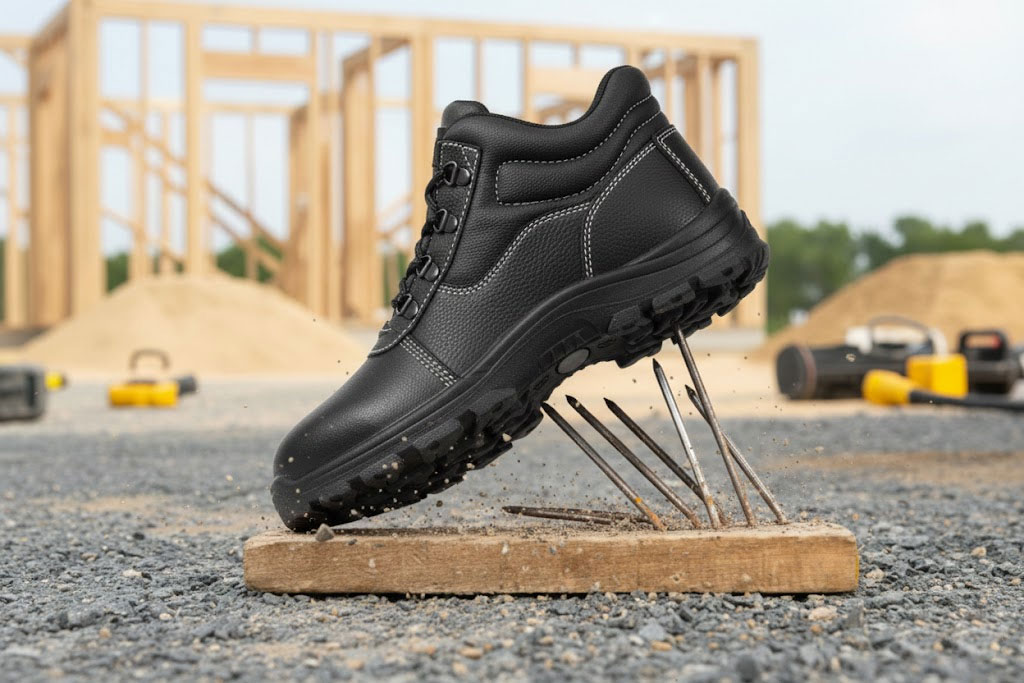
Steel toe protection remains the core safety feature. The product can also be discussed with optional puncture-resistant midsoles, antistatic performance or electrical insulation depending on the order program. Buyers should not select these options casually. The right choice depends on the hazard map, the local standard, floor contamination, and whether workers are exposed to nails, scrap metal, static discharge or low-voltage electrical work.
Procurement guidance for distributors
For importers and private-label buyers, the strongest use case is not simply an acid resistant label. The stronger story is a balanced shoe for light chemical and oil exposure where workers still need comfort, clear sizing and repeatable appearance. Before confirming bulk production, ask the end customer four questions: what liquids are present, how often the shoe is exposed, whether the floor is smooth or textured, and whether workers need puncture or electrical options. These answers decide whether AC1207 is the right model or whether a higher boot, rubber outsole or waterproof construction is safer.
Anchen can support OEM programs, carton labeling, logo placement and sample review through its safety footwear service process. For buyers who need proof before a seasonal order, review the company approach to testing and quality control so that the upper, outsole, toe cap and optional midsole can be confirmed before shipment.
Specification
Specification and Order Checklist
Sample Testing and Repeat Order Checks
Choose a sample size run that reflects the market you sell into, not only the size worn by the buyer who approves the sample. Low-cut industrial shoes need enough toe room for protective caps and socks. If the end customer uses thicker socks, orthotic inserts or long walking routes, confirm internal length and heel hold before placing a container order.
For a stable repeat-order program, keep one confirmed upper texture, one outsole color, one lace style and one carton label rule across the first order. Changing several details at once makes it harder to compare quality feedback from workers. After the first delivery, collect comments about heat, heel comfort, sole wear, liquid exposure and fit by department. That feedback helps decide whether the next order should keep AC1207 unchanged or add puncture resistance, antistatic properties or a different outsole compound.
FAQ
FAQ for AC1207 Buyers
Is this shoe the same as a rubber chemical boot?
No. AC1207 is a low-cut leather safety shoe for light chemical-adjacent and oily work areas. For continuous liquid immersion, strong corrosives or washdown environments, a dedicated boot construction should be reviewed.
Why use a steel toe on this type of shoe?
Steel toe protection helps when workers handle carts, pallets, small machinery, tools and parts bins. It is a familiar option for safety managers and easy for distributors to explain in product catalogs.
Where does the PU/PU outsole make the most sense?
It is best for hard industrial floors where walking comfort, flexibility and wear resistance are important. It suits dry to lightly contaminated factory routes, maintenance departments, warehouses and assembly areas.
Can this model be used for private-label catalogs?
Yes. The product name and hazard description should match the actual exposure level. Clear naming, honest use limits and correct testing notes protect both the brand and the worker.