Use Case
Oil Resistant Leather Shoes for Real Workplace Selection
Oil Resistant Leather Shoes for maintenance, workshop, logistics and industrial service teams, with buyer-focused guidance for light.
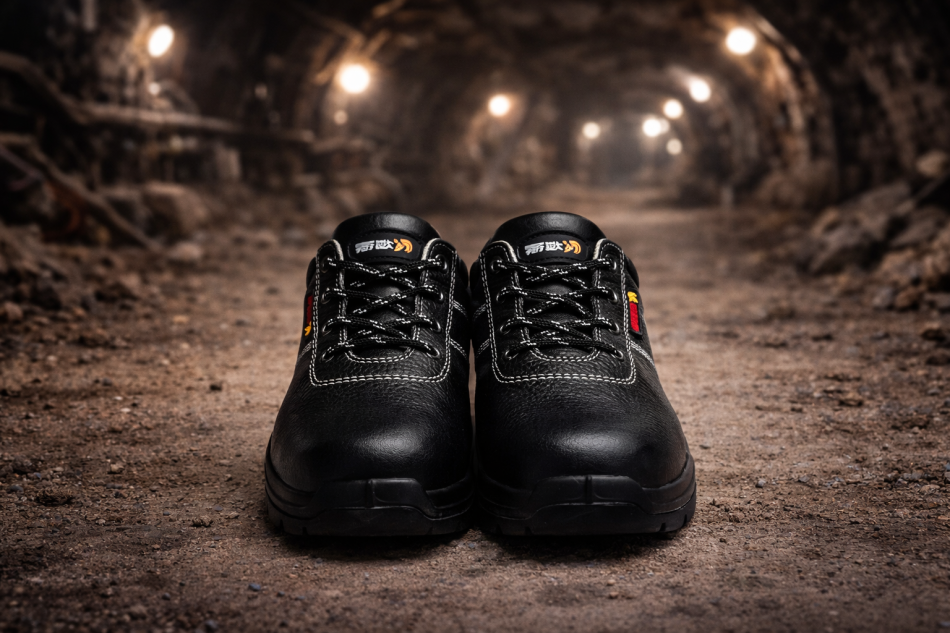
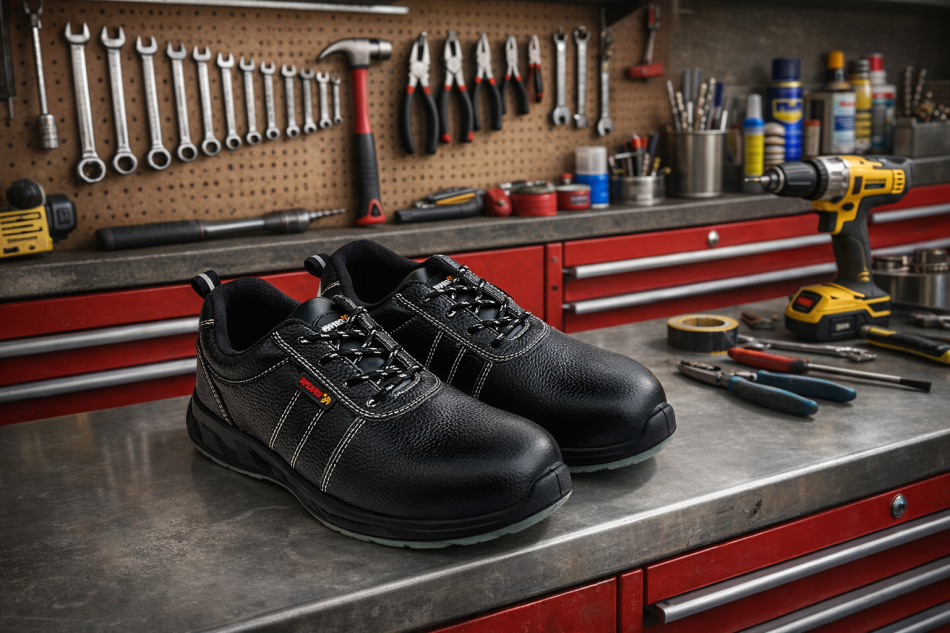
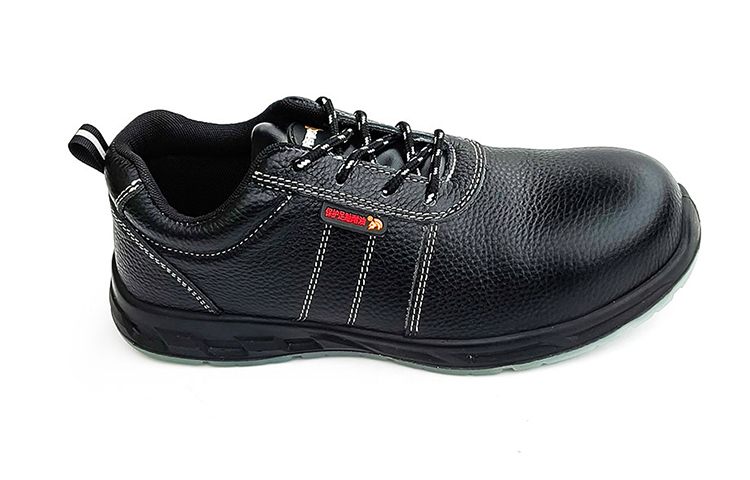
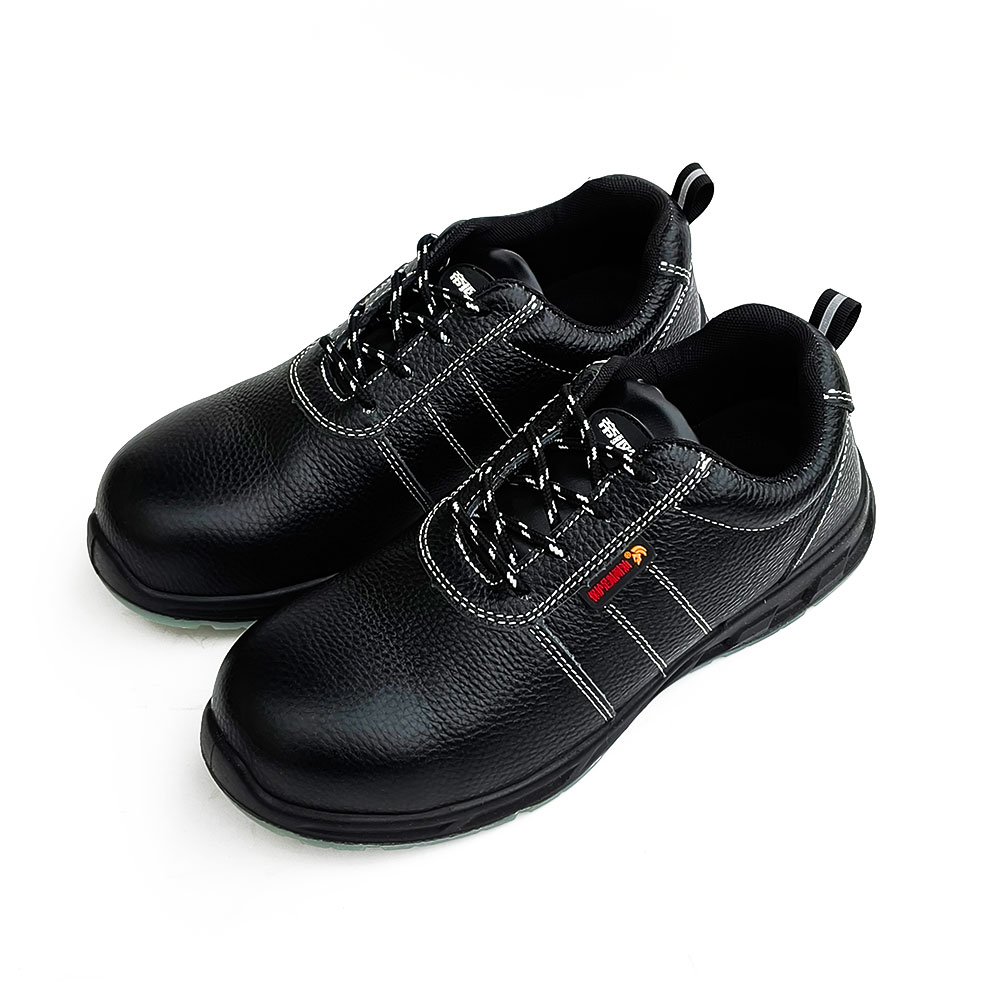
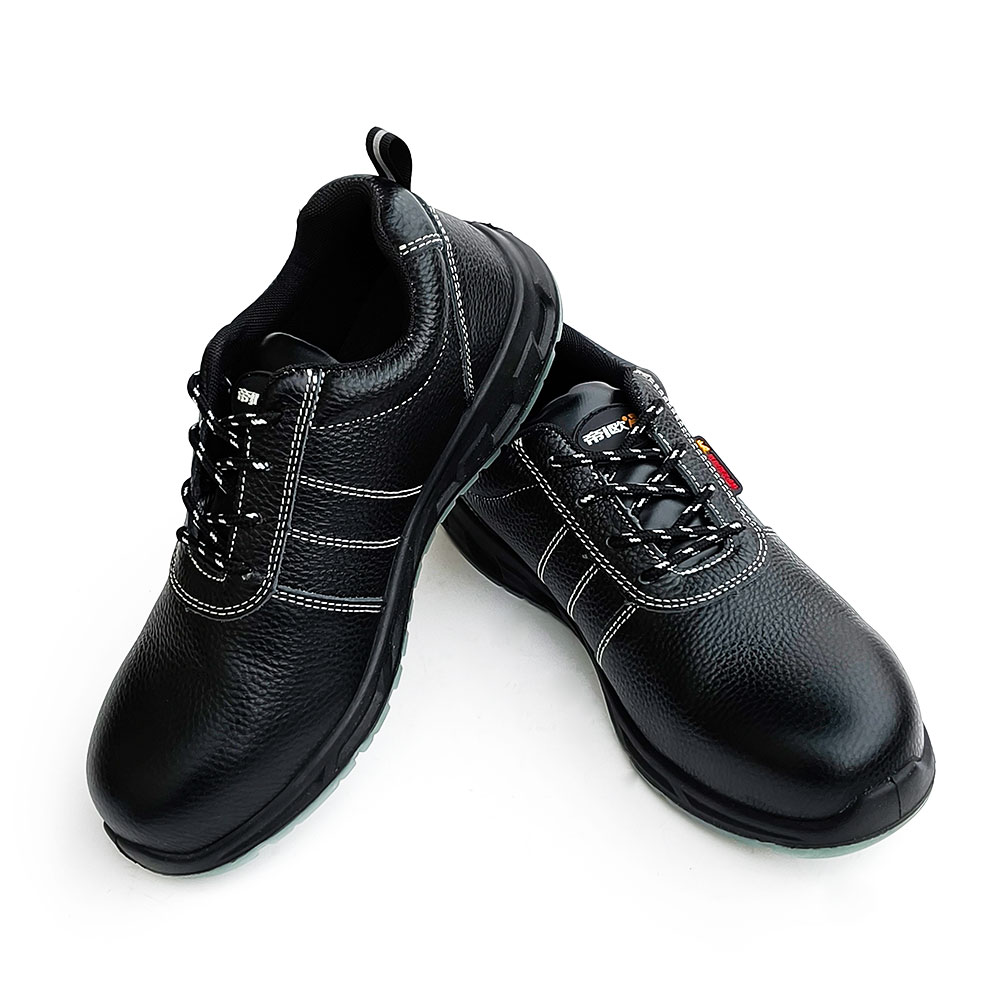
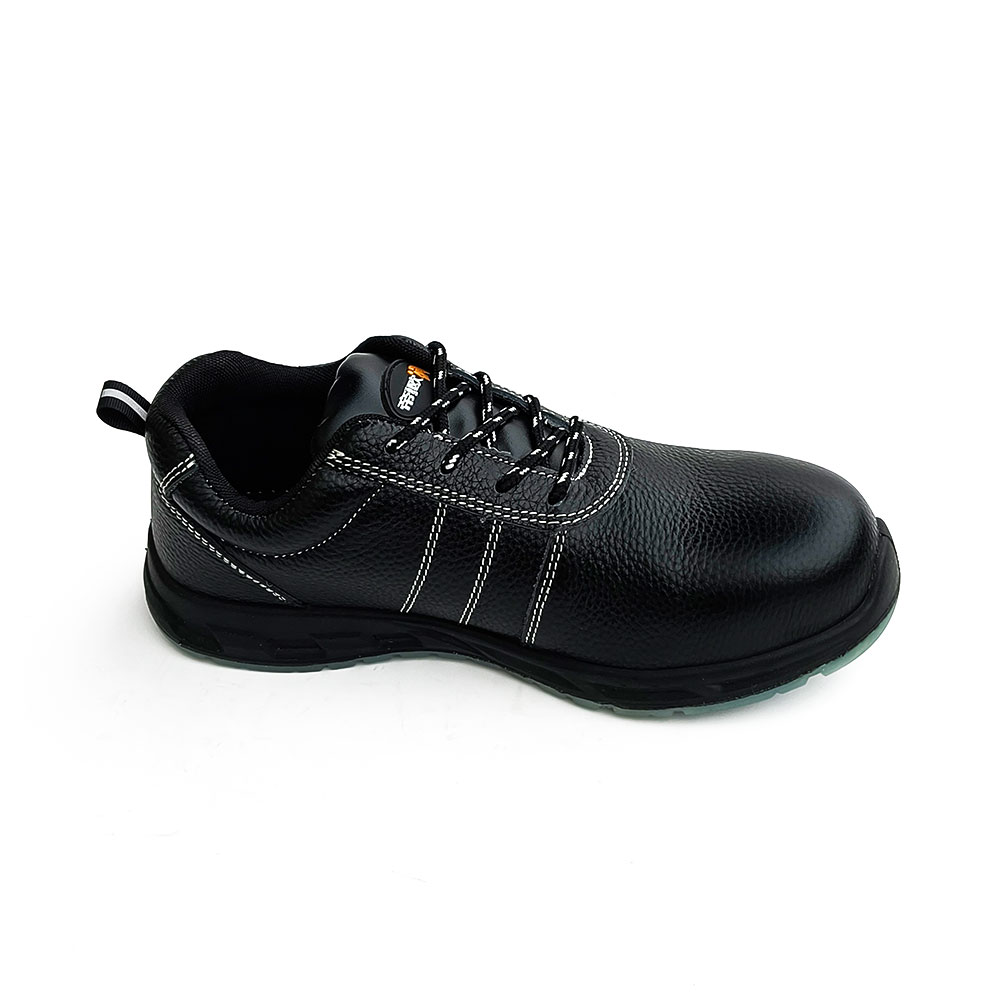
Oil Resistant Leather Shoes is best evaluated as black leather safety shoes for oily dry-factory routes. Buyers comparing this model should start with the route workers actually walk, the floor surface underfoot and the type of protection the department expects from one pair of shoes. A product page should not force a buyer to guess whether a model belongs in a warehouse, a workshop or a wet-service area.
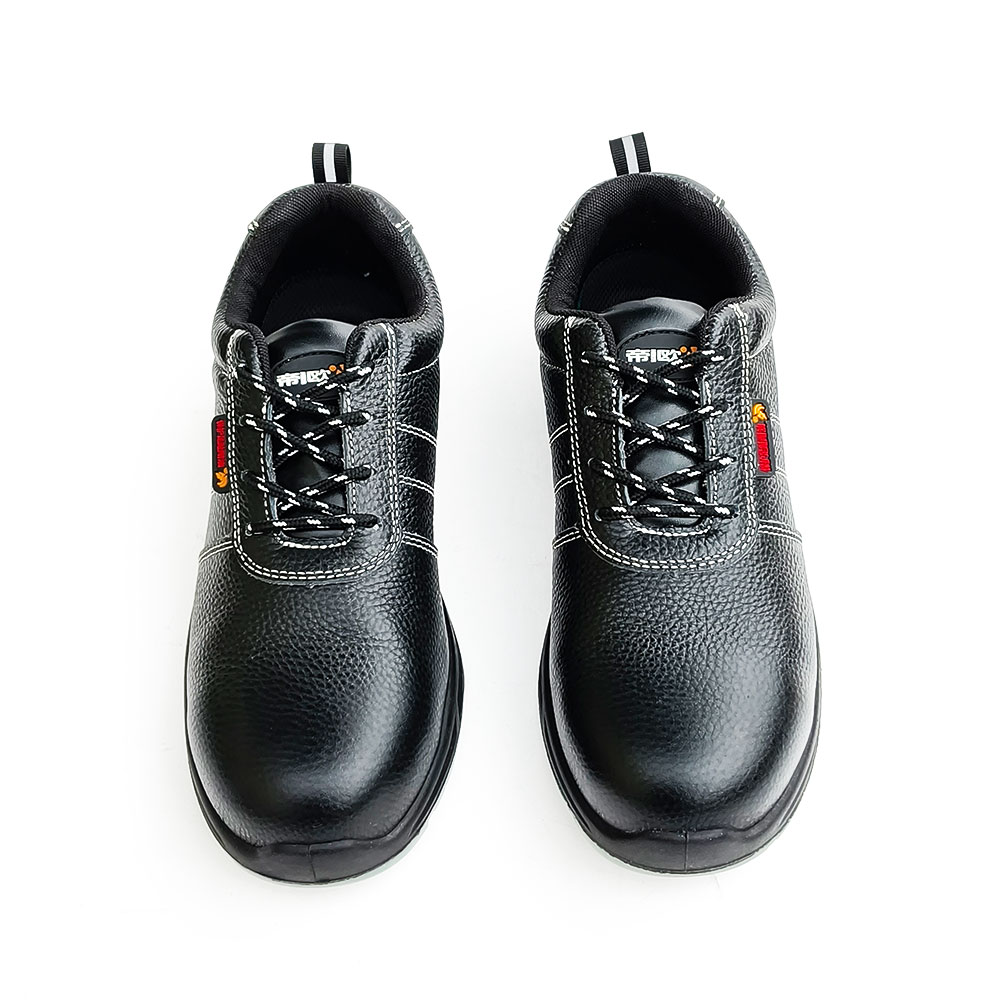
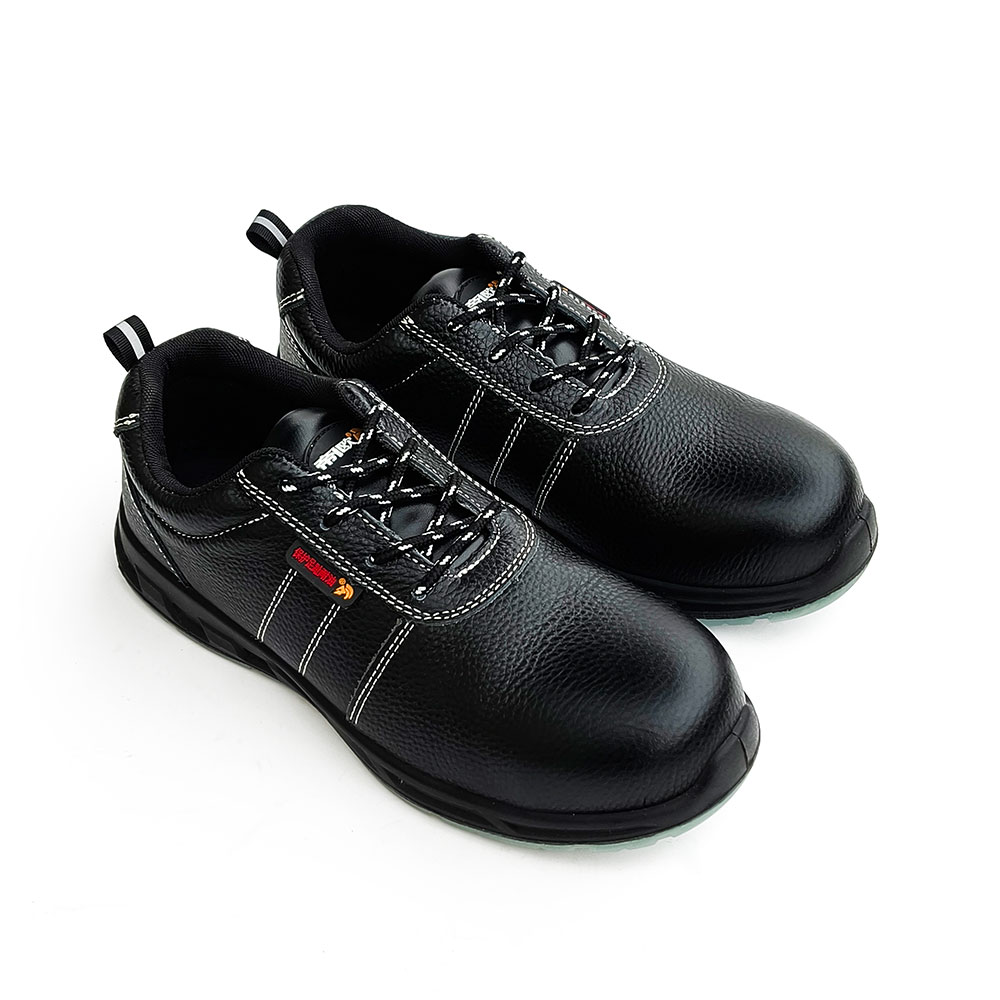
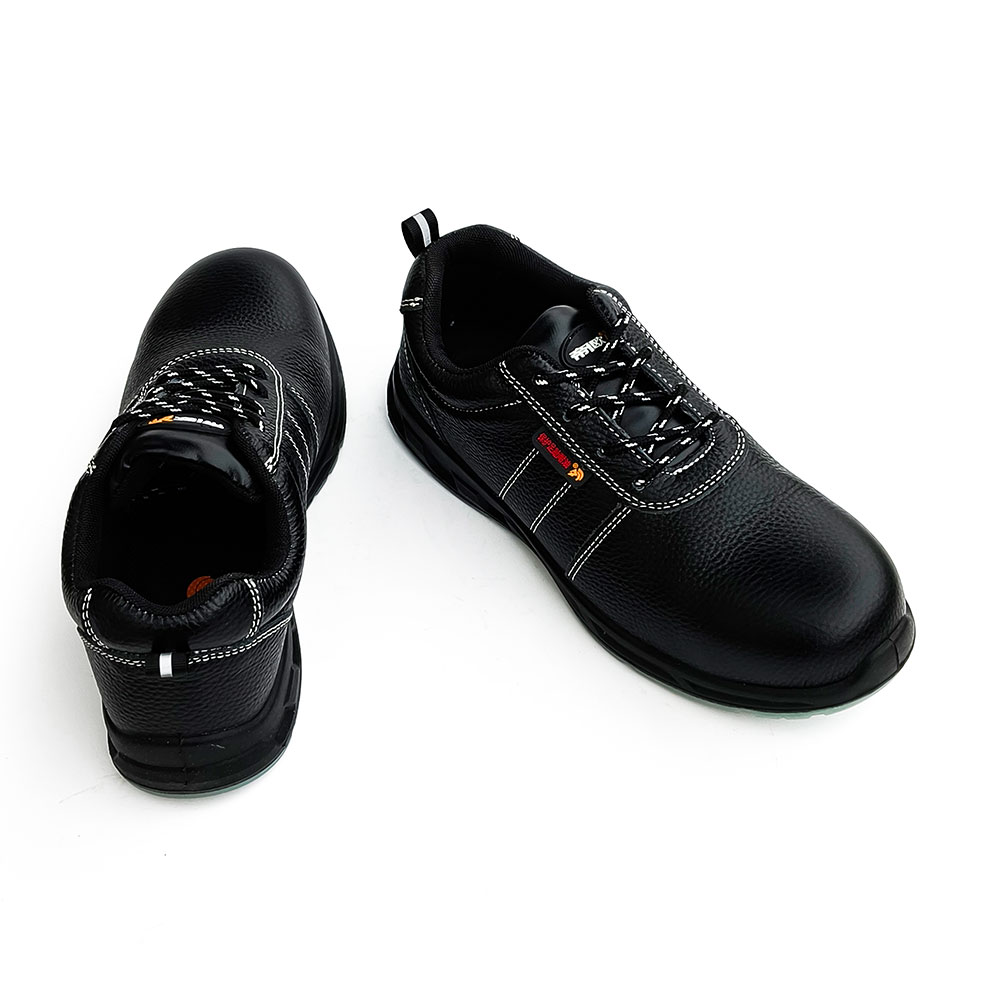
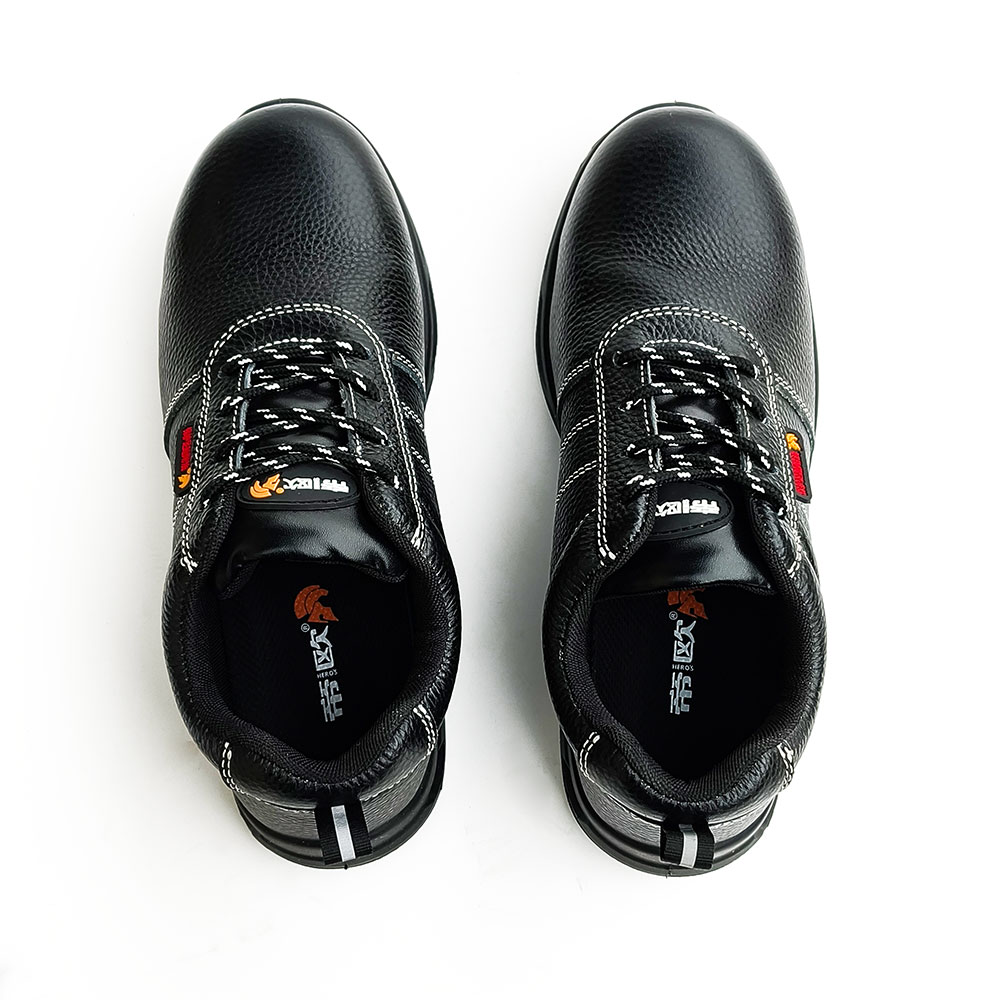
The practical fit is maintenance, workshop, logistics and industrial service teams. In those settings, the main concern is light oil marks, acid-adjacent floors, toe impact and cleaning expectations. This model uses black leather upper with steel toe and PU/PU dual-density sole, so the purchasing discussion should connect the visible materials with comfort, cleaning, impact protection and repeat supply requirements.
For distributors, the model can help build a clearer catalog line because it has a specific material story and a defined workplace match. For safety managers, the value is easier internal communication: the shoe is not simply another safety shoe, but a model that can be checked against floor condition, shift length, toe protection needs and worker acceptance.
Before sample approval, ask workers to walk the normal route, bend at the job station and report pressure around the toe, instep and heel. That simple field test often reveals more than a desk review. It also helps the buyer decide whether the shoe should become a standard issue model, a seasonal option or a targeted department model.
Buyer Guide
Buyer Guide for Oil Resistant Leather Shoes
Oil and wet-floor control for leather shoes
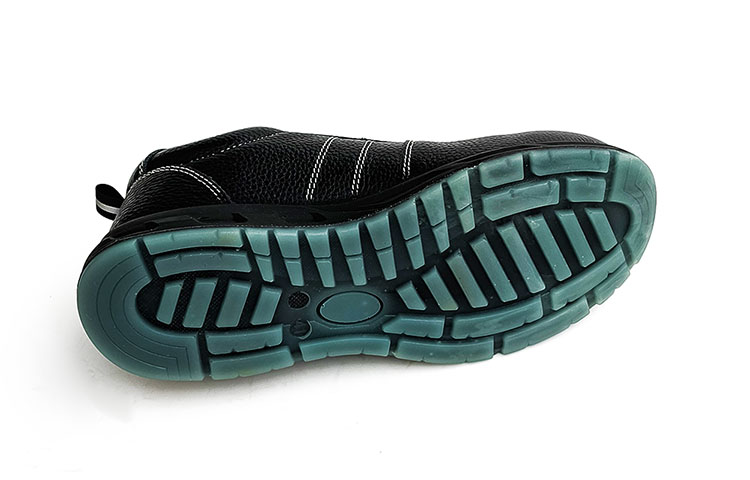
Oil resistant leather shoes should be selected when the buyer expects machine-side work, service bays, metal processing areas or industrial floors where light oil film appears during the shift. The upper needs to resist everyday abrasion, but the outsole story is just as important. Ask workers to test short steps, turning movements and braking with a loaded cart, because slips often happen during direction changes rather than straight walking.
Sample review method
Sample review should include a cleaning question: can the outsole tread release oily dust and chips with normal brushing, or does residue stay packed inside the grooves? A shoe that looks good in new photos may lose grip if the pattern traps sludge. Buyers should also confirm whether the leather finish matches their climate; humid workshops may need more attention to drying and storage between shifts.
This model is a strong fit for distributors serving maintenance, fabrication, garage, tool-room and equipment-service customers who need a conservative leather safety shoe with practical outsole resistance.
For related capability checks, review Anchen safety footwear resources and compare ordering support through Anchen product and service information.
Specification
Specification and Sample Review
Product role
Oil Resistant Leather Shoes is positioned for maintenance, workshop, logistics and industrial service teams. The main buying question is how well the upper, toe protection and outsole match light oil marks, acid-adjacent floors, toe impact and cleaning expectations.
Material focus
black leather upper with steel toe and PU/PU dual-density sole. During approval, confirm the supplied material, toe-cap choice, outsole compound and size run before bulk production.
Oil and wet-floor control for leather shoes
- Wipe oily residue from outsole grooves after a short trial.
- Check leather surface after bending near the vamp.
- Confirm grip during turning with a loaded cart.
Ask workers to wear the sample during normal tasks rather than only trying it on at a desk. Useful feedback includes heat, heel movement, toe pressure, outsole confidence, cleaning effort and visible wear after the first trial period.
FAQ
FAQ for Oil Resistant Leather Shoes Buyers
Who should consider this model?
It is best for buyers serving maintenance, workshop, logistics and industrial service teams. The style is most useful when the workplace risk includes light oil marks, acid-adjacent floors, toe impact and cleaning expectations.
What should be checked before a bulk order?
Confirm the toe protection requirement, outsole exposure, upper cleaning routine, worker feedback and carton labeling. A short workplace trial gives stronger evidence than a showroom inspection alone.
Can this model support OEM or distributor programs?
Yes. Anchen can discuss size runs, logo placement, packaging and sample confirmation for distributors or brand owners that need a repeatable safety footwear program.