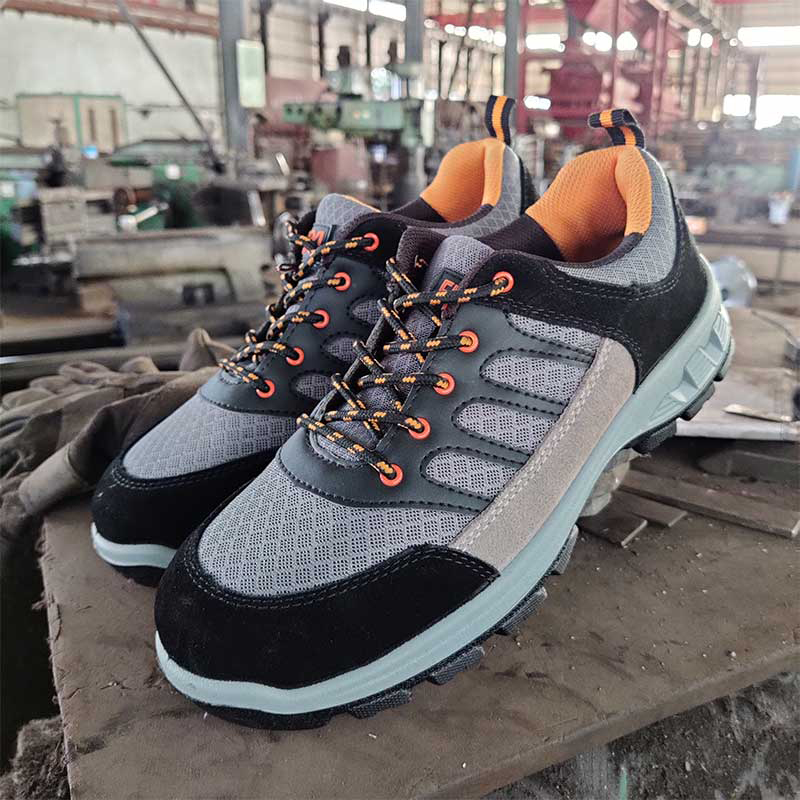
Working around electricity—whether you're an electrician, maintenance tech, lineman, welder near live circuits, or anyone in industrial settings—means one wrong step on a live wire or energized surface could send current through your body. That's where insulated safety shoes (most commonly called EH-rated boots or electrical hazard footwear in the U.S.) come in. These aren't magic insulators that make you invincible, but they provide a critical secondary layer of protection against accidental contact with live electrical parts up to about 600 volts in dry conditions.
Here's a straightforward, practical guide to picking the right pair, based on real OSHA requirements, ASTM standards, and what actually works on American job sites.
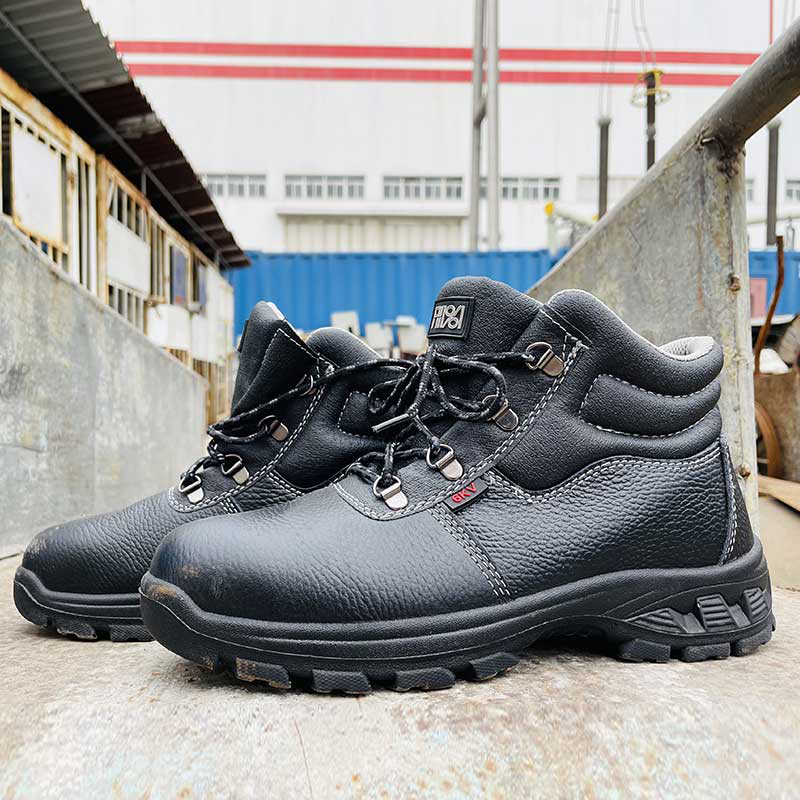
Electricity doesn't care about your experience level. A single shock can cause burns, falls, heart issues, or worse. OSHA (29 CFR 1910.136) requires foot protection when there's a risk of electrical hazards, falling objects, punctures, or rolling equipment. EH-rated boots help reduce the chance of current flowing from the ground through your feet when you accidentally step on or near a live circuit.
Important note: These are secondary protection only. They don't replace lockout/tagout, insulated tools, gloves, mats, or proper de-energizing procedures. They're your last line of defense—not your first.
In the U.S., look for footwear that meets ASTM F2413 (the current version is often ASTM F2413-18 or the updated ASTM F2413-24). This is the OSHA-accepted standard for protective footwear.
The label inside the tongue or on the boot will show something like:
ASTM F2413-24 M I/75 C/75 EH PR
Break it down:
The EH rating specifically means the boot's sole and heel are non-conductive and tested to withstand 18,000 volts at 60 Hz for 1 minute with no current leakage over 1.0 milliamp under dry conditions. This provides shock resistance in typical dry workplaces.
EH vs. True Dielectric Boots Don't confuse standard EH boots with full dielectric footwear (ASTM F1117 or Class 0–4 rubber insulating boots). Dielectric boots offer higher-voltage protection (up to thousands of volts) and are designed for wet conditions or step/touch potential hazards (like utility work near downed lines). Most everyday electricians and industrial workers use EH-rated leather or composite boots—not full rubber dielectric overshoes—unless the job specifically requires higher insulation levels.
When shopping, check these boxes:
Choosing insulated safety shoes boils down to finding ASTM F2413-compliant boots with a clear EH rating, plus the toe, puncture, and slip resistance your job demands. Get the right fit, keep them in good shape, and pair them with proper electrical safety practices. Your feet (and the rest of you) will stay safer on every shift.
Stay safe out there—electricity doesn't give second chances. Time to check your current boots? Head to a trusted supplier and look for that EH mark. Your next step could depend on it.