Construction sites are among the most hazardous work environments. Workers deal with heavy equipment, falling objects, uneven surfaces, and slippery conditions every day.
Without proper footwear, the risk of injury increases significantly. That’s why safety shoes are a critical part of personal protective equipment (PPE) for construction workers.
The right pair of construction safety shoes helps protect against impact, improves stability, and keeps workers comfortable during long shifts.
Not all work shoes are suitable for construction environments. The best safety shoes should provide strong protection, durability, and support.
Toe protection is one of the most important features.
Choosing the right toe type depends on your specific job requirements.
Construction sites often involve wet surfaces, loose gravel, mud, and dust.
Shoes with slip-resistant outsoles provide better traction and reduce the risk of falls. Look for deep tread patterns and durable rubber or PU soles designed for rough terrain.
Uneven ground and heavy lifting can increase the risk of ankle injuries.
Safety shoes with mid-cut or high-cut designs provide additional ankle support, helping to improve balance and reduce strain.
Construction work is hard on footwear. High-quality safety shoes should use:
This ensures the shoes can withstand daily wear and tear on job sites.
Construction workers often work 8–12 hours a day. Comfort is just as important as protection.
Look for features such as:
These help reduce fatigue and improve overall performance.
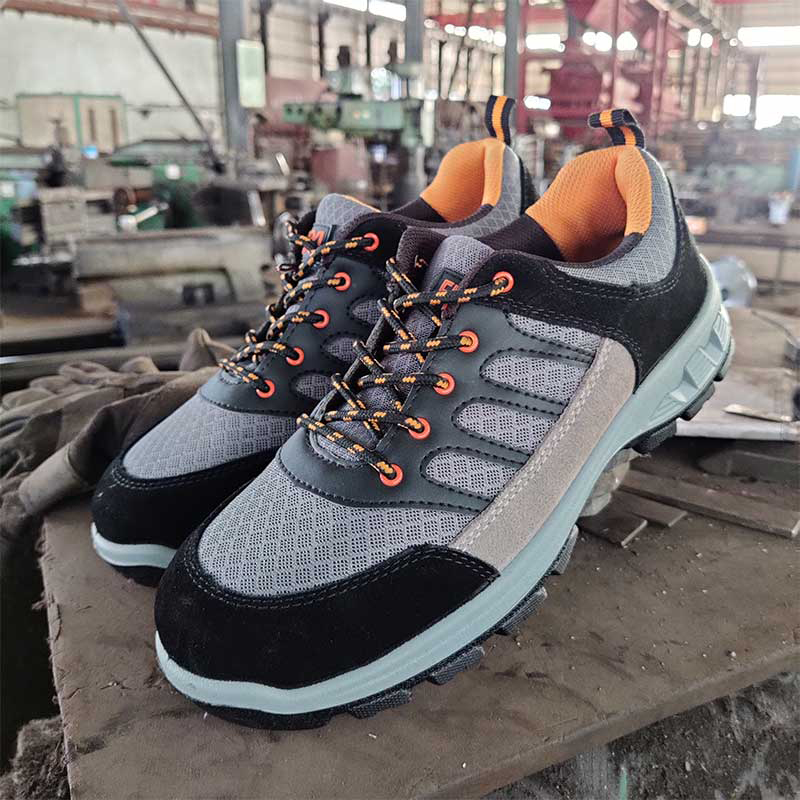
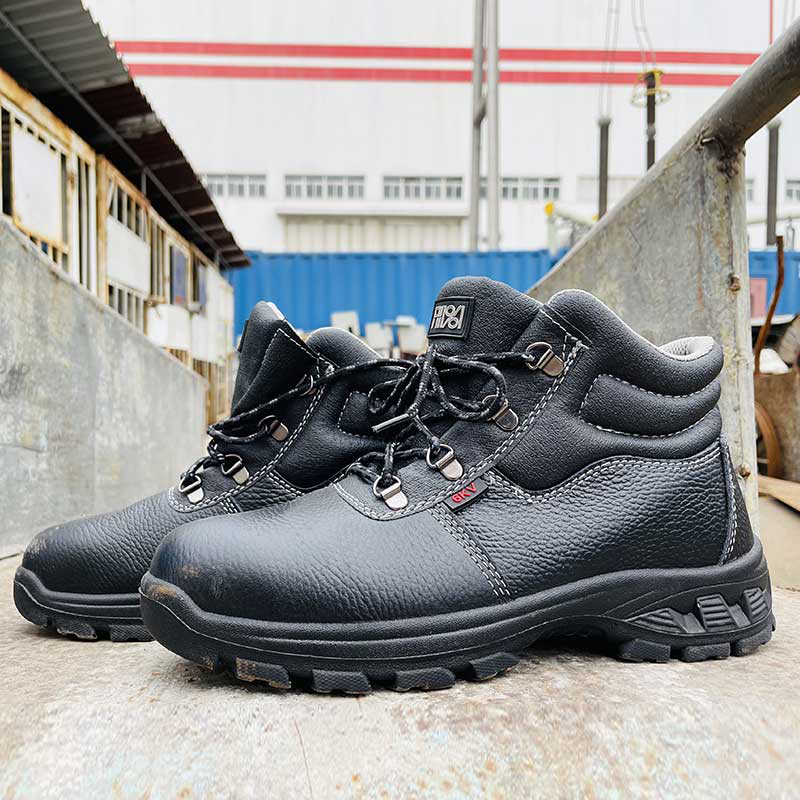
Different job roles may require different types of footwear:
Best for heavy-duty construction environments with high impact risks.
Ideal for workers who need lighter footwear and electrical hazard protection.
Essential for wet or uneven surfaces.
Provide extra ankle support for demanding tasks and rough terrain.
Many workers make the mistake of choosing shoes based only on price or appearance. This can lead to discomfort or even injuries.
Avoid these mistakes:
Investing in the right safety shoes can make a significant difference in both safety and productivity.
Wearing the right construction safety shoes can:
For construction workers, proper footwear is not just equipment—it’s a daily necessity.
Construction sites demand footwear that offers strong protection, reliable grip, and proper ankle support. The best safety shoes combine durability, comfort, and safety features designed for harsh environments.
When choosing safety shoes for construction work, focus on performance and protection. The right pair will help you stay safe, comfortable, and productive on the job.
Previous: How to Choose Insulated Safety Shoes?